
Search

When Katrina took her daughter Tenaya to the local emergency department for the fourth time, she was determined she wouldn’t be leaving without answers.
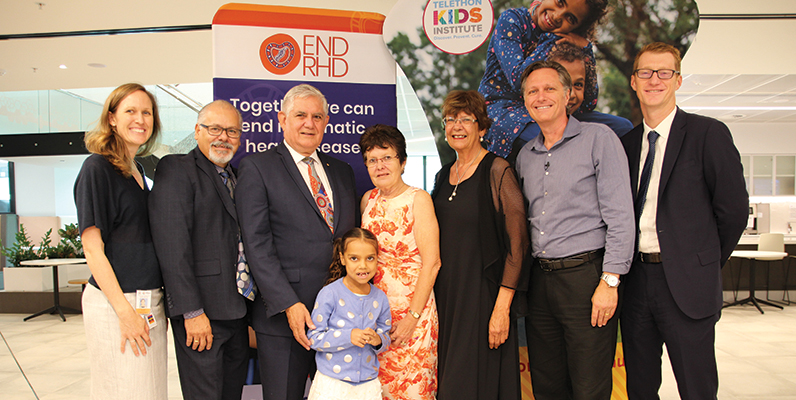
It's been a huge year for those working to eliminate rheumatic heart disease (RHD), with breakthroughs including $35M in funding to develop a Strep A vaccine.
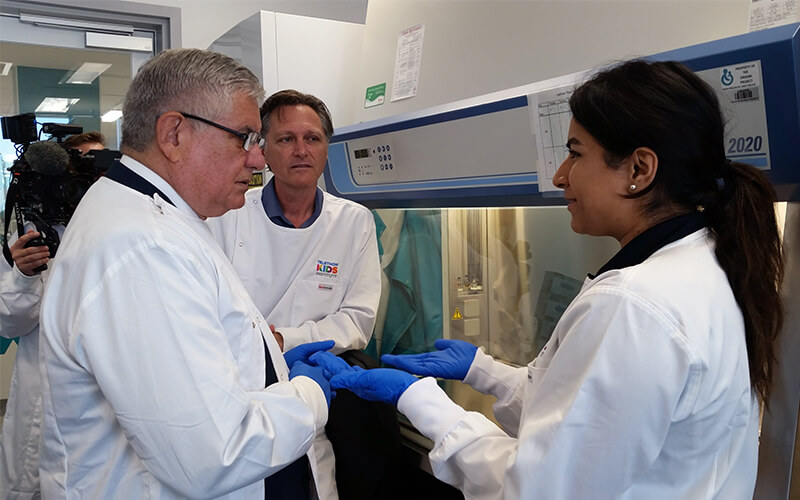
A vaccine to prevent rheumatic heart disease (RHD) and other life-threatening conditions caused by the common Strep A bacteria is a step closer thanks to funding announced by Minister for Indigenous Health, Hon Ken Wyatt AM, MP, in Perth today.

The Kimberley has the highest rates of rheumatic heart disease (RHD) in Western Australia – but through the establishment of a new community-led, research-backed project known as END RHD Communities, there’s hope this will change.
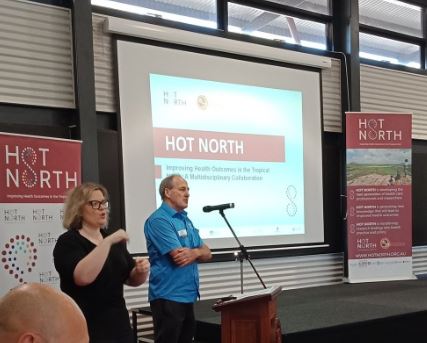
Over 100 researchers and health professionals from around Australia have united in Broome this week to address the major health battles facing people living in the tropical north of the country.

When health organisations in the north-west of WA requested urgent action to address the region’s high rate of skin infections, Dr Asha Bowen answered the call.

Leading paediatrician, infectious diseases specialist and Executive Director of The Kids Research Institute Australia, Professor Jonathan Carapetis, has been recognised for his significant contribution towards medical research with the award of Member of the Order of Australia (AM).
The World Health Organisation resolution for global action to tackle rheumatic heart disease (RHD) will have significant implications for Australia, which has some of the highest rates of the disease in the world.
Indigenous children in colonised nations experience high rates of health disparities linked to historical trauma resulting from displacement and dispossession, as well as ongoing systemic racism. Skin infections and their complications are one such health inequity, with the highest global burden described in remote-living Australian Aboriginal and/or Torres Strait Islander (hereafter respectfully referred to as Aboriginal) children. Yet despite increasing urbanisation, little is known about the skin infection burden for urban-living Aboriginal children.
Since 1955, the recommended strategy for rheumatic heart disease secondary prophylaxis has been benzathine penicillin G injections administered intramuscularly every 4 weeks. Due to dosing frequency, pain, and programmatic challenges, adherence is suboptimal. It has previously been demonstrated that BPG delivered subcutaneously at a standard dose is safe and tolerable and has favorable pharmacokinetics, setting the scene for improved regimens with less frequent administration.