
Search
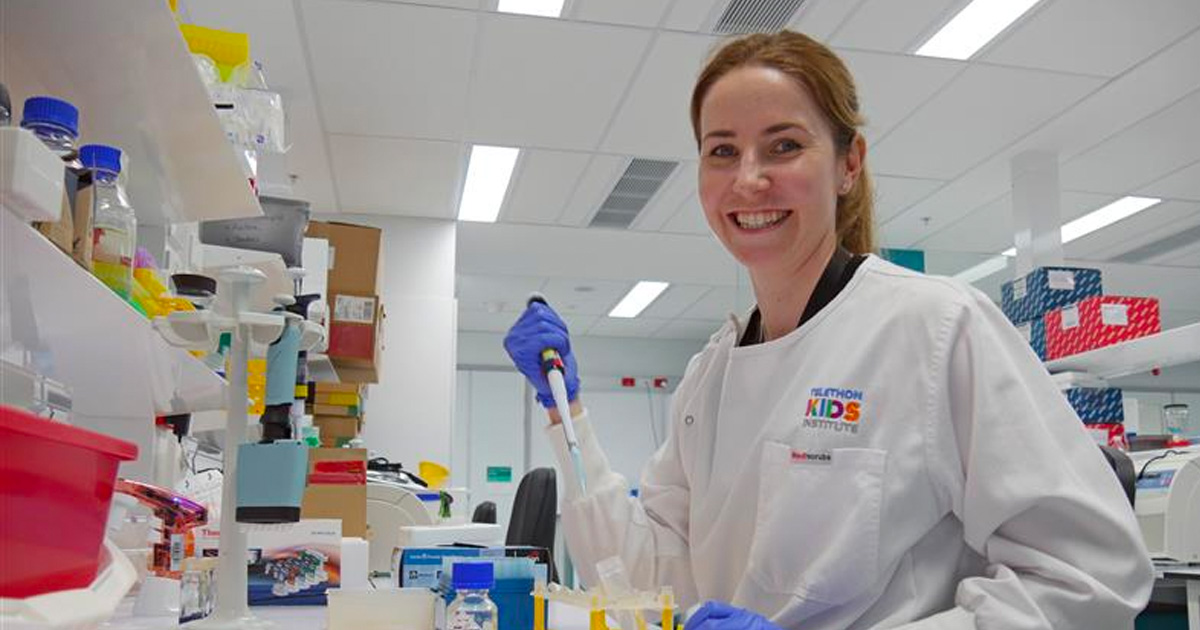
WA researchers hope to gain new insights into the way immune cells in the body trigger attacks of multiple sclerosis (MS), thanks to new funding from MS Australia.

Two The Kids Research Institute Australia researchers have been awarded prestigious grants from the Raine Medical Research Foundation for projects in childhood cancer and newborn infection control.
Previous research has shown that immune development during the first week of life, i.e. ontogeny, is progressive, consistent and robust, involving large numbers of differentially expressed genes at each sampled time point.
Encephalitis is inflammation of the brain parenchyma with heterogenous aetiology and presentation. In children, it often leads to short-term residual neurological deficits, however clinical predictors of adverse long-term outcome are not fully understood.
PICOBOO is a randomised, adaptive trial evaluating the immunogenicity and reactogenicity of licensed COVID-19 booster vaccines in immunocompetent individuals >12 years old. Here, we present data for seven different vaccines among three pre-specified participant strata defined by age and primary vaccine schedule.
Australia introduced a hybrid Respiratory Syncytial Virus (RSV) Maternal and Infant Protection Program (RSV-MIPP) in 2025, using National Immunisation Program-funded RSV vaccine for pregnant people from 28 weeks' gestation and jurisdiction-funded nirsevimab. We estimated real-world effectiveness and assessed the impact of the RSV-MIPP program across a participating surveillance network.
Protection of newborns from infection can be achieved through maternal or vaccine-induced antibodies, but the factors influencing vaccine protection (correlate of protection) and subsequent infant immunity remain insufficiently understood. Further investigation is essential to optimize early-life vaccination strategies.
Enteroviruses (EVs) have long been implicated in the development of islet autoimmunity (IA) and type 1 diabetes. However, given the ubiquity of EV infections in children, disease susceptibility is likely driven by host-specific immune responses rather than viral exposure alone.
A range of microbiota species correlate with improved cancer outcomes in patients and confer protection in pre-clinical mouse models. Here, we examined how microbiota regulate CD8+ T cell immunity against melanoma. Spontaneous control of cutaneous melanoma in mice correlated with metabolic pathways required for microbial synthesis of short-chain fatty acids (SCFAs) shared between several microbiota species.
Allergic sensitization and reduced ability to respond to viral infections may contribute to virus-induced wheeze and asthma development in young children. Plasmacytoid dendritic cells (pDC) are rare immune cells that produce type I interferons (IFN-I) and play a key role in orchestrating immune responses against viruses.