
Search
General movements (GMs) are part of the spontaneous movement repertoire and are present from early fetal life onwards up to age five months. GMs are connected to infants' neurological development and can be qualitatively assessed via the General Movement Assessment. In particular, between the age of three to five months, typically developing infants produce fidgety movements and their absence provides strong evidence for the presence of cerebral palsy.
This study aimed to (i) develop a decision tree to guide clinicians to use a core outcome set (COS) of chronic pain assessment tools specific to children and young people with cerebral palsy and (ii) pilot test the implementation of the decision tree and core set in clinical practice.
Early detection of cerebral palsy (CP) risk is possible from 12 weeks corrected gestational age (CGA) using standardised assessments; however, up to half of children at risk are not referred early, missing out on early intervention. We investigated the barriers and facilitators to accessing early intervention from the perspective of parents of children who did not receive services by 6 months CGA.
Respiratory disease is a leading cause of hospitalisations in children with cerebral palsy (CP). Over 40% of individuals with CP are born preterm; however, the relationship between prematurity, CP and respiratory disease is unknown.
We know from research that the risk of death from respiratory disease is 14 times higher for adults with cerebral palsy than for other adults. Respiratory disease is the most common cause of premature death in children and young people with cerebral palsy and one of the main causes of hospitalisation.
Children with cerebral palsy face challenges in maintaining oral hygiene; data on their oral health practices and outcomes are limited.
To test the efficacy of Hand Arm Bimanual Intensive Therapy Including Lower Extremity (HABIT-ILE) to improve gross motor function, manual ability, goal performance, walking endurance, mobility, and self-care for children with bilateral cerebral palsy.
Aim: To: (1) develop a core outcome set (COS) to assess chronic pain interference and impact on emotional functioning for children and young people with cerebral palsy (CP) with varying communication, cognitive, and functional abilities; (2) categorize the assessment tools according to reporting method or observer-reported outcome measures; and (3) categorize the content of tools in the COS according to the International Classification of Functioning, Disability and Health (ICF).
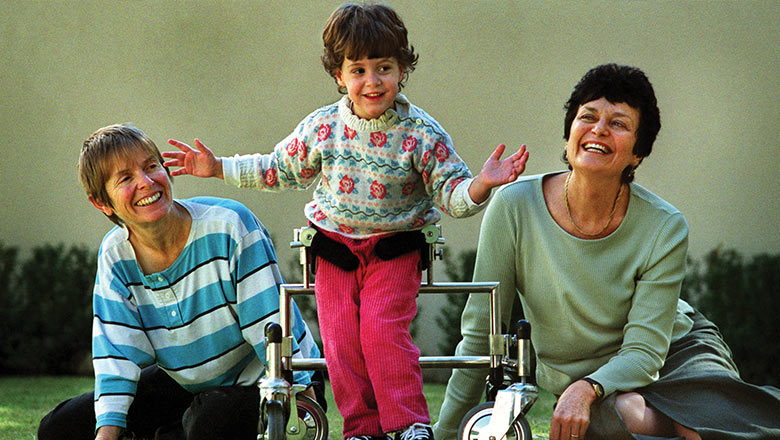
Cerebral palsy is not only the result of birth trauma and the lack of oxygen supply during delivery.
This paper is a timely reminder that we must recognise infants at high risk of cerebral palsy earlier using evidence-based assessments.