
Search
Investigators: Nicole Burger Assisted reproductive technologies have been associated with adverse perinatal outcomes, however subfertile women who
Amy Jenny Susan Desiree Keerthi Finlay-Jones Downs Prescott Silva Kottampally BPsych(Hons), MPsych(Clinical), MHealthEcon, PhD (Clin Psych) BApplSci
Debbie Susan Palmer Prescott BSc BND PhD MBBS BMedSci PhD FRACP Head, Nutrition in Early Life Honorary Research Fellow debbie.palmer@uwa.edu.au
Desiree Silva MBBS, FRACP, MPH, PhD Co-Director, ORIGINS desiree.silva@thekids.org.au Co-Head, The ORIGINS Project Professor Desiree Silva is

Honorary Research Fellow
The aims of the present study were to (i) examine the relationship between children's degree of adiposity and psychosocial functioning; and (ii) compare patterns of clustering of psychosocial measures between healthy weight and overweight/obese children.
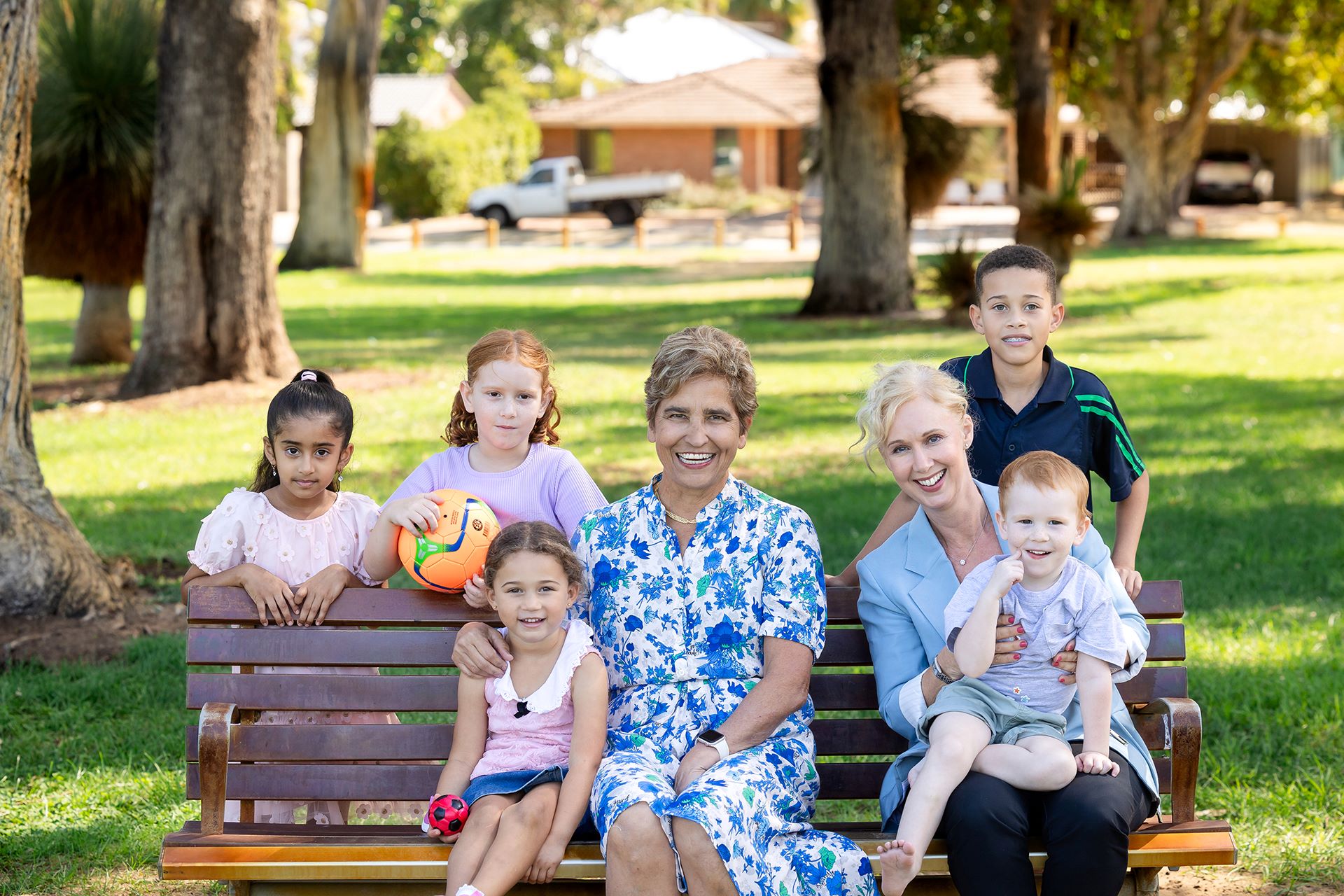
ORIGINS is Australia's largest longitudinal cohort study of its kind. Following 10,000 WA children from their time in the womb into early childhood, ORIGINS researchers are working to better understand when and why non-communicable diseases develop, and provide solutions for early intervention to ensure every child and family flourishes throughout their lifetime.
Many children and their families, especially those from priority populations, experience barriers to accessing high-quality early childhood health, education, social and legal services. Further, these families are often under-represented in service planning and research; hence innovations are not designed to meet their needs. Our aim is to codesign with families and the wider community, a Strength-based, Tiered, Accessible Resources and Supports for Kids (STARS for Kids) programme to optimise child development, parental mental well-being, and family psychosocial needs in the first 2000 days from pregnancy to start of school
Food allergy affects families' quality of life, can be lifelong and life-threatening, urging the identification of early modifiable risk factors. Formula feeding in the first days of life may increase the risk of cow's milk allergy, a risk often attributed to cow's milk allergens exposure. Early formula feeding also reduces the colostrum intake, the first 3 days' milk, which is rich in bioactive compounds critical for immune and gut health. This study investigates whether partial colostrum feeding increases the risk of food allergy beyond cow's milk.
Ingestion of prebiotics during pregnancy and lactation may have immunomodulatory benefits for the developing fetal and infant immune system and provide a potential dietary strategy to reduce the risk of allergic diseases. We sought to determine whether maternal supplementation with dietary prebiotics reduces the risk of allergic outcomes in infants with hereditary risk.