
Search
André Schultz MBChB, PhD, FRACP Head, BREATH Team Head, BREATH Team Prof André Schultz is the Head, BREATH Team at The Kids Research Institute
As both bronchiolitis and bronchiectasis are diseases of the airway surface, we will comprehensively study the airway surface and factors affecting the airway surface in infants hospitalised with bronchiolitis.
Childhood asthma begins as wheeze (a whistling sound produced by the airways during breathing) during preschool age.
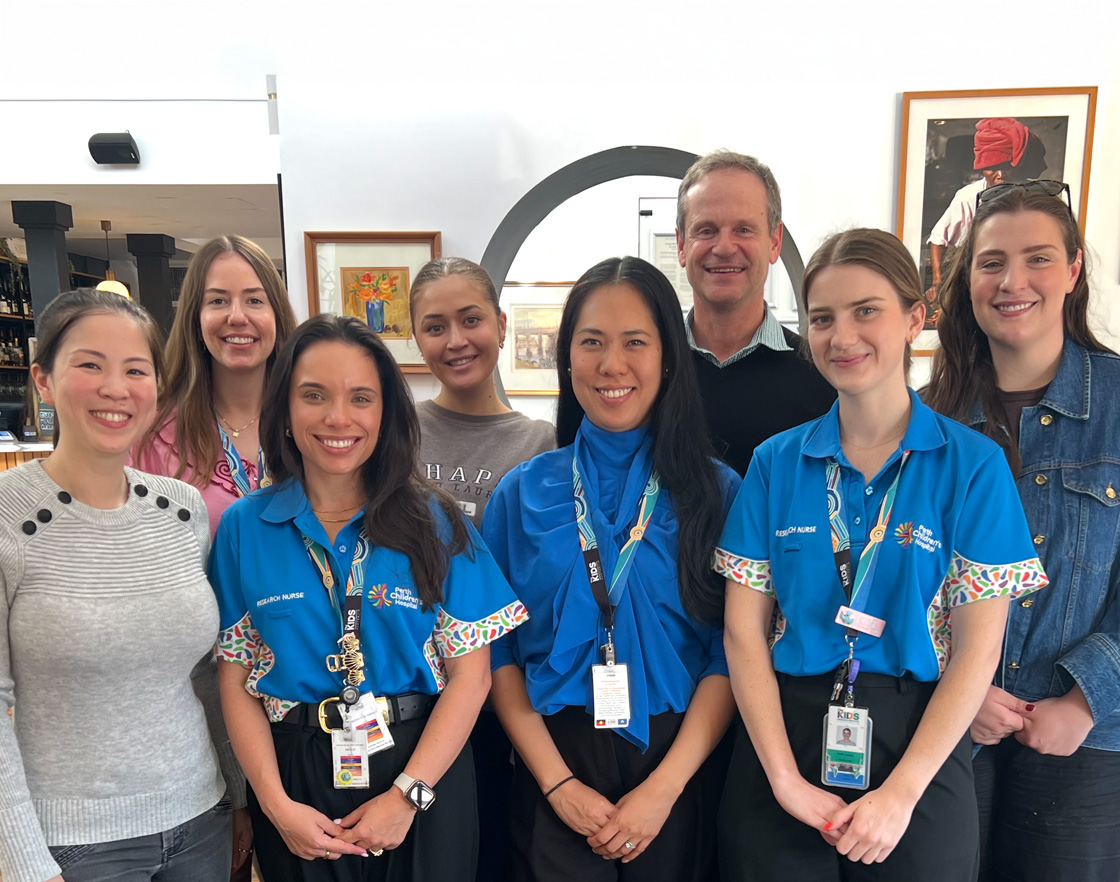
Our team aims to optimise lung health early in life to ensure the best possible health outcomes later in life.
Climate change is increasing the frequency and severity of non-optimal temperatures and heatwaves, posing risks to public health, especially for children and young people. We performed a systematic review and meta-analysis to assess the impacts of (i) non-optimal ambient temperatures and (ii) heatwaves on mental health outcomes in this group globally.
The airway epithelium is the primary structural and functional airway barrier and orchestrates innate immunity. Some children may have underlying epithelial vulnerabilities that contribute to the pathogenesis of acute wheeze and asthma.
During exacerbations, when symptom and treatment burden are increased, individuals with cystic fibrosis (CF) are likely to prefer airway clearance techniques (ACTs) that require minimal effort. Therefore, in adults with CF who were hospitalised with an exacerbation, we sought to compare the effect of the MetaNeb with usual ACTs on respiratory function and expectorated sputum.
Despite recent improvements in treatment modalities for cystic fibrosis (CF), there is currently limited evidence and a lack of consensus regarding optimal treatment strategies for the different aspects of CF, including pulmonary exacerbations (PEx). We aimed to establish a prospective cohort of people with CF (pwCF) to evaluate alternative approaches to managing CF in the era of modulator therapies.
Culturally safe healthcare approaches are important to improve outcomes of Indigenous people. Non-Indigenous clinicians are often ill-prepared to provide such healthcare. The NHMRC Centre for Research Excellence (CRE) especially for First Nations Children has been studying for several years how to improve clinical care for Indigenous children with respiratory disease in hospital, clinic, urban, rural and remote settings.
Managing bronchiectasis exacerbations is a priority for patients, parents, and caregivers of children with bronchiectasis. However, evidence-based strategies among the pediatric population remain limited.