
Search
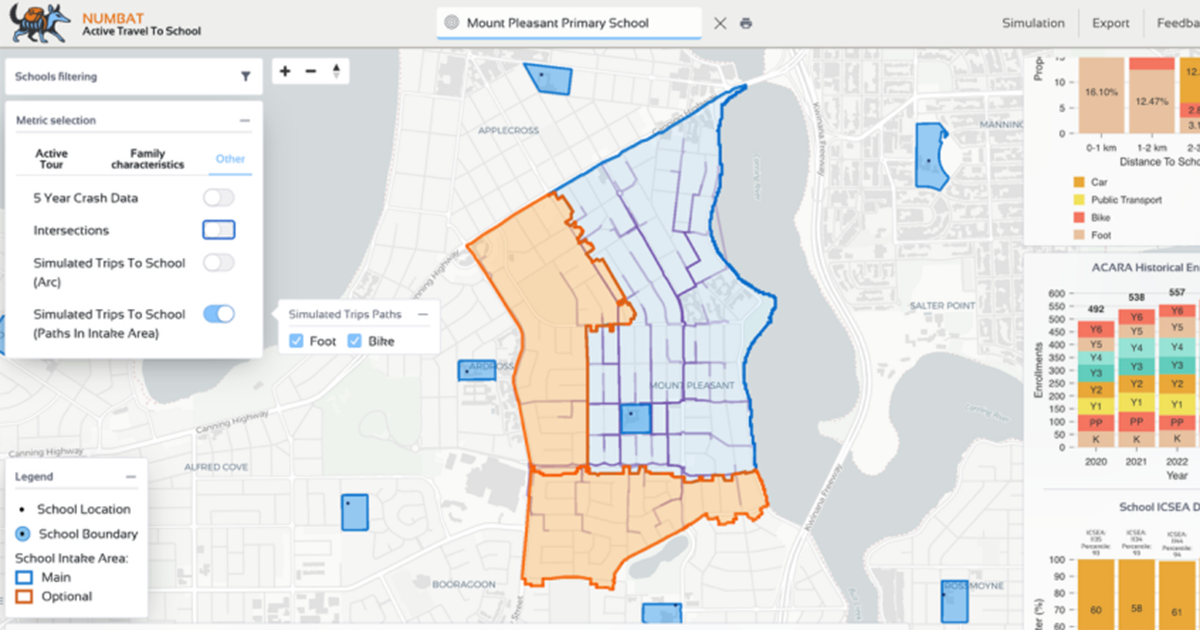
A powerful new digital modelling tool is helping tackle an emerging challenge in children’s health – the dramatic decline in walking and cycling to school.
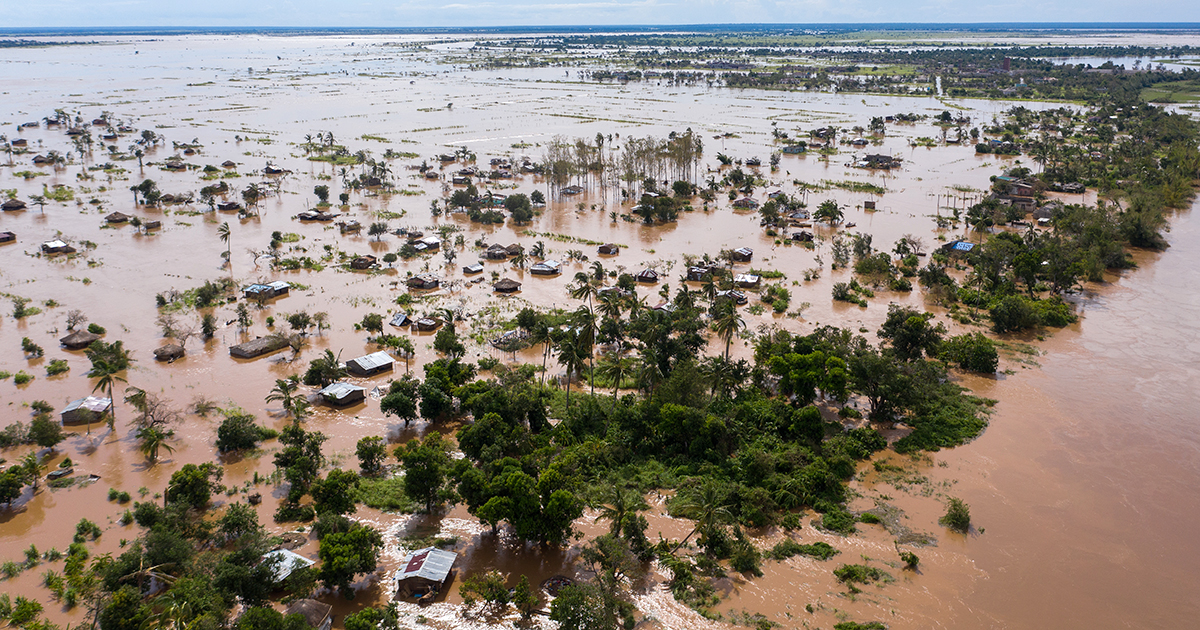
World-first research from The Kids Research Institute Australia and Curtin University predicts climate change could trigger more than 100 million additional malaria cases and 500,000 additional deaths in Africa by 2050, including substantial impacts on children.
Enteric infectious diseases claim more than 1 million lives annually and are among the top ten causes of death in children younger than 5 years. Remarkable global investment has been dedicated to enteric infectious disease prevention and control; however, the shifting global health landscape is testing the continuance of progress.
Respiratory syncytial virus (RSV) is a significant cause of respiratory infections in young children. Since 2021, RSV has been a notifiable disease in Australia. However, current surveillance systems focus on hospitalised RSV, with limited surveillance at a community level through primary care clinics. This approach only captures RSV requiring hospitalisation. Less severe illnesses, while not captured, may have significant social and economic impacts including the associated cost of care and absenteeism. The aim of this study is to establish an understanding of the broader burden of RSV in young children in a community setting.
Tuberculosis (TB) is the leading global cause of death from a single infectious agent. Recent reductions in global health funding have threatened TB control, making comprehensive assessment of TB, HIV-related TB, and drug-resistant TB burdens before these disruptions essential for shaping effective responses.
Anemia constitutes a major global public health challenge among school-aged children with documented impacts on psychomotor development, academic achievement, susceptibility to infections, and long-term economic productivity. This study presents nationally representative findings on the prevalence and determinants of anemia among school children aged 5-16 years in mainland Tanzania.
Malaria imposes a significant global health burden and remains a major cause of child mortality in sub-Saharan Africa. In many countries, malaria transmission varies seasonally. The use of seasonally-deployed interventions is expanding, and the effectiveness of these control measures hinges on quantitative and geographically-specific characterisations of malaria seasonality.
Studies reported the prevalence of herbal medicines used for various maternal conditions across regions in Tanzanian communities. However, the lack of a national estimate of herbal medicine use makes it challenging for policymakers, herbal medicine regulators, and healthcare practitioners to make informed decisions on herbal medicine-related policies and practices to optimize their contribution to maternal healthcare.
Namibia, a low malaria transmission country targeting elimination, has made substantial progress in reducing malaria burden through improved case management, widespread indoor residual spraying and distribution of insecticidal nets. The country's diverse landscape includes regions with varying population densities and geographical niches, with the north of the country prone to periodic outbreaks.
Cases identified through mass testing represent only a fraction of infections, depending on the propensity of infected individuals to seek testing. Quantifying the variation in test-seeking behaviour through time or between population subgroups provides important information on testing uptake and supports epidemiological analyses of case data that may otherwise be biased.