
Search
Myeloperoxidase is released by neutrophils in inflamed tissues. MPO oxidizes chloride, bromide, and thiocyanate to produce hypochlorous acid, hypobromous acid, and hypothiocyanous acid, respectively. These oxidants are toxic to pathogens, but may also react with host cells to elicit biological activity and potential toxicity. In cystic fibrosis and related diseases, increased neutrophil inflammation leads to increased airway MPO and airway epithelial cell exposure to its oxidants.
Cystic Fibrosis (CF) is a genetic condition characterized by neutrophilic inflammation and recurrent infection of the airways. How these processes are initiated and perpetuated in CF remains largely unknown. We have demonstrated a link between the intestinal microbiota-related metabolites bile acids and inflammation in the bronchoalveolar lavage fluid from children with stable CF lung disease.
André Schultz MBChB, PhD, FRACP Head, BREATH Team Head, BREATH Team Prof André Schultz is the Head, BREATH Team at The Kids Research Institute
Respiratory tract infections (RTIs) drive lung function decline in children with cystic fibrosis (CF). While the respiratory microbiota is clearly associated with RTI pathogenesis in infants without CF, data on infants with CF is scarce. We compared nasal microbiota development between infants with CF and controls and assessed associations between early-life nasal microbiota, RTIs, and antibiotic treatment in infants with CF.
Rothwell Family Fellow; Head, Airway Epithelial Research

Two researchers from The Kids Research Institute Australia’s Wal-yan Respiratory Research Centre have secured lucrative fellowships to advance cutting-edge phage therapy research for people living with cystic fibrosis (CF).
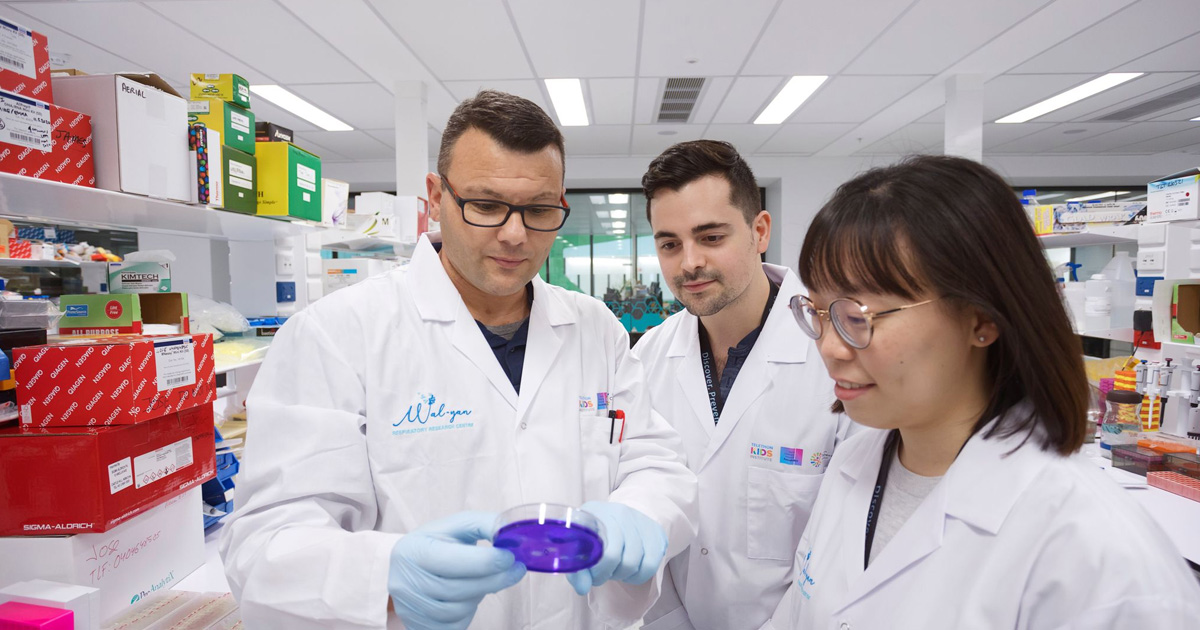
A $350,000 Cure4 Cystic Fibrosis grant is set to propel the Wal-yan Respiratory Research Centre’s Phage WA program forward, supercharging its fight against antimicrobial resistant (AMR) lung infections in people with Cystic Fibrosis (CF) using cutting-edge phage therapy.
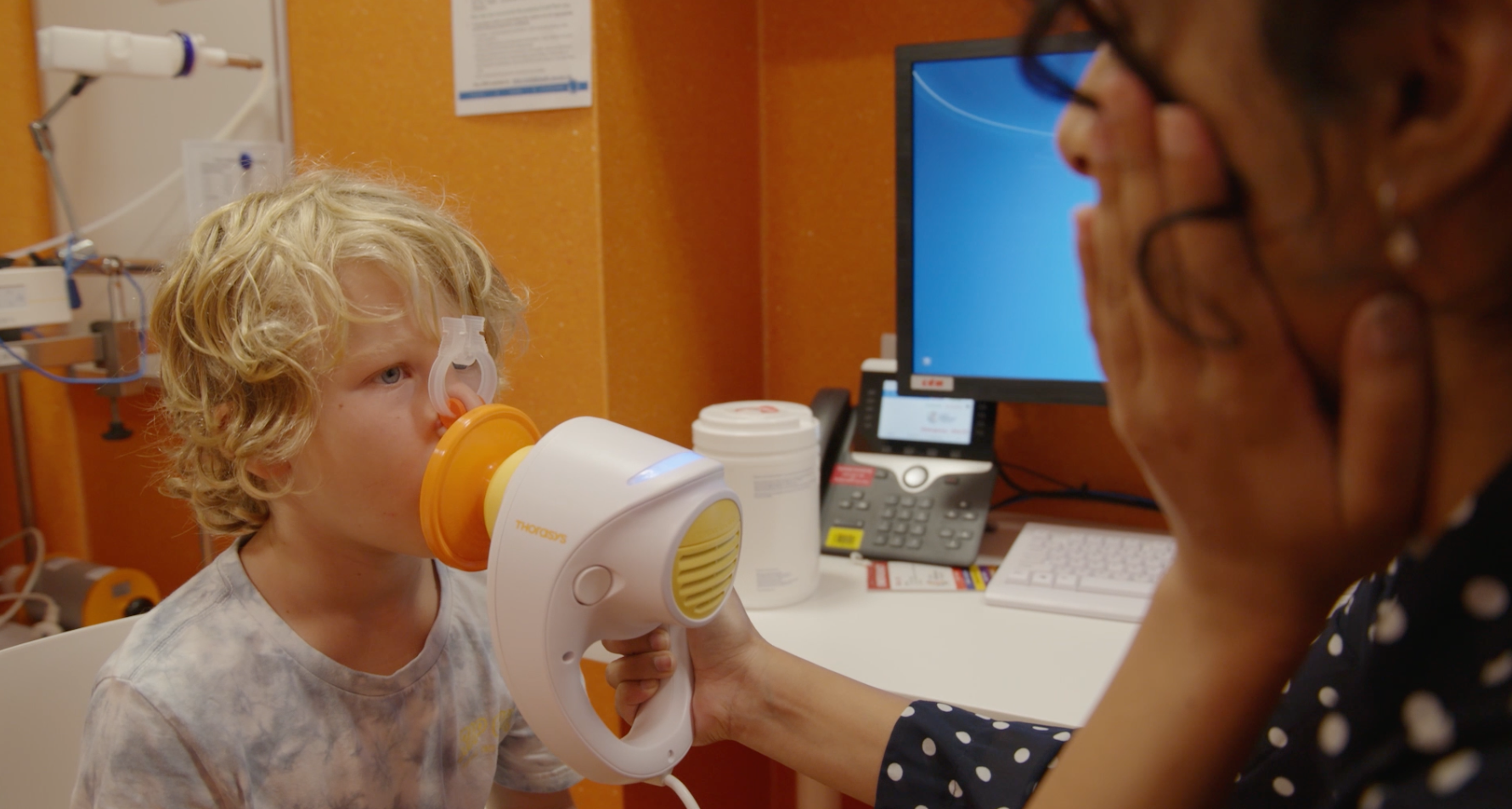
A promising new treatment pioneered in Western Australia for people with cystic fibrosis has commenced testing in a clinical trial in the United States and Australia.
Promising results from an Australian-led clinical trial could drastically change the way we care for young children with cystic fibrosis (CF).
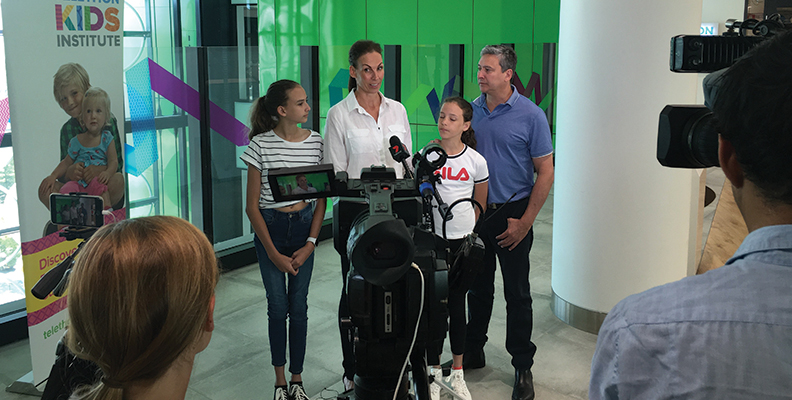
The Kids Research Institute Australia spin-off company, Respirion, received $20 million in funding to develop a promising new therapy.