
Search
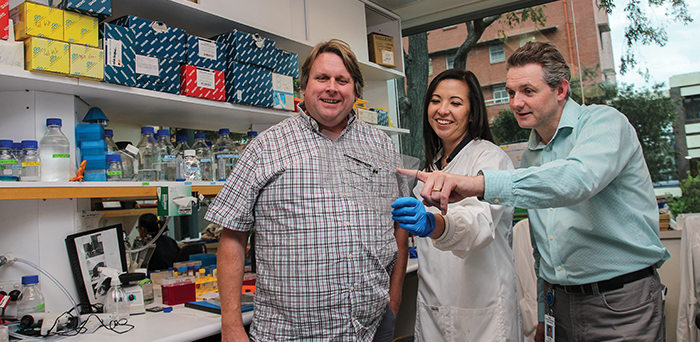
In the field of cancer research, lobbying efforts by the The Kids Cancer Centre have contributed to major initiatives including Australia’s first personalised medicine program for children with high-risk cancer, and a mission to boost survival rates in brain cancer patients.
Rett syndrome (RTT) is a complex neurodevelopmental X-linked disorder associated with severe functional impairments and multiple comorbidities. There is wide variation in the clinical presentation, and because of its unique characteristics, several evaluation tools of clinical severity, behavior, and functional motor abilities have been proposed specifically for it.
CDKL5 deficiency disorder (CDD) was first identified as a cause of human disease in 2004. Although initially considered a variant of Rett syndrome, CDD is now recognised as an independent disorder and classified as a developmental epileptic encephalopathy.
The Rett Syndrome Gross Motor Scale (RSGMS) is an observational measurement, assessing gross motor skills in individuals with Rett syndrome. A Dutch version is lacking. The current study aims to translate and cross-culturally adapt the original RSMGS to Dutch and assess its inter-rater and intra-rater reliability.
We investigated the longitudinal stability of hand function in Rett syndrome and to analyze further the relationships between stability of hand function and genotype, age, and walking ability. Study design: Longitudinal video data of functional abilities of individuals with genetically confirmed Rett syndrome were collected by families of individuals registered with the Australian Rett Syndrome Database.
To explore patterns of parafunction, and bruxism, and its relationships with genotype and snoring in individuals with Rett syndrome.
There is a dearth of literature available on the comparative oral health status of those with Rett syndrome (RTT) despite diurnal bruxism being a supportive diagnostic criterion for the disorder. This study was designed to investigate the dental experiences of individuals with RTT in terms of perceived at-home and professional dental care.
Rett syndrome (RTT) is a rare neurodevelopmental disorder mainly affecting females and is caused by a mutation in the MECP2 gene. Recent research identified the domains of quality of life (QOL) important for children with RTT but there has been no investigation of domains important for adults. This qualitative study explored QOL in adults with RTT and compared domains with those previously identified for children.
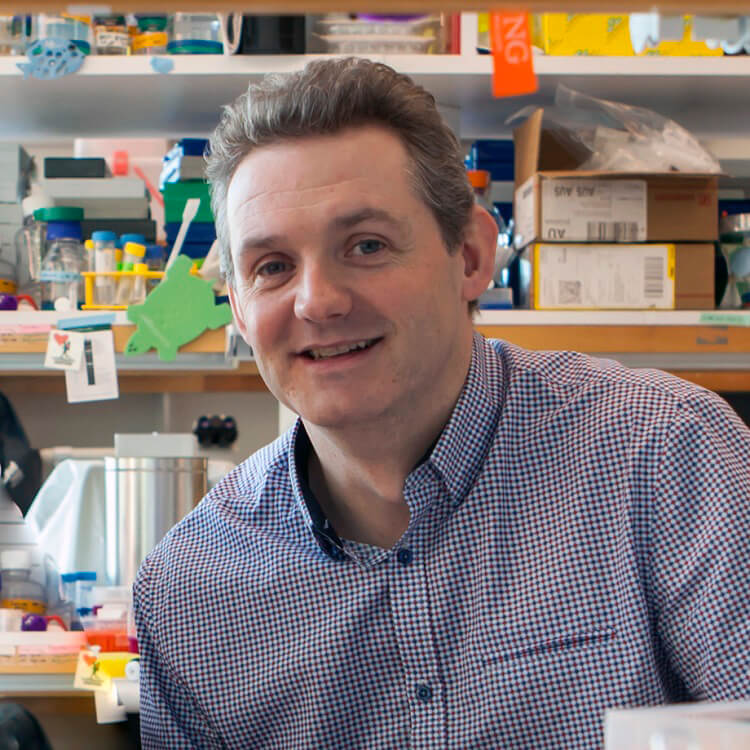
The Kids cancer researcher & clinician Dr Nick Gottardo has been announced as the recipient of an Innovation Grant from the Cure Brain Cancer Foundation.
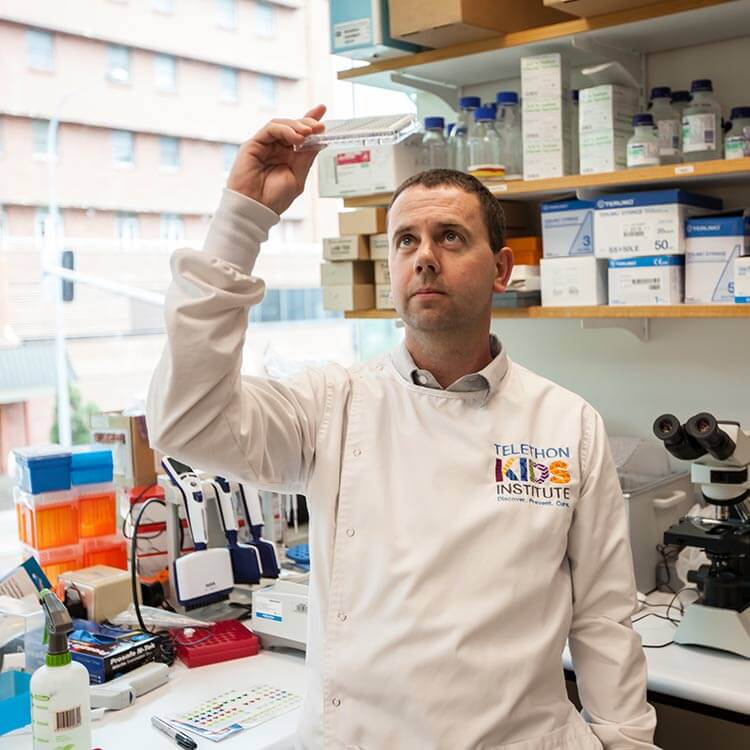
A The Kids Research Institute Australia researcher will investigate new ways to harness the body’s own immune system to fight melanoma, thanks to Cancer Council WA funding.
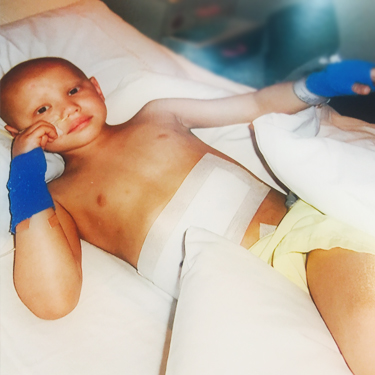
Rennae's son Samuel was diagnosed with stage 4 neuroblastoma 13 years ago, and was originally given a 20% chance of survival. She bravely shares their story.
The epidermal growth factor receptor (EGFR) family of receptor tyrosine kinases (RTKs) consists of EGFR, ErbB2, ErbB3, and ErbB4. These receptors play key roles in cell proliferation, angiogenesis, cell migration, and in some cases, tumor promotion.
Antibodies that target immune checkpoints such as cytotoxic T lymphocyte antigen 4 (CTLA‐4) and the programmed cell death protein 1/ligand 1 (PD-1/PD-L1) are now a treatment option for multiple cancer types. However, as a monotherapy, objective responses only occur in a minority of patients. Chemotherapy is widely used in combination with immune checkpoint blockade (ICB). Although a variety of isolated immunostimulatory effects have been reported for several classes of chemotherapeutics, it is unclear which chemotherapeutics provide the most benefit when combined with ICB.
With immune checkpoint therapy (ICT) having reshaped the treatment of many cancers, the next frontier is to identify and develop novel combination therapies to improve efficacy. Previously, we and others identified beneficial immunological effects of the vitamin A derivative tretinoin on anti-tumour immunity.
Cancer vaccination drives the generation of anti-tumor T cell immunity and can be enhanced by the inclusion of effective immune adjuvants such as type I interferons (IFNs). Whilst type I IFNs have been shown to promote cross-priming of T cells, the role of individual subtypes remains unclear. Here we systematically compared the capacity of distinct type I IFN subtypes to enhance T cell responses to a whole-cell vaccination strategy in a pre-clinical murine model.
Anaphylaxis is a severe, potentially life-threatening allergic reaction driven primarily by the activation of mast cells. We still fail to understand factors underlying reaction severity. Furthermore, there is currently no reliable diagnostic test to confirm anaphylaxis in the emergency department.
Medulloblastoma is the most common malignant paediatric brain tumour and a leading cause of cancer-related mortality and morbidity. Existing treatment protocols are aggressive in nature resulting in significant neurological, intellectual and physical disabilities for the children undergoing treatment. Thus, there is an urgent need for improved, targeted therapies that minimize these harmful side effects.