
Search

Global circulation of respiratory syncytial virus (RSV) is shaped by human air travel with travellers hosting new strains fuelling transmission across borders, an international The Kids Research Institute Australia study found.
To assess the relative effectiveness of topical versus systemic antibiotics for people with chronic suppurative otitis media
To assess the effects of aural toilet procedures for people with chronic suppurative otitis media
decreased serum IgG responses to NTHi outer membrane proteins may contribute to the development of chronic and severe OM in Australian Aboriginal children
The benefits that swimming pools may bring to to ear and eye health in remote Aboriginal communities remains unresolved

Four outstanding members of The Kids Research Institute Australia family – three researchers and an Aboriginal Elder co-researcher – have been named in the Australia Day Honours List for their outstanding service to research and the community.
This study was unable to demonstrate efficacy of 23vPPV in pregnancy against the co-primary outcomes of either all-cause infant ear disease.
The prevalence of parent-reported rOM was 26.8% (611/2280) and 5.5% (125/2280) for severe rOM in the Study.
Recurrent acute otitis media (AOM), frequently caused by Streptococcus pneumoniae, is a major paediatric health problem.
Bacteria persist within biofilms on the middle ear mucosa of children with recurrent and chronic otitis media however the mechanisms by which these...

Experts are warning Aboriginal parents in Western Australia with newborn babies to be vigilant about Respiratory Syncytial Virus (RSV) as winter progresses.
We investigated the suggestion that otitis-prone children have an impaired antibody response in the context of pneumococcal vaccination.
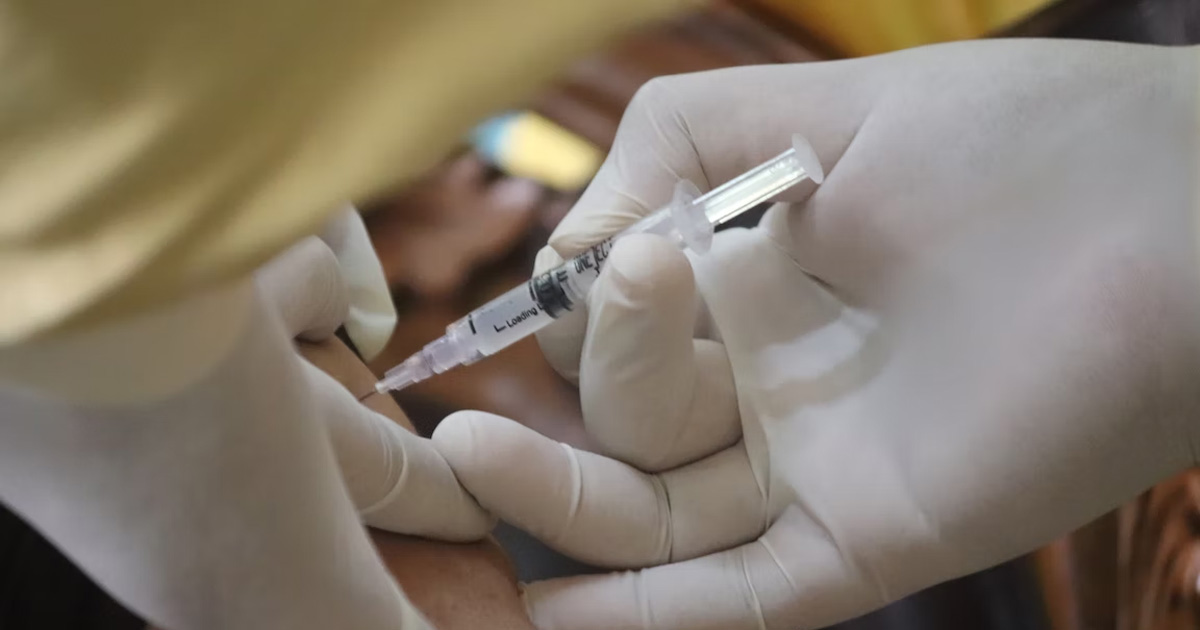
A world-first study has found a new vaccine against potentially deadly respiratory syncytial virus (RSV) is safe and effective for use in pregnant women, to help protect their babies.
Reviewed in this article these studies have identified positive association at 21 genes with association at five of these replicated in independent populations.

World-first immunisations providing protection against deadly respiratory syncytial virus (RSV) could be just months away thanks to global research efforts spanning multiple decades.
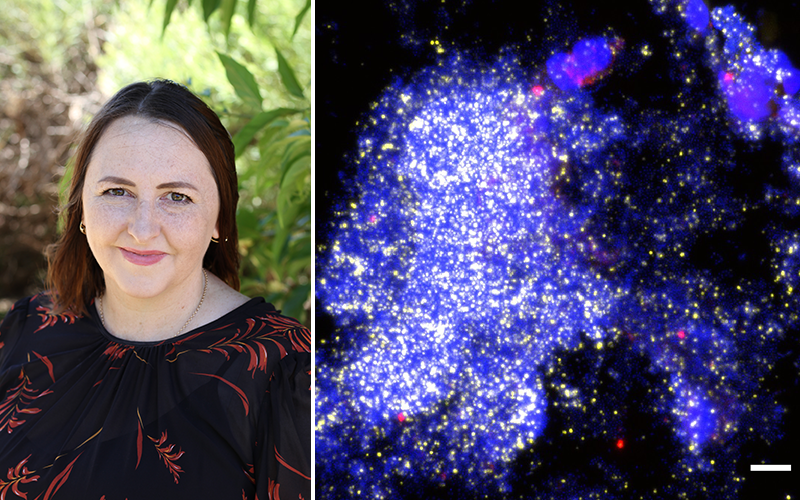
Researchers using powerful microscopes have identified bacterial slime in the lungs of some children with persistent wet coughs.
Appropriate innate immune function is essential to limit pathogenesis and severity of severe lower respiratory infections (sLRI) during infancy, a leading cause of hospitalization and risk factor for subsequent asthma in this age group.