
Search
The early years of life have a profound effect on a child's developmental pathway.
We examined risk of intellectual disability and other neuropsychiatric outcomes in children of mothers with and without schizophrenia, bipolar or depression.
The aim of this study was to examine the association between maternal alcohol use disorder and intellectual disability in children.
This paper reviews the evidence from systematic reviews and meta-analyses examining the risk from low and moderate levels of prenatal alcohol exposure.
We wanted to embark on an epidemiological research project that would contribute new knowledge and, at the same time, might prove the value of the registry...
The study aims to provide paediatricians in Western Australia (WA) with educational resources about the prevention of prenatal alcohol exposure and fetal...
Carol Melissa Bower O'Donnell MBBS MSc PhD FAFPHM DLSHTM FPHA BPsych (Hons), MPsych, GradDip Ed, PhD Honorary Emeritus Fellow Honorary Research
Investigators: Tess Fletcher The overarching aim of this proposed research is to explore the limitations of existing alcohol and pregnancy messages
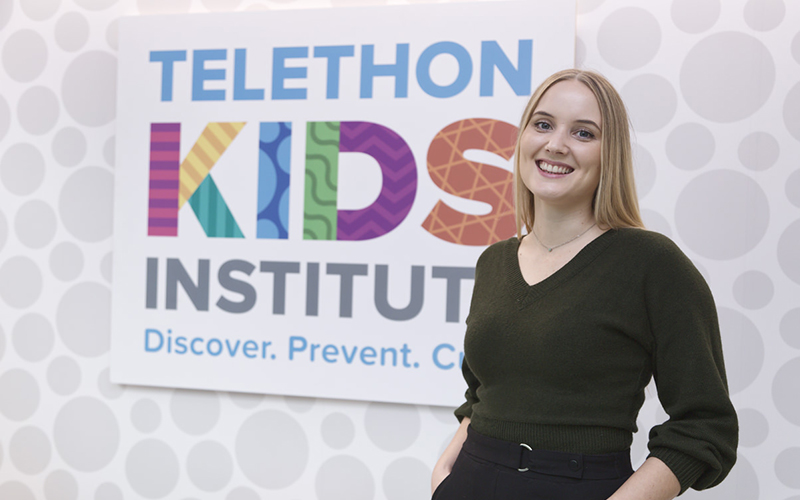
Dr Hayley Passmore is among four nominees for Western Australia’s 2022 Young Australian of the Year.
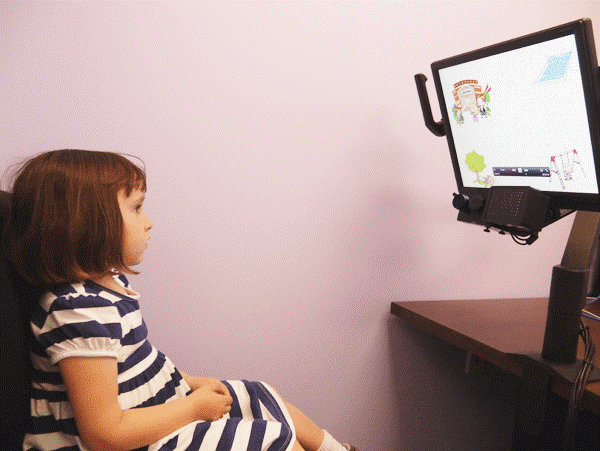
The Kids is trialling a new tool for earlier and easier screening of FASD and ADHD in children, using cutting-edge eye-tracking technology developed by the Kids Brain Health Network in Canada.