
Search
Retail food outlets are commonly located in close proximity to schools, providing students with opportunities to purchase and consume food enroute to or from school. These outlets are typically unhealthy and disproportionately clustered near schools, and this trend has been increasing over time. While quantitative studies have established associations between school food environments and adolescent dietary behaviours, little is known about how school personnel perceive and experience their impacts.
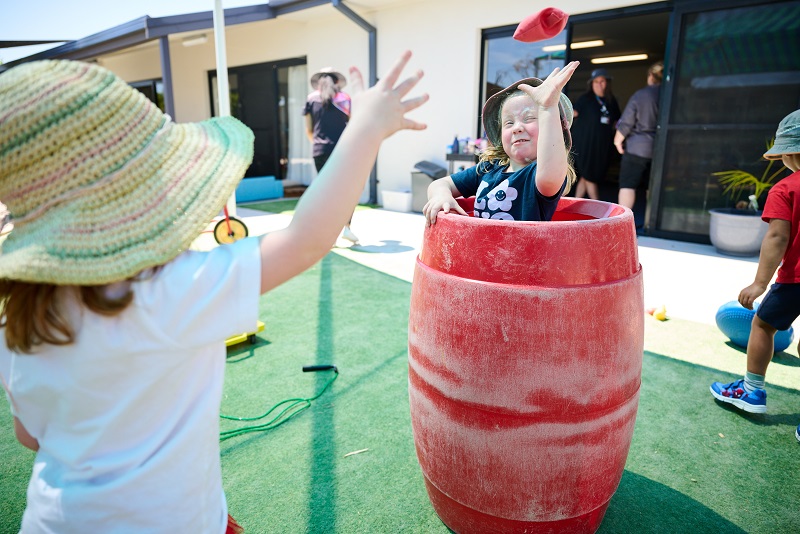
Our Child Physical Activity, Health and Development team focuses on improving children’s physical activity levels, health and development. We work to uncover the best environments, policies and programs to facilitate physically active lifestyles for lifelong health and wellbeing.
Physical activity (PA) surveillance, policy, and research efforts need to be periodically appraised to gain insight into national and global capacities for PA promotion. The aim of this paper was to assess the status and trends in PA surveillance, policy, and research in 164 countries.
There is limited understanding of the challenges experienced and supports required to aid effective advocacy of the Global Action Plan on Physical Activity (GAPPA). The purpose of this study was to assess the challenges experienced and supports needed to advocate for the GAPPA across countries of different income levels.
Energy drinks (EDs) are not recommended for minors' consumption due to a myriad of health risks, but marketing initiatives persist. This study explored the promotion of EDs on TikTok, a platform frequented by children and adolescents.
Meeting 24-h movement behavior guidelines for the early years is associated with better health and development outcomes in young children. Early childhood education and care (ECEC) is a key intervention setting however little is known about the content and implementation of movement behavior polices in this context. To inform policy development this international scoping review examined the prevalence, content, development and implementation of ECEC-specific movement behavior policies.
This research explored adults' perceptions of how sexualized images typically found on social media might influence adolescent girls' mental health, what support girls might need should they experience mental health difficulties, and how such difficulties could be prevented or reduced.
The PLAYCE Cohort was established to investigate how movement behaviours change over early to late childhood, across key behaviour settings and relationships with health and development
Nurturing children's health together: A collaboration between early childhood education and care (ECEC) educators and parents on active play and eating well