
Search
Multiple-breath washout (MBW) is an established technique to assess functional residual capacity (FRC) and ventilation inhomogeneity in the lung. Indirect calculation of nitrogen concentration requires accurate measurement of gas concentrations.
Inflammation and oxidative stress play a key role in the development of bronchopulmonary dysplasia (BPD), possibly contributing to persistent respiratory morbidity after preterm birth. We aimed to assess if inflammatory markers were elevated in exhaled breath condensate (EBC) of infants born very prematurely (< 32 weeks gestation) at 12-16 corrected months of age, and if increased levels were associated with BPD diagnosis and respiratory morbidity.
Despite the substantial burden of lung disease throughout childhood in children who were born very preterm, there are no evidence-based interventions to improve lung health beyond the neonatal period. We tested the hypothesis that inhaled corticosteroid improves lung function in this population.
Despite advances in neonatal intensive care, babies admitted to Neonatal Intensive Care Units (NICU) suffer from adverse outcomes. We aim to describe the longer-term respiratory infectious morbidity of infants discharged from NICU using state-wide population-based linked data in Western Australia.
To establish the burden of respiratory illness in cerebral palsy (CP) on the Western Australian health care system by quantifying the costs of respiratory hospitalizations in children with CP, compared with non-respiratory hospitalizations.
André Schultz MBChB, PhD, FRACP Head, BREATH Team Head, BREATH Team Prof André Schultz is the Head, BREATH Team at The Kids Research Institute
Respiratory tract infections (RTIs) drive lung function decline in children with cystic fibrosis (CF). While the respiratory microbiota is clearly associated with RTI pathogenesis in infants without CF, data on infants with CF is scarce. We compared nasal microbiota development between infants with CF and controls and assessed associations between early-life nasal microbiota, RTIs, and antibiotic treatment in infants with CF.

Program Manager
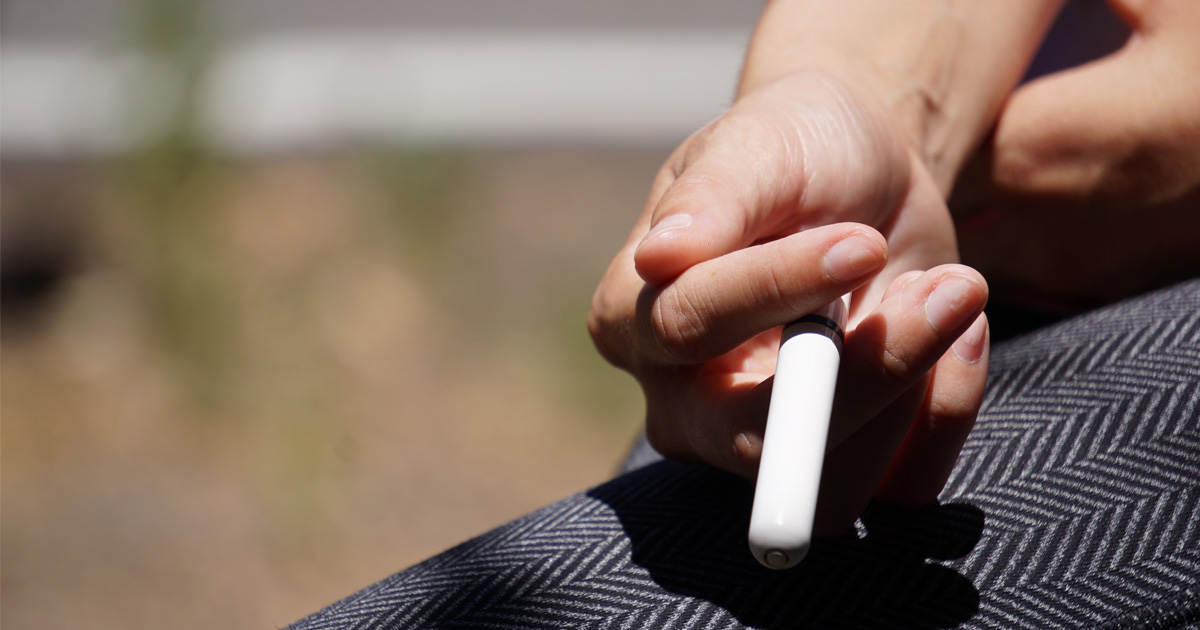
The Kids Research Institute Australia strongly supports the Federal Government’s announcement today to introduce a suite of reforms aimed at banning non-prescription vaping products in Australia.

Perth researchers have found toxic and harmful chemicals in several dozen e-cigarette liquids readily available in Australia.