
Search
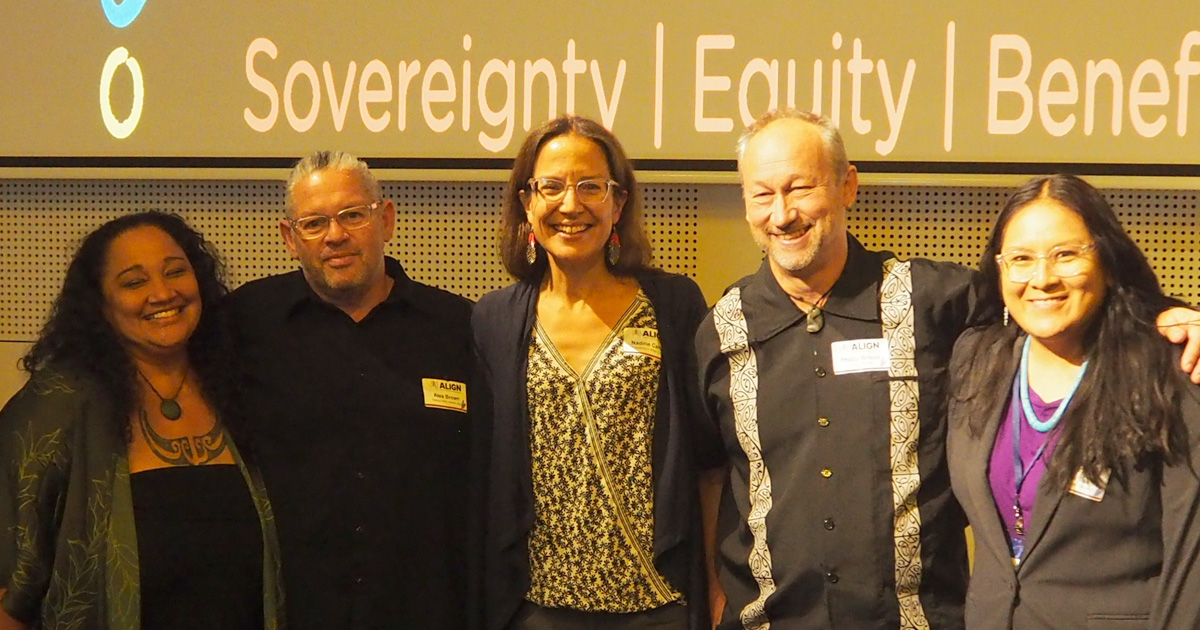
A national alliance of the brightest minds in genomic science, academia, policy makers, industry and Indigenous leaders will work to break down barriers to ensure Aboriginal and Torres Strait Islander people can benefit from advances in genomic medicine if they choose.
The Kids Research Institute Australia gives its full support for a First Nations Voice to Parliament to be enshrined in Australia’s constitution.
Aboriginal children and families contend with higher rates of preventable infectious diseases that can be attributed to their immediate living environment. The environments in which children spend most of their time are their homes and schools. We aimed to understand the opportunities in the school setting to support student skin health and wellbeing through environmental health activities, how these activities were completed, and the barriers to their implementation.
For millennia, Aboriginal people's ways of knowing, doing and being were shared through art, song, and dance. Colonisation silenced these ways, affecting loss of self-determination for Aboriginal people. Over the past decade in Australia, hip-hop projects have become culturally appropriate approaches for health promotion.
At present, limited literature exists exploring patient preferences for prophylactic treatment of acute rheumatic fever and rheumatic heart disease. Given low treatment completion rates to this treatment in Australia, where the burden of disease predominantly affects Aboriginal and Torres Strait Islander people, an improved understanding of factors driving patient preference is required to improve outcomes.
Lateral violence, a group of behaviours directed towards people of the same group, is considered endemic among Aboriginal people. Behaviours include bullying, gossiping, isolation or exclusion of certain group members, and challenges to one’s Aboriginal identity. Lateral violence impacts all aspects of one’s life. Due to its pervasiveness, this qualitative study investigated strategies employed by Aboriginal people to deal with lateral violence.
Cardiovascular disease and type 2 diabetes mellitus are leading contributors to the health inequity experienced by Aboriginal and Torres Strait Islander peoples, and their antecedents can be identified from early childhood. We aimed to establish the quality of available data and the prevalence of cardiometabolic risk markers among Aboriginal and Torres Strait Islander children and youths (0-24-year-olds) to inform public health approaches.
Infants (<1 year old) are the age group in Australia with the highest rate of involvement with child protection. Many jurisdictions across Australia and internationally are implementing policies focused on prenatal planning and targeted support.This study investigates Australian trends in prenatal and infant child protection notifications, substantiations and out-of-home care; and the extent of over-representation of Aboriginal and Torres Strait Islander infants.
Histo-blood group antigens (HBGAs) may influence immune responses to rotavirus vaccination.
Although essential for overall health and wellbeing, little is known about skin health in urban-living Australian Aboriginal children. This co-designed, research-service project aimed to describe skin health and document skin disease frequency in urban-living Aboriginal children and young people in Western Australia and investigate housing associations for skin infections.