
Search
Streptococcus pyogenes, or group A Streptococcus (GAS), infections contribute to a high burden of disease in Aboriginal Australians, causing skin infections and immune sequelae such as rheumatic heart disease. Controlling skin infections in these populations has proven difficult, with transmission dynamics being poorly understood. We aimed to identify the relative contributions of impetigo and asymptomatic throat carriage to GAS transmission.
This study asked consumers (patients, carers) and healthcare professionals (HCPs) to identify the most important symptoms for adults with cancer and potential treatment interventions.
André Schultz MBChB, PhD, FRACP Head, BREATH Team Head, BREATH Team Prof André Schultz is the Head, BREATH Team at The Kids Research Institute
There is a recognized unmet need for clinical trials to provide evidence-informed care for infants, children and adolescents. This Special Communication outlines the capacity of 3 distinct trial design strategies, sequential, parallel, and a unified adult-pediatric bayesian adaptive design, to incorporate children into clinical trials and transform this current state of evidence inequity. A unified adult-pediatric whole-of-life clinical trial is demonstrated through the Staphylococcus aureus Network Adaptive Platform (SNAP) trial.
This research sought to provide an outline of identified household-level environmental health initiatives to reduce or interrupt Strep A transmission along each of these pathways.
Secondary prophylaxis to prevent rheumatic heart disease (RHD) progression, in the form of four-weekly intramuscular benzathine benzylpenicillin G (BPG) injections, has remained unchanged since 1955. Qualitative investigations into patient preference have highlighted the need for long-acting penicillins to be delivered less frequently, ideally with reduced pain.
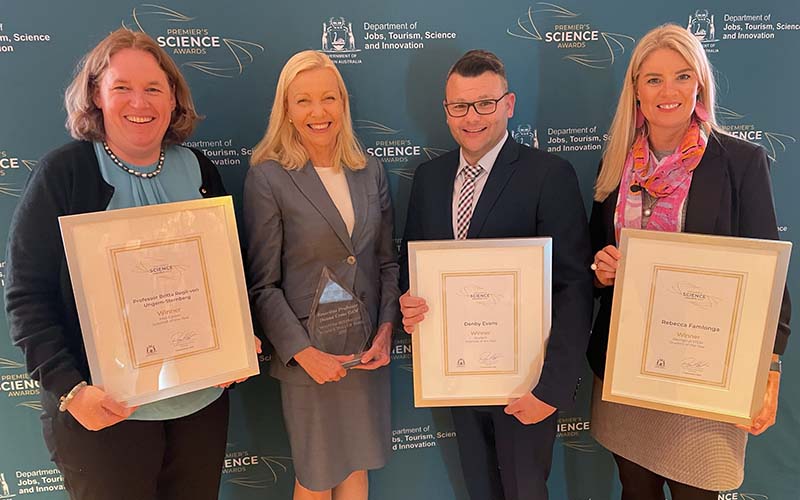
Three outstanding researchers have won 2023 Premier’s Science Awards, with another inducted into the prestigious WA Science Hall of Fame.
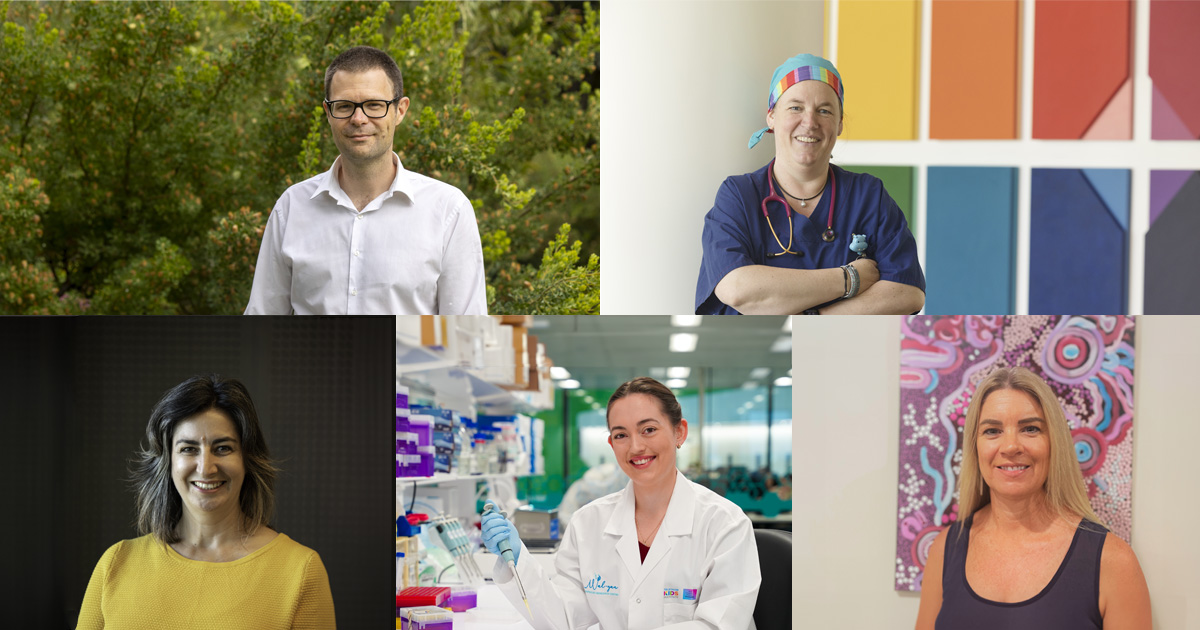
Five The Kids Research Institute Australia researchers working across diverse and highly impactful areas of child health research have been named as finalists for the 2023 Premier’s Science Awards.

A year after launching the first National Healthy Skin Guideline to address record rates of skin infections in Australia’s Indigenous communities, The Kids Research Institute Australia has released a new resource as part of the guideline.
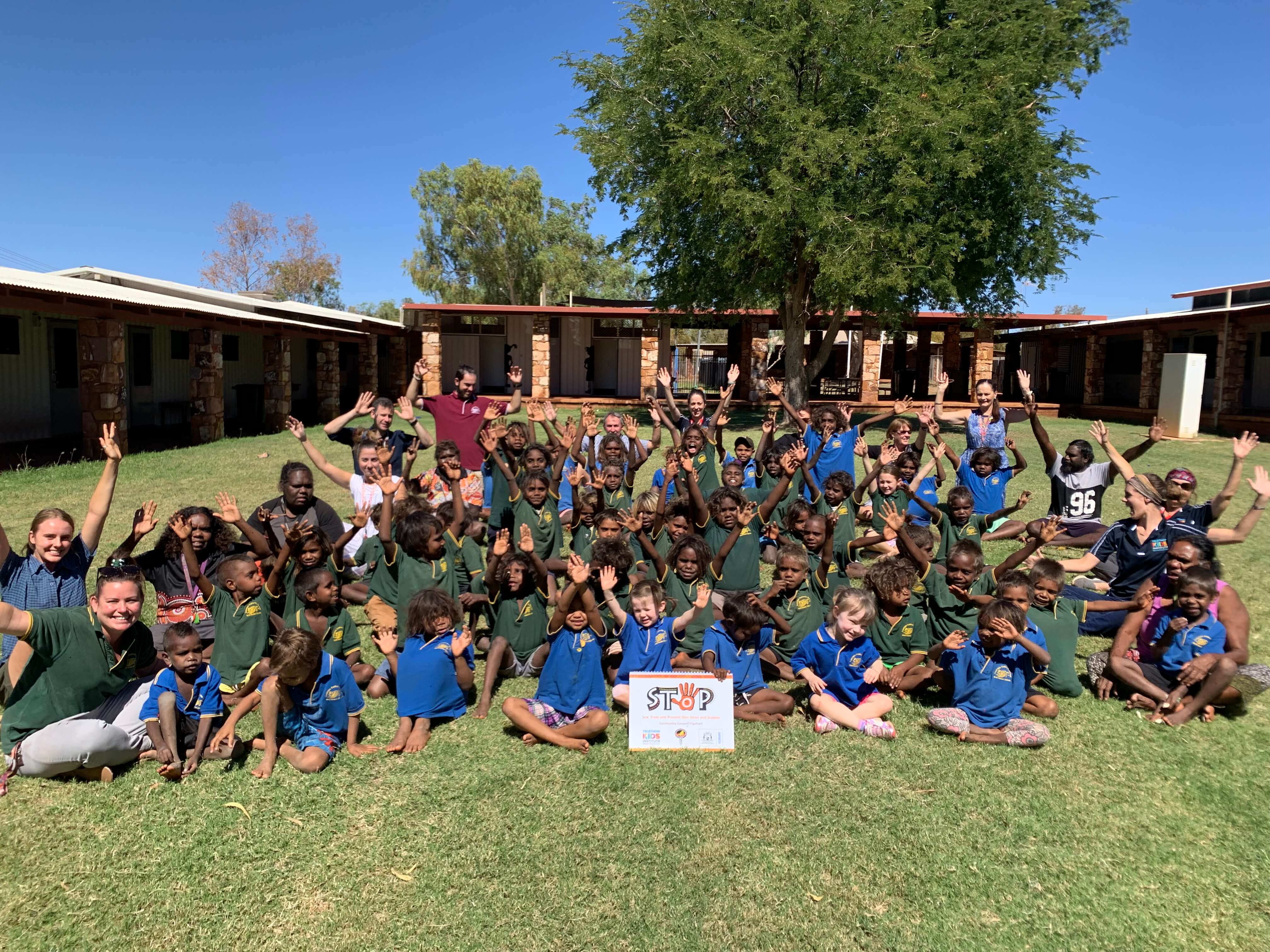
Aboriginal community members throughout the Kimberley will take a lead role in driving healthy skin messages within their own communities thanks to a major funding boost to The Kids Research Institute Australia’s SToP Trial.