
Search
Seasonal influenza is an important cause of acute neurological disease in Australian children.
These findings reinforce current recommendations for annual influenza vaccination, particularly those at greatest risk of influenza disease.
NIP has seen poor vaccine impact, related to recent vaccine safety concerns.
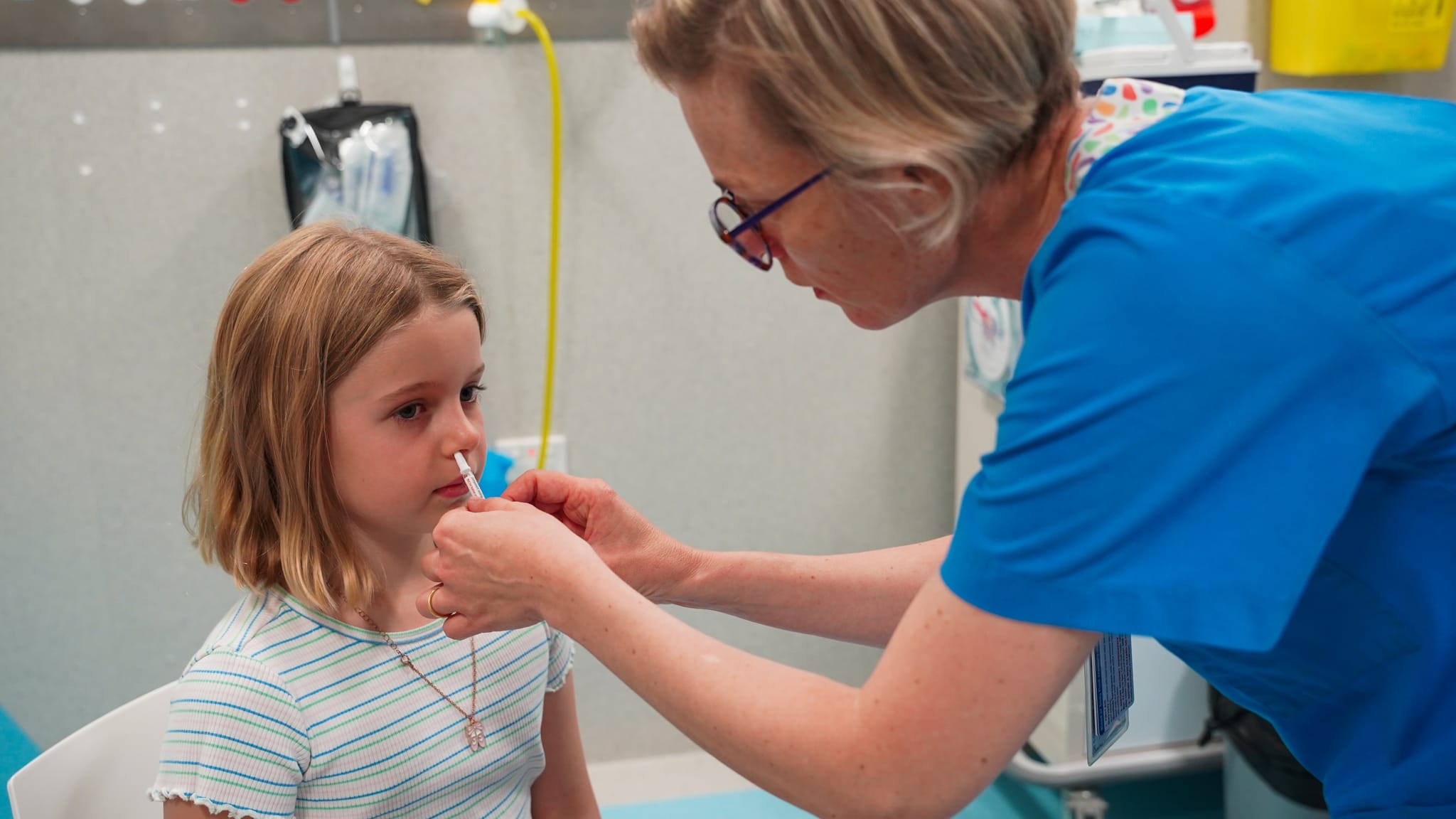
Influenza (commonly known as the flu) is caused by a highly contagious virus spread mainly through coughing and sneezing. An annual flu vaccination is the most effective way to prevent flu outbreaks.
Vaccination is the injection of an inactivated bacteria or virus into the body. This simulated infection allows an individual's immune system to develop an adaptive immunity for protection against that type of illness. When a sufficiently large percentage of a population has been vaccinated, this results in herd immunity.
The COVID-19 pandemic drove the implementation of vaccine mandates to protect spaces and/or increase vaccine uptake, though their design, timing, and scope varied across jurisdictions. This study examines the associations of vaccine mandate announcements and removals with COVID-19 vaccine uptake in France, Italy, and California (USA).
Rhinoviruses (RV) are the most common respiratory viruses globally and a major cause of airway symptoms in children and individuals with asthma. Although more than 170 RV types exist across 3 species (RV-A, RV-B, RV-C), type-specific circulation patterns and age-related prevalence remain poorly defined.
This study quantifies the short-term risk profiles of seven severe acute respiratory syndrome coronavirus 2 virus (SARS-CoV-2) vaccines-Comirnaty Bivalent BA.1, Comirnaty Bivalent BA.4-5, Comirnaty XBB.1.5, Spikevax Bivalent BA.1, Spikevax Bivalent BA.4-5, Spikevax XBB.1.5 and Nuvaxovid-administered as booster doses in Australia.
SARS-CoV-2 nucleocapsid (N) protein antibodies can be used to identify the serological response to natural infection in those who have previously received a COVID-19 spike-based vaccine. Anti-N antibody responses can also be induced by inactivated whole SARS-CoV-2 virus vaccines, such as CoronaVac. We aimed to characterise antibody responses to the N protein following COVID-19 and following vaccination with CoronaVac.
This study presents an optimised cultured ELISpot protocol for detecting central memory T-cell interferon gamma (IFNγ) responses against SARS-CoV-2 peptides following an initial priming with either peptides, or whole spike protein.