
Search
General Practitioners (GPs) play a crucial role in the identification and support of young people at risk of suicidal behaviour and self-harm; however, no studies have explored GPs’ perspectives, approaches, challenges, and resource needs when working with this cohort in an Australian setting.
Increased severity of neurological soft signs (NSS) in schizophrenia have been associated with abnormal brain morphology in cerebello-thalamo-cortical structures, but it is unclear whether similar structures underlie NSS prior to the onset of psychosis. The present study investigated the relationship between severity of NSS and grey matter volume in individuals at ultra-high risk for psychosis stratified for later conversion to psychosis.
Living with a long-term medical condition is associated with heightened risk for mental health and psychosocial difficulties, but further research is required on this risk for children and adolescents with a rare disease in the educational setting. The aim of this study is to describe parents’ perceptions of the psychosocial impact of rare diseases on their school-aged children in Western Australia.
While the majority of young people who meet the criteria for being considered at increased risk of psychosis do not go on to develop a psychotic disorder, young people are currently being identified and treated in early intervention services.
This article examines whether connection to digital technologies helps connect young Indigenous people in Australia to culture, community and country to support good mental health and well-being and protect against indirect and potentially long-term effects of COVID-19.
This study examined whether the 12-month prevalence of major depressive disorder, attention-deficit/hyperactivity disorder, and conduct disorder among 6- to 17-year-olds in Australia changed between 1998 and 2013 to 2014. It also investigated whether changes in the prevalence of disorders over this time varied for children living in families containing 2 parents versus single parents, and families with high versus low income.
The Healing Kids, Healing Families team strives to understand how trauma and adverse circumstances can impact a child and their family, and how we can help them to recover from these experiences.
Research Assistant
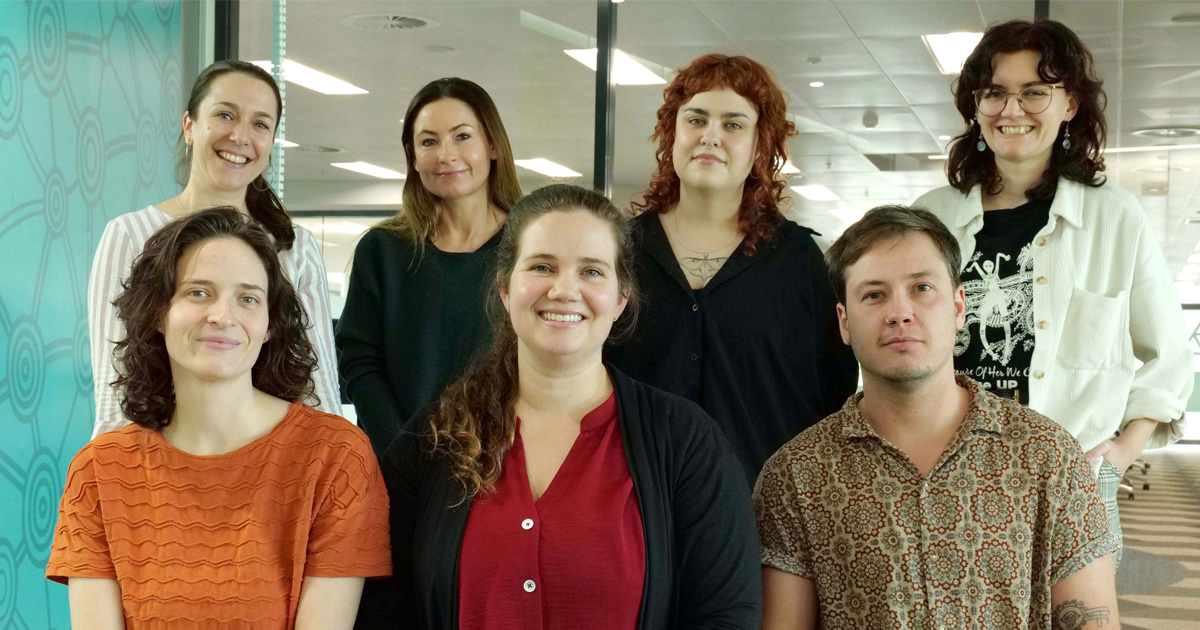
Trans Pathways is set to receive an update in the lead-up to the ten-year anniversary of the release of this seminal study by The Kids Research Institute Australia.

Six researchers from The Kids Research Institute Australia have been awarded $8.9 million in prestigious Investigator Grants from the National Health and Medical Research Council.