
Search

Be involved in the Sibling Snapshot Project! Researchers from The Kids Research Institute Australia are conducting research which explores the unique

Join a Focus Group for the Sibling Support Study! Researchers from The Kids Research Institute Australia are conducting research which explores the


In 2024–2025, we listened to 40 siblings from across Australia share their experiences of family life and social connection. Most had a brother or sister with developmental disability, and others did not. Together, they offered open and thoughtful reflections on roles and responsibilities at home, friendships, fam
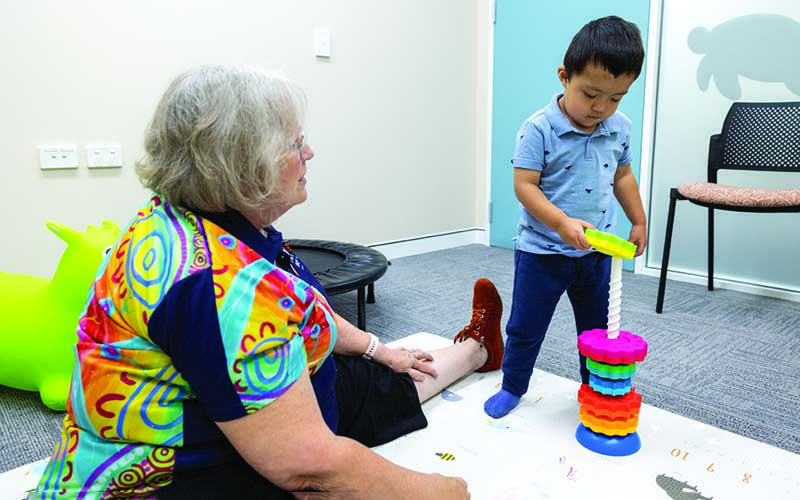
Discover how this family is benefitting from CliniKids' evidence-based therapies.
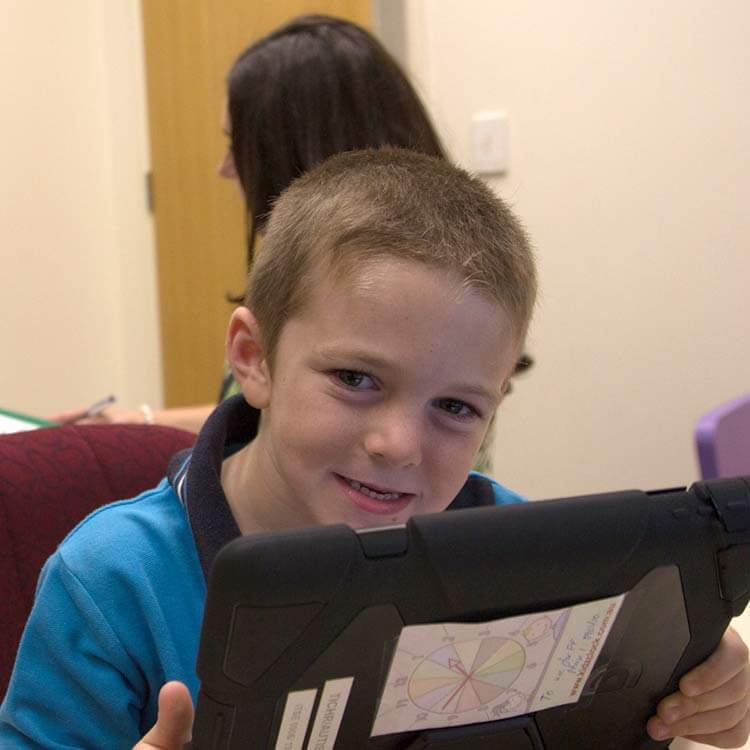
The MINERvA Network will allow more accurate and precise determination of the contributions of familial and environmental factors to the etiology of autism.
This study aimed to identify guiding principles to underpin assessment and diagnosis of autism to improve the quality, consistency and accuracy of services provided to individuals and their families. An online survey and focus groups were used to capture community perspectives of members of the Australian autistic and autism communities.
Altered drive to socially engage is a transdiagnostic feature across multiple psychopathologies. Yet, lack of clarity regarding specific processes that constitute social drive, along with insufficient measurement methods, has hindered understanding in this area. This study ascertained the feasibility of approximating difficulties within specific fine-grained social drive processes as proposed by 2 theoretical frameworks: “orienting,” “wanting,” “pursuing,” “liking,” “learning,” and “reticence” within a reward processing framework and “orienting,” “seeking and maintaining,” and “liking” within a social motivation framework.
Autism spectrum disorder (ASD), a neurodevelopmental condition characterised by social and communication differences, is complex and aetiologically heterogeneous. Untargeted metabolomics is emerging as a tool in screening for biochemical abnormalities. This research was conducted using the Australian Autism Biobank resource and involved analysis of plasma metabolites to characterise metabolite differences between autistic children and controls.