
Search
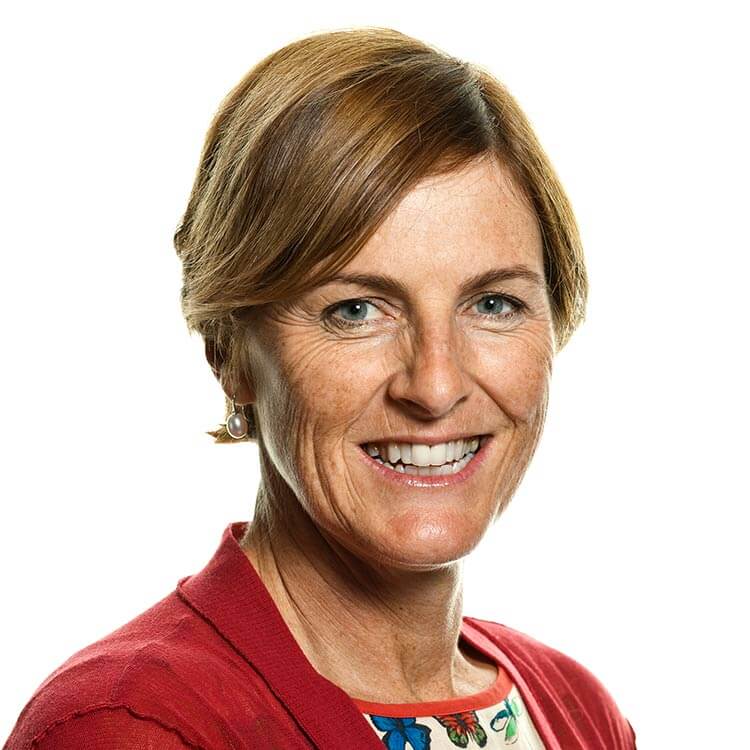
Professor Cate Taylor, is part of an International cohort of researchers to secure over €1.45million in grant funding from the EU’s Horizon 2020 programme.
The review examines the international literature to determine how disengagement can be defined & understood, & then examines student disengagement in Australia.
This project provides guidance to help school leaders review the evidence for different programs, as well as a review of universal, evidence-based pre-school and school-based social and emotional learning programs available in Australia.
The Life Course Centre is a national centre funded by the Australian Research Council Centre of Excellence Scheme and hosted through the University of Queensland with collaborating nodes at the University of Western Australia, Sydney University and University of Melbourne.
Aboriginal children and families contend with higher rates of preventable infectious diseases that can be attributed to their immediate living environment. The environments in which children spend most of their time are their homes and schools. We aimed to understand the opportunities in the school setting to support student skin health and wellbeing through environmental health activities, how these activities were completed, and the barriers to their implementation.
Previous research has demonstrated wellbeing benefits for positive education programmes (PEPs) facilitated by clinicians or experts or outside the school context. The current study explored the effects of a Year 10 PEP led by teachers trained in positive education and embedded within the Australian secondary school context.
We know that place, location, and geography can all influence health, wellbeing, and disease, and thus are important factors in policy development and service planning.
Mental health concerns present significant challenges for Australian youth. Arts organizations play a key role in promoting preventative mental health strate-gies through enhancing the social and emotional well-being (SEWB) of youth. However, little is known about how the arts promote SEWB and the processes and contexts through which this occurs.
School-based nutrition education (NE) has an important role in promoting healthy eating habits and helping prevent chronic diseases – particularly among disadvantaged children and youth who are more likely to experience poor diet quality.
Globally, as scale up of early childhood education (ECE) continues, monitoring ECE quality is imperative to promote service aspects that drive positive outcomes for children. Monitoring of ECE quality in low- and middle-income countries (LMICs) is scarce, limited by challenges in varied conceptualisations of quality, lack of measurement tools that reflect local culture and context, and implementation difficulties in low resource settings.