
Search

Two researchers focused on improving outcomes for children with chronic lung disease and averting suicide contagion and suicide clusters in young people have won prestigious Investigator Grants from the National Health and Medical Research Council.

Congratulations Dr Nicole Hill, who has been honoured at this year’s prestigious 40under40 Awards for her outstanding contributions to suicide prevention research in Australia.

The Kids Research Institute Australia congratulates Professor Helen Milroy on being named Western Australia’s 2021 Australian of the Year.
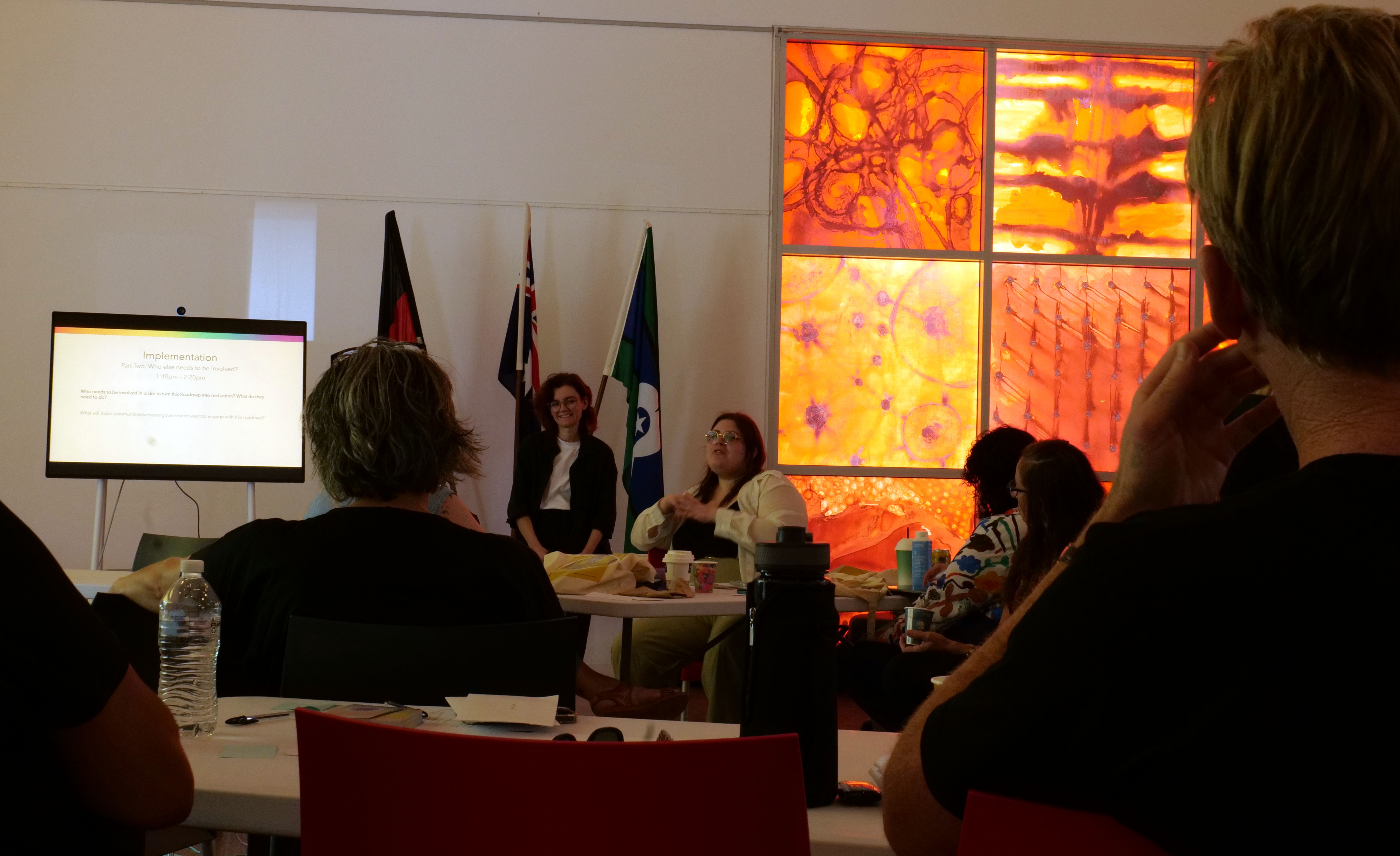
Walkern Katatdjin researcher and lead author Mx Shakara Liddelow-Hunt leads a conversation with the community on the key actions to include in the Roadmap.
This study explores the complex and multifaceted nature of social media use among young adolescents, drawing on the perspectives of young adolescents, parents and experts. It examines both the benefits and risks of social media and associated implications for adolescent mental health, self-development and social relationships.
This meta-analytic study examined the associations between childhood emotional abuse (CEA) history in adults and eleven emotion regulation abilities. Inclusion criteria were the use of validated and reliable multi-item measures, cross-sectional Pearson's correlation coefficient(s), and retrievable in English.
Trans and gender diverse (trans) young people experience higher rates of physical and mental ill-health due to chronic exposure to gender minority stress. Consequently, trans young people report higher health and mental healthcare service utilisation. Disconcertingly, negative experiences of healthcare services are prevalent among trans young people, especially those with additional marginalised identities and backgrounds who experience multiple forms of marginalisation.
The school environment profoundly influences children's development, behaviours, and attitudes. This chapter delves into the relationship between school design and architecture, and their impact on bullying, victimisation, inclusivity, and student well-being. Research underscores the significant impact of school design on student social dynamics, advocating for collaborative efforts among stakeholders to craft effective anti-bullying policies.
Many young people are exposed to risk factors that increase their risk of mental illness. Physical activity provision is an increasingly popular approach to protect against mental illness in the face of these risk factors. We examined the effectiveness of physical activity interventions for the promotion of mental health outcomes in at-risk children and adolescents.
Standardised psychometric measures are used in mental health care and research settings to identify risk, assist diagnosis, and assess symptom severity. Standardised scoring of these measures involves transforming respondents' raw scores using binary sex norms. However, scoring manuals offer no guidance as to appropriate scoring methods for trans and non-binary respondents.