
Search
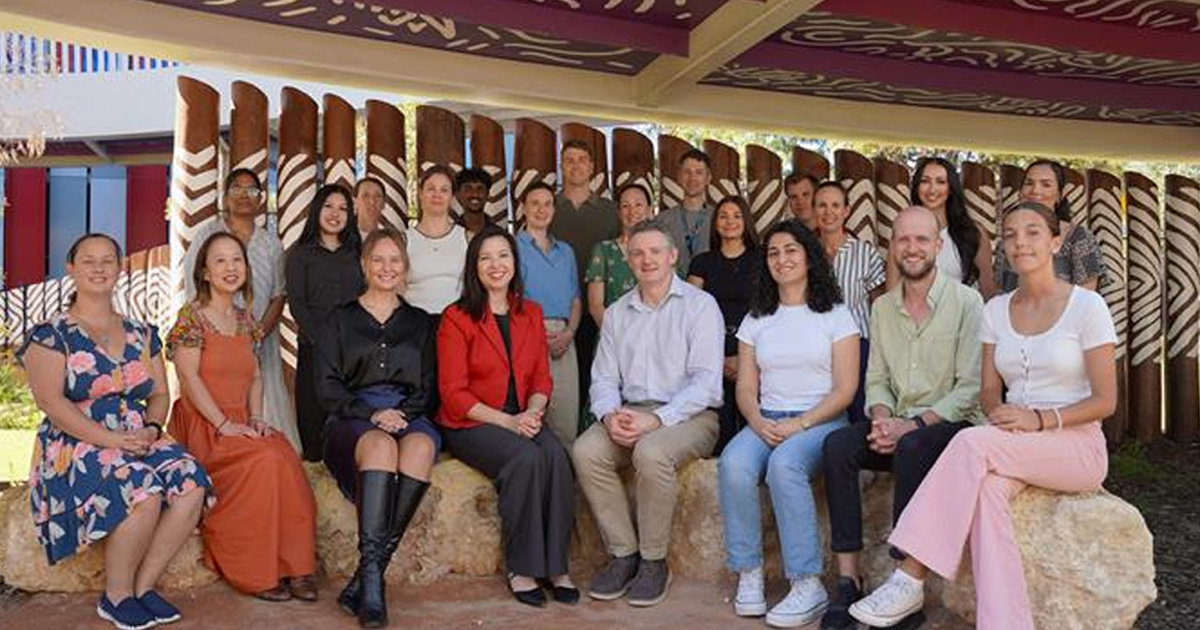
The Kids Research Institute Australia's Brain Tumour Research team will develop and implement cutting-edge technologies to revolutionise the speed of brain cancer diagnosis for WA children, thanks to more than $200,000 from Telethon.
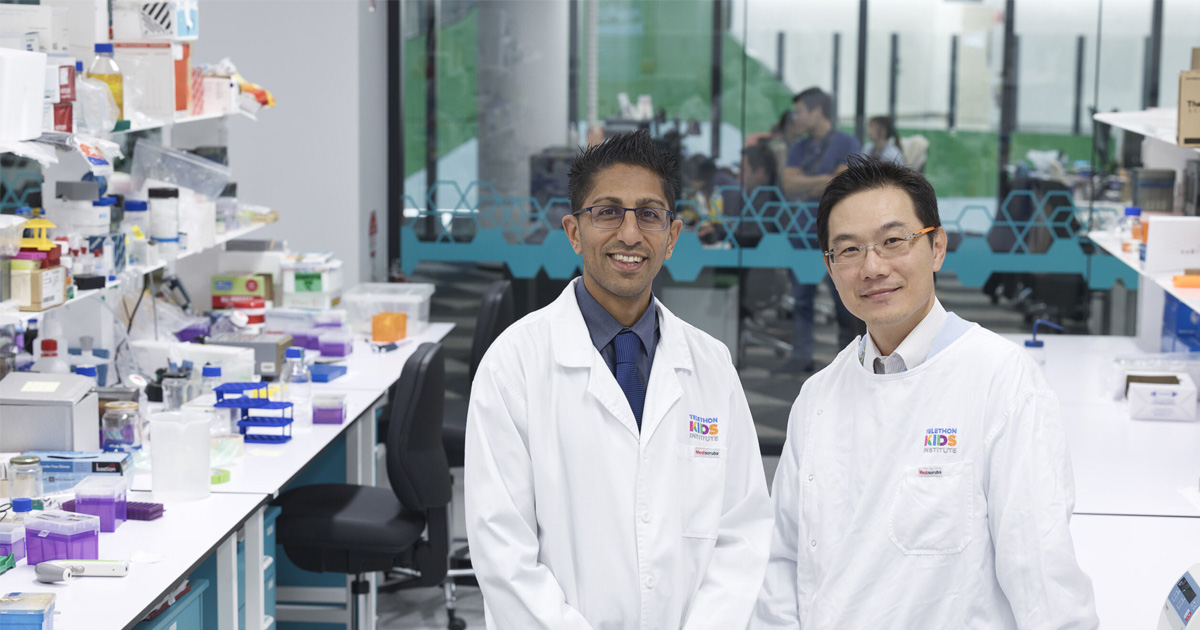
A groundbreaking study from cancer researchers at The Kids Research Institute Australia has identified a promising new therapeutic strategy for children battling the most common childhood cancer – B-cell acute lymphoblastic leukaemia.
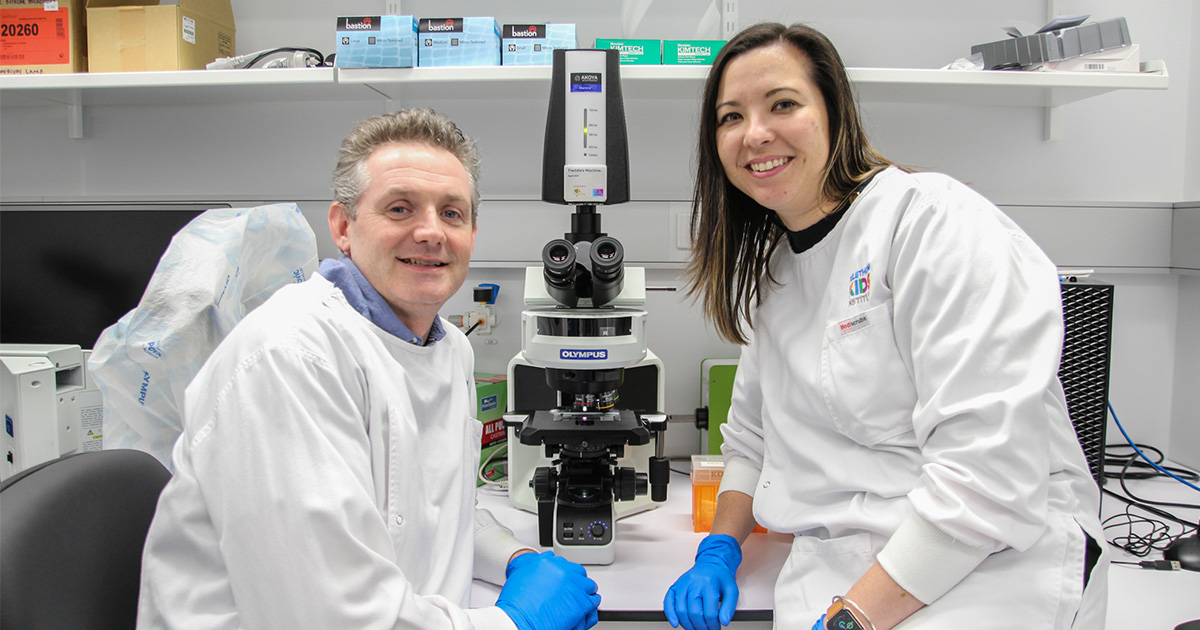
The WA Kids Cancer Centre has secured $1.1 million in funding from the Medical Research Future Fund’s (MRFF) Paediatric Brain Cancer Research Stream 2 to develop more effective and less toxic treatments for rare brain cancers in infants.
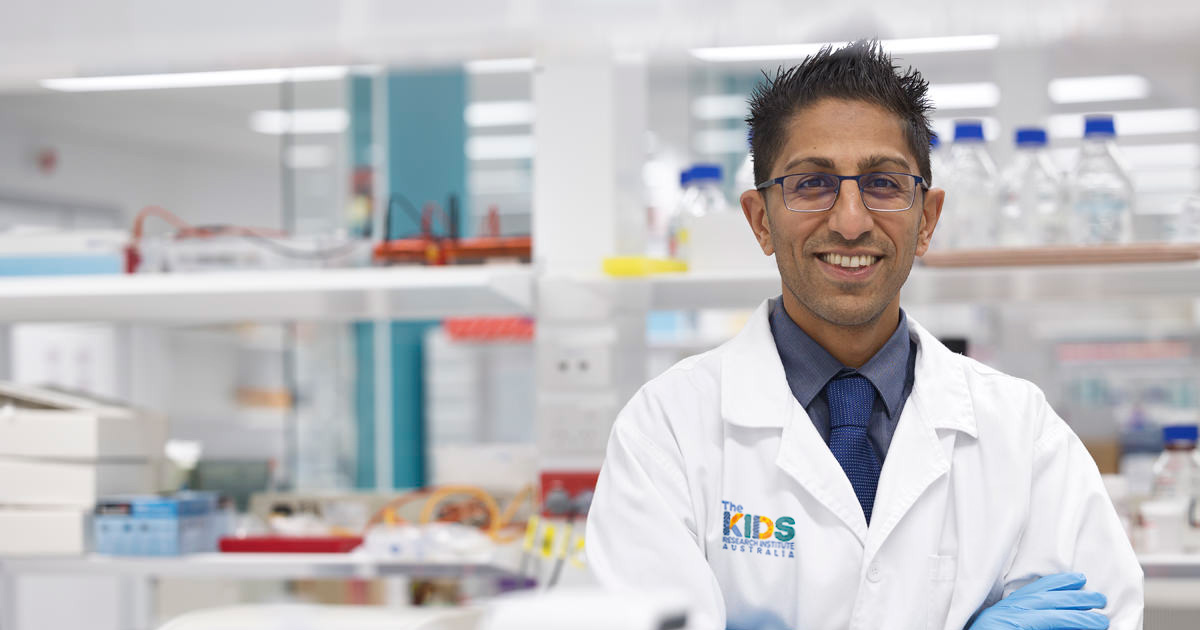
Associate Professor Rishi Kotecha, Co-Head of Leukaemia Translational Research at The Kids Research Institute Australia Cancer Centre and Consultant Paediatric Oncologist at Perth Children's Hospital, has been named Cancer Council WA’s 2024 Cancer Researcher of the Year.
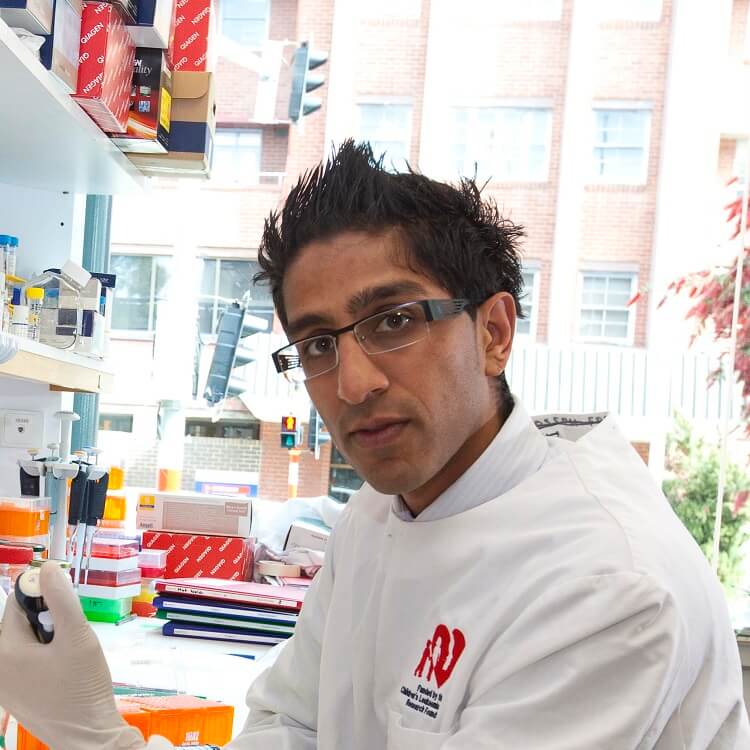
The Australian arm of an international clinical trial looking at improved treatments for young babies with leukaemia has been awarded funding from the MRFF.

Four The Kids Research Institute Australia researchers are among those who have received funding in the WA State Government's Merit Award Program announced today.
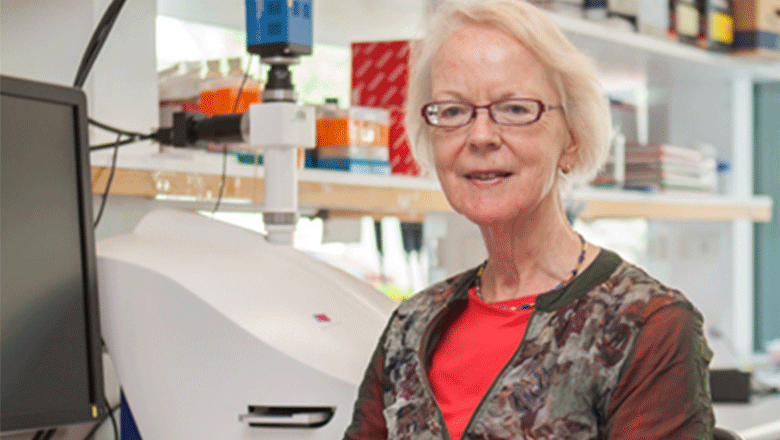
Researchers at The Kids Research Institute Australia have discovered a new drug combination that could help improve survival rates for babies with leukaemia.

Congratulations to three The Kids Research Institute Australia researchers, who have been awarded funding from the Raine Medical Research Foundation.
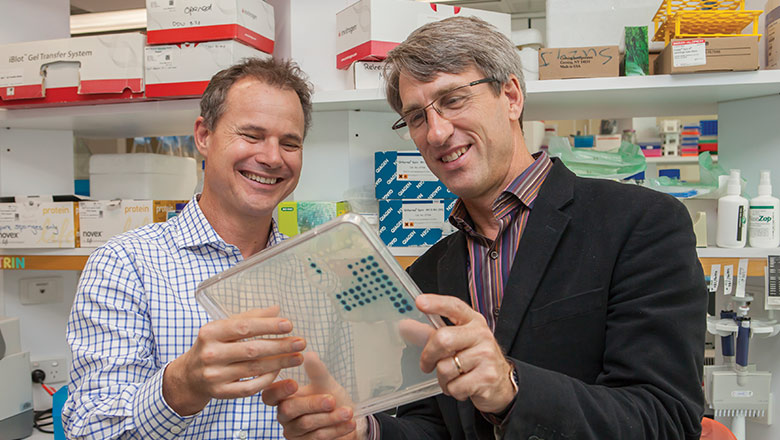
The Drug Discovery Unit has been finding ways for smart drugs to penetrate deep into cells and attacking their disease targets while causing fewer side effects
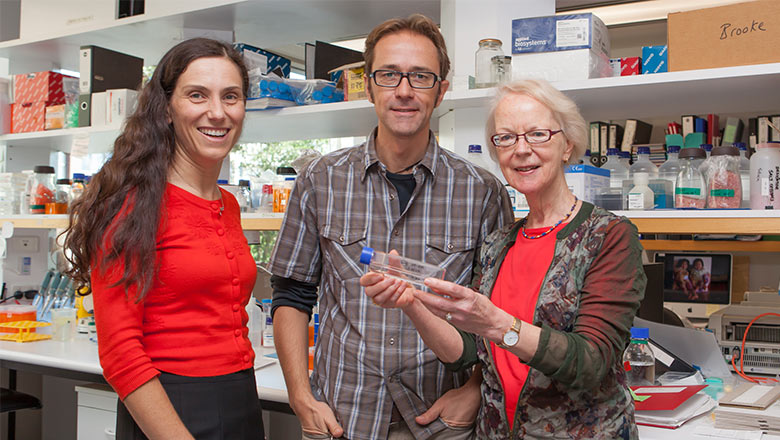
It is now known that the HOX11 gene is permanently activated in the leukaemia cells and it drives the disease.