
Search
To prevent and manage students' cyberbullying, school staff must be aware of this behavior, be able to recognize it, and respond appropriately and skilfully.

Anti-bullying organisation Dolly’s Dream has partnered with The Kids Research Institute Australia to get Beacon, the free cyber safety app, into the hands of parents and carers across the nation.
Our aim was to study was to investigate how negative peer interactions on/offline are associated with each and with other daily interactions among adolescents.
This chapter describes a whole-school cyberbullying intervention developed and evaluated in Western Australia with secondary school students aged 13–18 years old
Researchers' understanding of bystanders' perspectives in the cyber-environment fails to take young people's perceptions into account and remains imperfect.
Opinions of employees from the education and legal systems, regarding their perceptions of the role of the law and cyberbullying in Australian schools
Bullying is now regarded as a health problem and not just a disciplinary problem. Increasing evidence shows both traditional bullying (e.g. hitting, teasing) and cyberbullying have lasting effects on young people (both those who bully and those who are bullied), including damage to self-esteem, academic results and mental health.
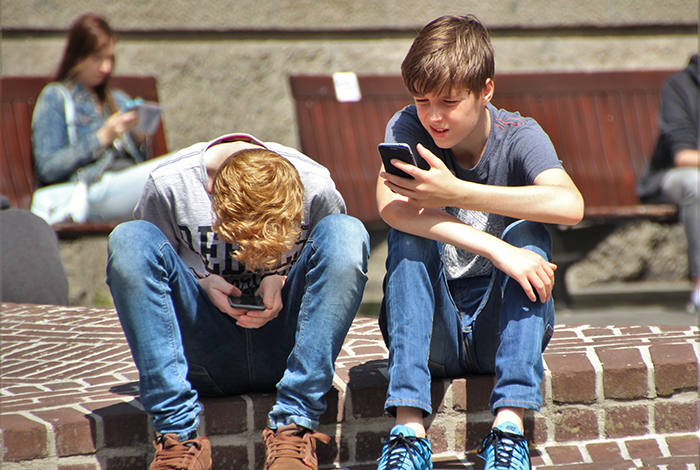
The Kids Research Institute Australia cyber safety expert Professor Donna Cross says parents should use the ‘three C’s’ to help keep their children safe online.
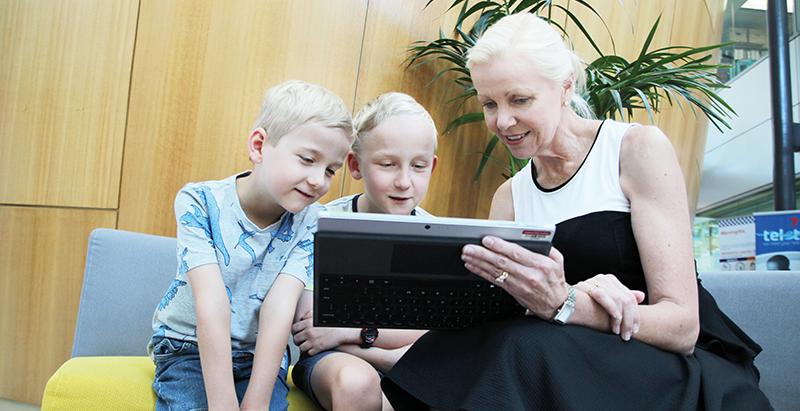
Schools from around the globe have turned to The Kids Research Institute Australia, seeking access to invaluable lessons learned from Australian students on how to effectively reduce harm from cyberbullying.
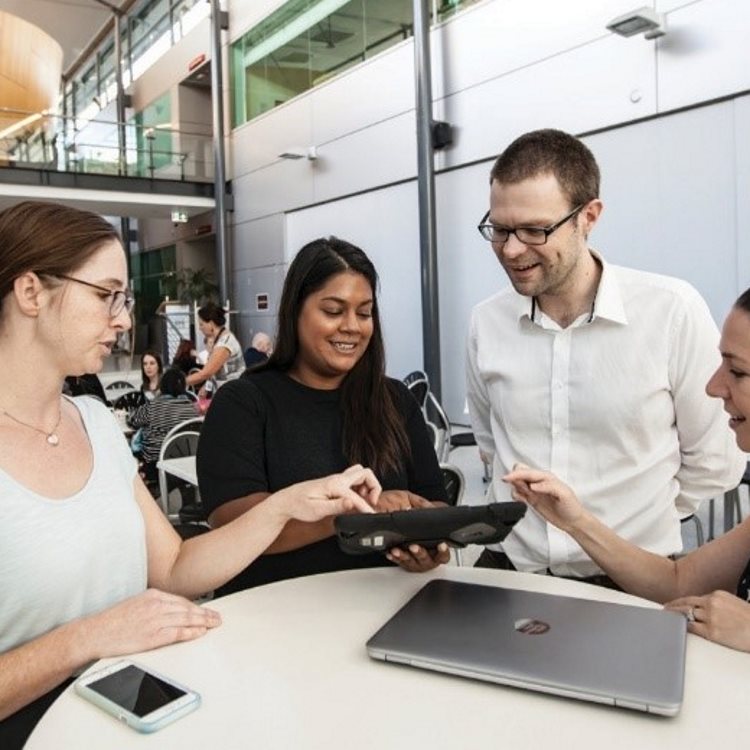
Researchers at The Kids are harnessing the power of apps and other online tools to ensure the results of their research reach those who need it most – children, young people and families.