
Search
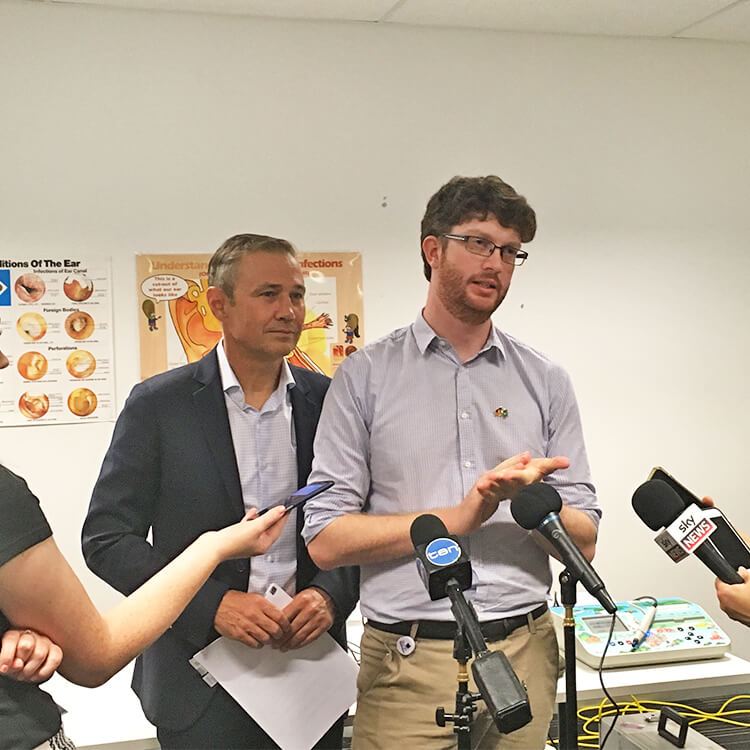
Wait times for Aboriginal children suffering ear infections could be reduced to less than four weeks thanks to a new The Kids Research Institute Australia research project
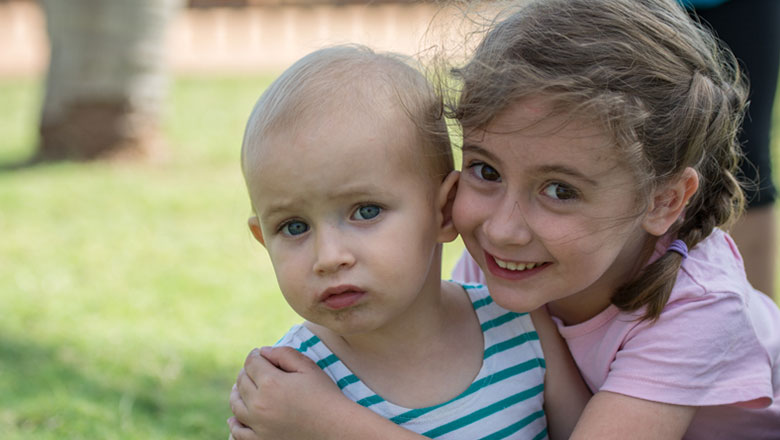
Consumers and community members are invited to join us to provide input into our childhood infectious diseases research.
Latest news & events at the Wesfarmers Centre of Vaccines & Infectious Diseases.
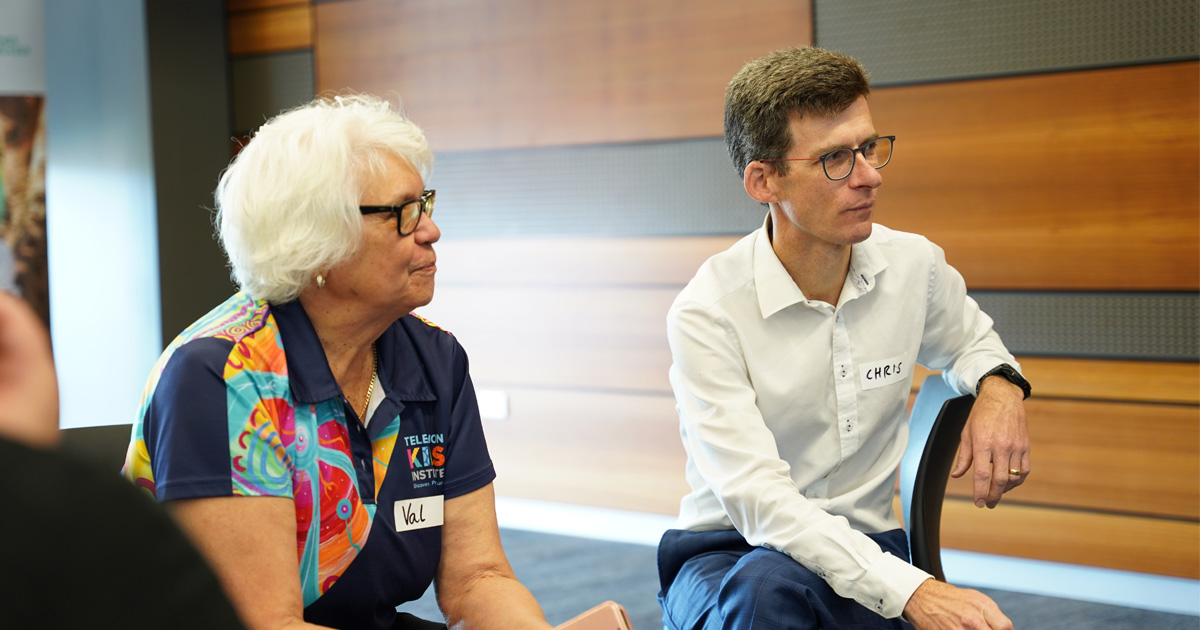
Researchers from the Wesfarmers Centre of Vaccines and Infectious Diseases at The Kids Research Institute Australia have shared their expertise with the community in Cockburn, covering topics ranging from respiratory disease in babies to recurring ear infections in kids.
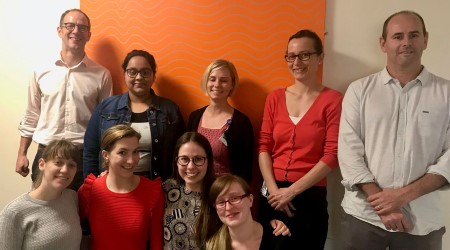
Clinical Professor Tobias Strunk, Dr Andrew Currie and their Neonatal Infection and Immunity Team have become the newest members of the Wesfarmers Centre of Vaccines and Infectious Diseases.
We investigated predictors of nasopharyngeal carriage in Australian Aboriginal and non-Aboriginal children.
Otitis media (OM) is among the most common illnesses of early childhood, characterised by the presence of inflammation in the middle ear cavity...
Are you listening? The inaugural OMOZ Workshop - towards a better understanding of otitis media
To investigate antimicrobial susceptibility of Moraxella catarrhalis isolated from a cohort of children being followed in a study of the natural history of OM
Otitis media is a common childhood illness associated with hearing loss, social disadvantage and medical costs. Prevalence and severity are high among...