
Search
Recent evidence indicates that a child’s home learning environment is the strongest predictor of success in later reading abilities and that for children not receiving structured language and reading support at home.
Yasmin Harman-Smith BA, BHlthSc(Hons), MTeach(Primary), PhD Head, Early Years Systems Evidence Yasmin.harman-smith@thekids.org.au Head, Early Years
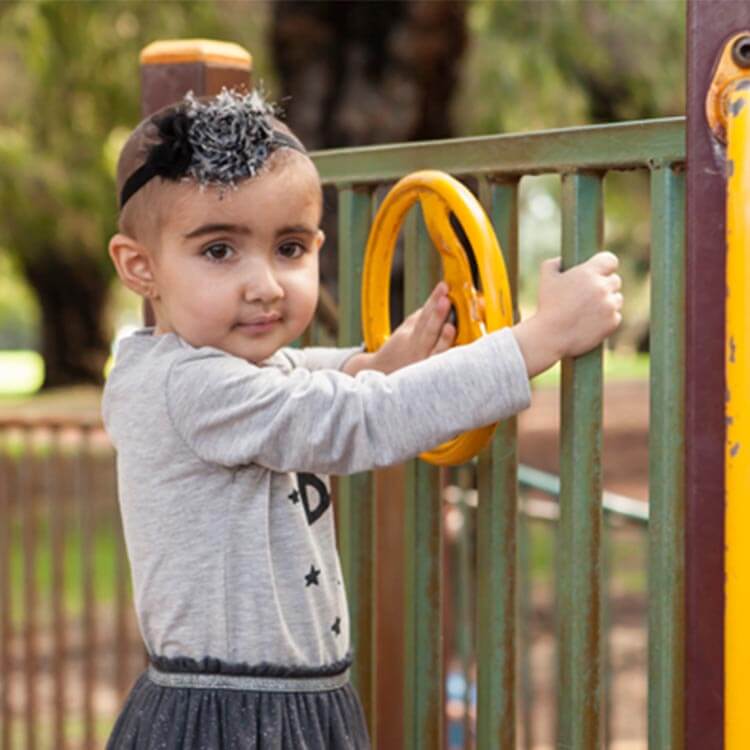
This evaluation explored the facilitators & barriers that influence Community Playgroup attendance, and the impact of attending playgroups on child development.
This project uses longitudinal population data provided through the Developmental Pathways in WA Children Project (Developmental Pathways Project).
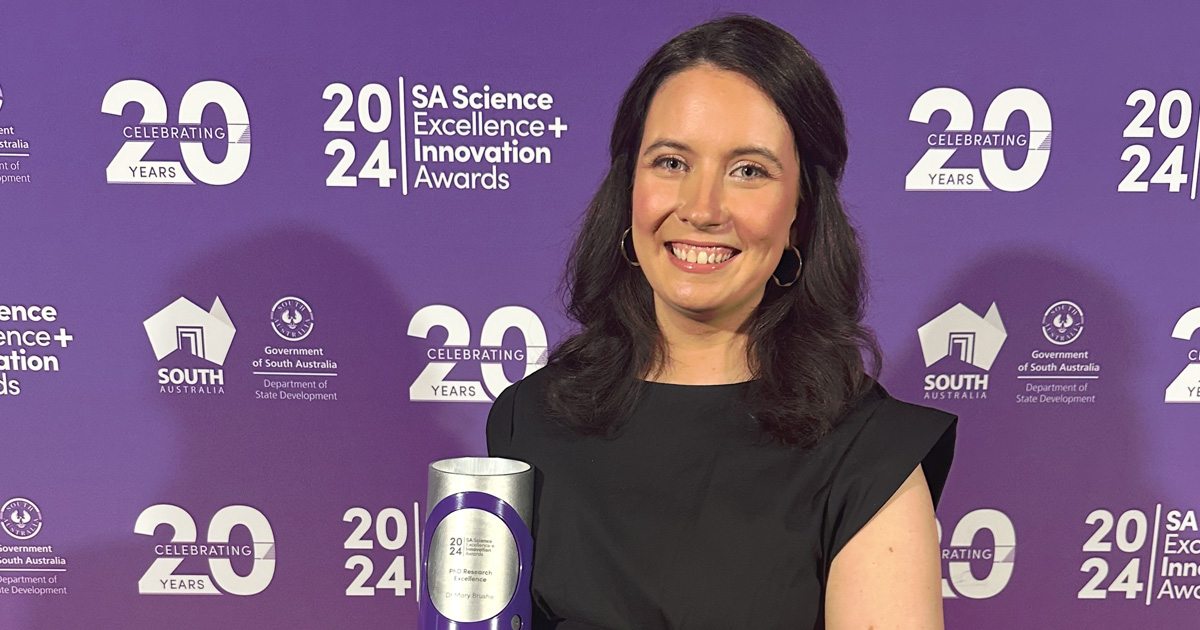
An early childhood researcher based at The Kids Research Institute Australia’s Adelaide office has been honoured at South Australia’s Science Excellence and Innovation Awards for her work revealing the link between screen time exposure and toddlers’ language development.
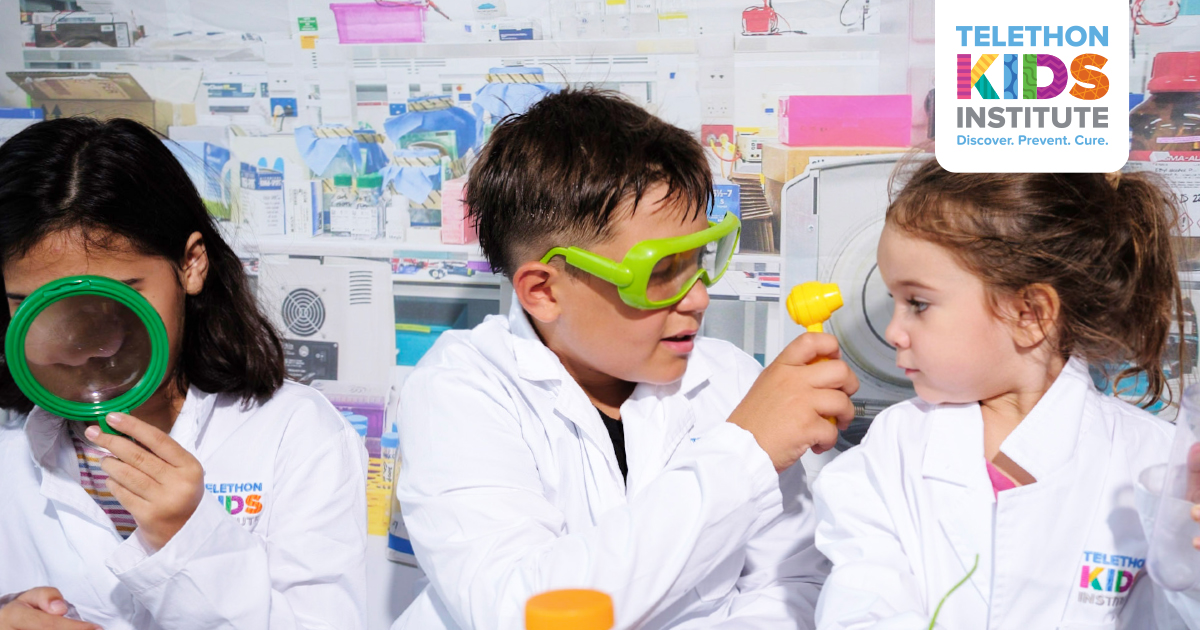
The Kids Research Institute Australia is bringing science to the Kimberley, with a series of free activities for children and families in Broome in the leadup to National Science Week.
Colab’s new Bright Tomorrows parent app is helping families across Australia give their young children the best developmental start in life.
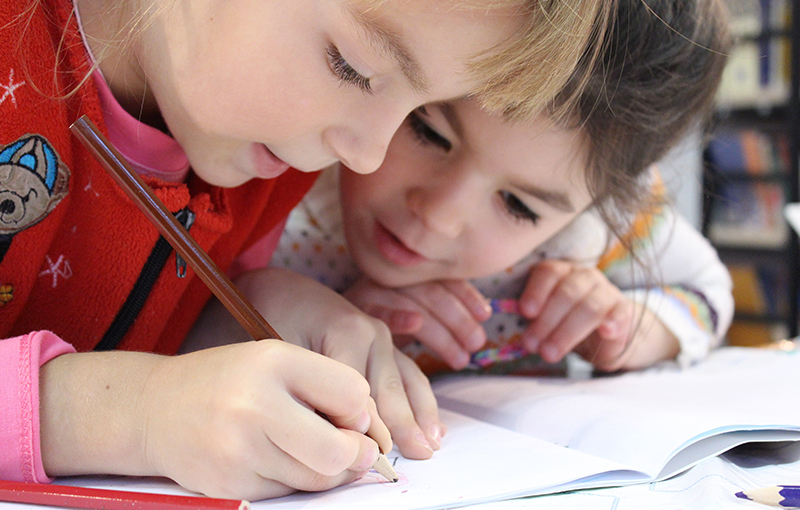
A new study by researchers at The Kids Research Institute Australia has found there is a bigger picture to consider when determining whether a child is ready to start school.
Western Australia and Queensland are leading the nation when it comes to ensuring children have a good start at school, according to a study by researchers at The Kids Research Institute Australia.
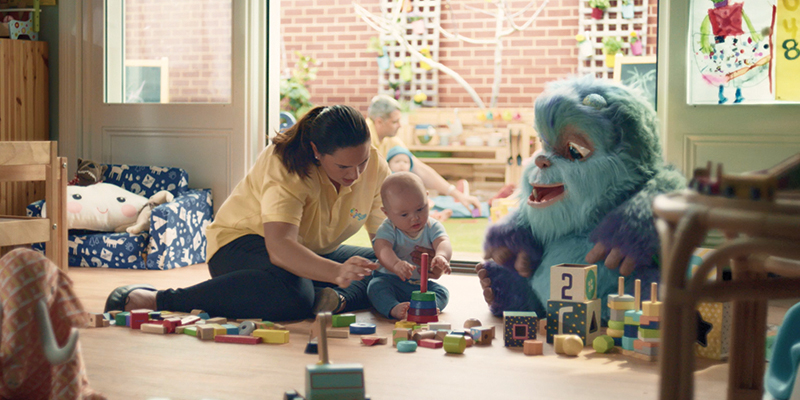
A lovable blue creature by the name of Bobbie has won the hearts and minds of Western Australians.