
Search
Children are particularly vulnerable to air pollution, but the effects of early life exposure to acute, high-intensity pollution on later lung function remain poorly understood. We assessed the association between prenatal or infant exposure to fire-related fine particulate matter (PM2.5) from a six-week coal mine fire and subsequent lung function.
Functional studies of how early-life interventions shape the airway microbiome remain scarce. Here, we performed metagenomic sequencing of 704 longitudinal nasal swabs from infants with and without cystic fibrosis (CF) to construct and characterize a non-redundant gene atlas of the infant nasal microbiome. We aimed to determine how the nasal microbiome is perturbed by early therapies, as CF is commonly treated with inhaled hypertonic saline to improve mucociliary clearance.
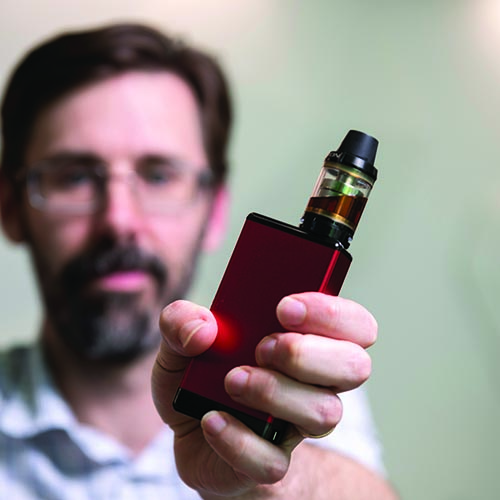
Research into the potential health impacts of vaping is starting to back up concerns that electronic cigarettes (e-cigarettes) are not as benign as many people think.
This prospective, longitudinal cohort study will examine airway sputum, lung function, and clinical surveillance data of children with bronchiectasis attending Perth Children’s Hospital.
This research project will investigate the traits of preterm lung disease, looking into the long-term lung health of children born preterm, aiming to identify traits that could help guide better treatments in the future.
The PELICAN (Prematurity’s Effects on the Lungs in Children and Adults Network) Clinical Research Collaboration was launched by the European Respiratory Society (ERS) in 2020

A lung function study carried out by Dr Shannon Simpson provided the most comprehensive follow-up of very pre-term children of any study so far carried out on the lung health of this vulnerable group.
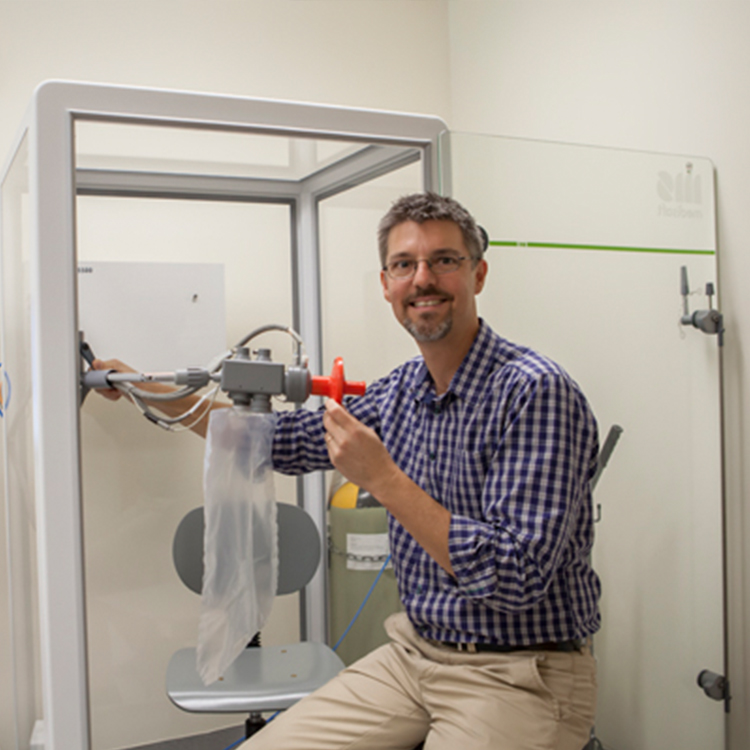
A global research network has taken another step towards standardising the way doctors interpret commonly used lung function tests.
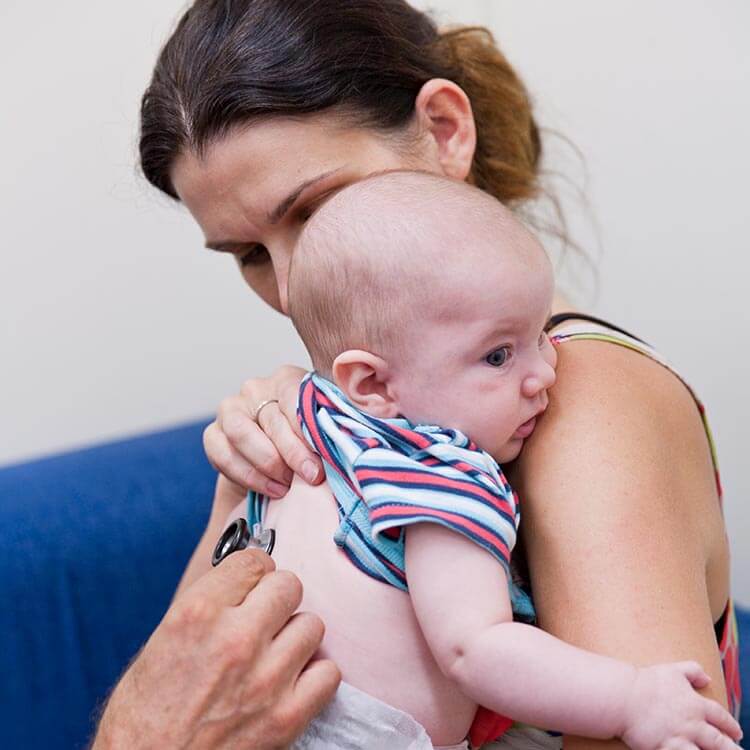
A groundbreaking WA trial, published in The Lancet, has determined that a laryngeal mask for babies is preferred over endotracheal tube during minor surgeries
This study aimed to determine how pulmonary inflammation & infection impacts on ventilation distribution throughout early life in people with cystic fibrosis.