
Search
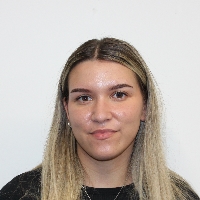
Jaida Penny is an Indigenous Research Assistant with the Early Neurodevelopment and Mental Health team at The Kids Research Institute Australia.

Playful parenting is engaging & connecting with your child through different forms of play. Play is an enjoyable activity that is freely entered into, with a goal of shared joy.

Secure attachments help children build resilience, self-worth, emotion regulation skills and healthy relationships.
Many children and their families, especially those from priority populations, experience barriers to accessing high-quality early childhood health, education, social and legal services. Further, these families are often under-represented in service planning and research; hence innovations are not designed to meet their needs. Our aim is to codesign with families and the wider community, a Strength-based, Tiered, Accessible Resources and Supports for Kids (STARS for Kids) programme to optimise child development, parental mental well-being, and family psychosocial needs in the first 2000 days from pregnancy to start of school
Physical activity can support physical and mental health among children living with chronic health conditions; however, programmes must be tailored to their specific needs to support participation.
Meaningful involvement of young People with Lived Experience (PWLE) in co-designing youth mental health interventions has been much emphasized globally. However, there is a scarcity of evidence on involving PWLE of mental health problems in designing, implementing and evaluating mental health interventions, especially in Low- and Middle-Income Countries.
Physical activity improves physical and psychosocial outcomes in healthy children and in children with a range of chronic health conditions. Unfortunately, children with chronic health conditions have lower levels of physical activity compared to their healthy peers due to multiple restrictions in physical activities and therefore tend to have lower levels of physical activity compared with their peers. This paper describes the protocol for Move to Improve, a pragmatic trial of an individualised physical activity intervention for children with chronic health conditions.
The Australian Guide to the Diagnosis of fetal alcohol spectrum disorder (FASD), developed in 2016, is currently under review. This study aimed to understand how the Guide is used in practice and identify factors influencing its implementation.
There is growing interest in how and why individuals adjust their goals in response to difficulties encountered during goal striving and the outcomes of such adjustments; however, research on these topics is fragmented across theoretical perspectives and life domains.
The aim of this study was to identify and prioritise the ten most important unanswered themes in rare disease research in Australia by integrating perspectives of key stakeholders, including people living with rare disease, parents/carers, health professionals, and rare disease community advocates.