
Search
SARS-CoV-2 infection rapidly spreads in populations due to the high rates of community transmission. Interrupting the shedding of SARS-CoV-2 may reduce the incidence of Coronavirus Disease 19 (COVID-19).
Alexander Larcombe BScEnv (Hons) PhD Honorary Research Fellow Honorary Research Fellow Associate Professor Alexander Larcombe began work at The Kids
Asthma is the most common chronic lung disease in childhood. There has been a significant worldwide effort to develop tools/methods to identify children's risk for asthma as early as possible for preventative and early management strategies. Unfortunately, most childhood asthma prediction tools using conventional statistical models have modest accuracy, sensitivity, and positive predictive value.
The study of the respiratory microbiota has revealed that the lungs of healthy and diseased individuals harbour distinct microbial communities. Imbalances in these communities can contribute to the pathogenesis of lung disease. How these imbalances occur and establish is largely unknown. This review is focused on the genetically inherited condition of Cystic Fibrosis.
Cystic fibrosis (CF) is characterized by small airway disease; but central airways may also be affected. We hypothesized that airway resistance estimated from computational fluid dynamic (CFD) methodology in infants with CF was higher than controls and that early airway inflammation in infants with CF is associated with airway resistance.
Antimicrobial resistance poses a significant threat to modern healthcare as it limits treatment options for bacterial infections, particularly impacting those with chronic conditions such as cystic fibrosis (CF). Viscous mucus accumulation in the lungs of individuals genetically predisposed to CF leads to recurrent bacterial infections, necessitating prolonged antimicrobial chemotherapy. Pseudomonas aeruginosa infections are the predominant driver of CF lung disease, and airway isolates are frequently resistant to multiple antimicrobials.
Chronic wet cough in children is the hallmark symptom of protracted bacterial bronchitis (PBB) and if left untreated can lead to bronchiectasis, which is prevalent in Indigenous populations. Underrecognition of chronic wet cough by parents and clinicians and underdiagnosis of PBB by clinicians are known.
Pulmonary exacerbations in cystic fibrosis are characterized by airway inflammation and may cause irreversible lung damage. Early identification of such exacerbations may facilitate early initiation of treatment, thereby potentially reducing long-term morbidity. Research question: Is it possible to predict pulmonary exacerbations in children with cystic fibrosis, using inflammatory markers obtained from BAL fluid?
In recent years the study of the commensal microbiota is driving a remarkable paradigm shift in our understanding of human physiology. However, intrinsic technical difficulties associated with investigating the Microbiomics of some body niches are hampering the development of new knowledge. This is particularly the case when investigating the functional role played by the human microbiota in modulating the physiology of key organ systems. A major hurdle in investigating specific Microbiome communities is linked to low bacterial density and susceptibility to bias caused by environmental contamination.
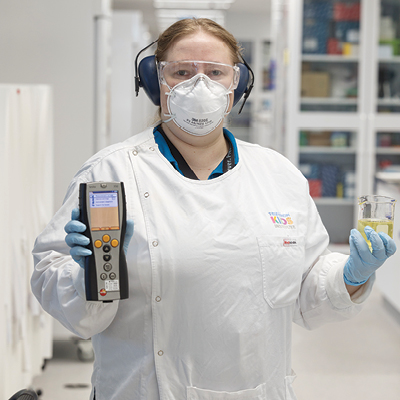
In a world being urged to embrace renewable options, biodiesel fuels are increasingly being touted as a greener, cleaner choice than traditional diesel.