
Search
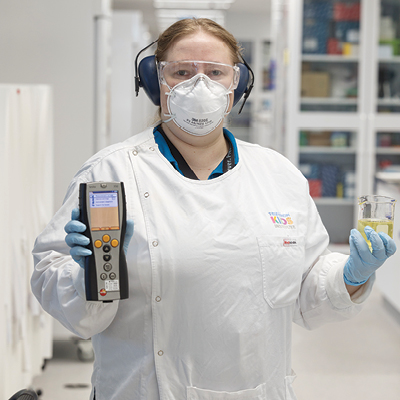
In a world being urged to embrace renewable options, biodiesel fuels are increasingly being touted as a greener, cleaner choice than traditional diesel.
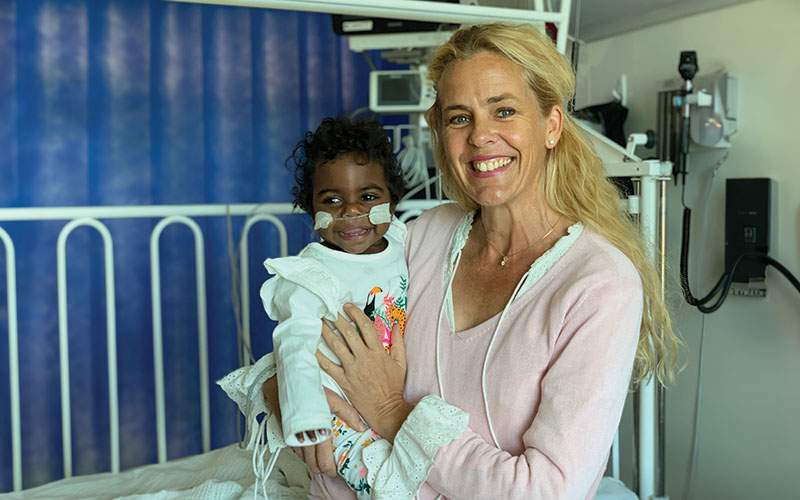
Culturally secure intervention to facilitate medical follow up for Aboriginal children, after being hospitalised with chest infections, have proven to improve long-term lung health outcomes.

A public health campaign to raise awareness about the dangers of chronic wet cough in Aboriginal children is helping to improve detection, diagnosis and management of the condition.
Limited evidence suggests that airway epithelial structure and function is disrupted in very preterm infants; however, the epithelial morphology and physiology has not been well characterised following discharge from neonatal intensive care. This study aimed to characterise the nasal airway epithelium from 1-year-old survivors of very preterm birth.
Amniotic epithelial cells are fetal-derived stem cells, capable of differentiating into all three germ layers, including mature epithelial cell populations. Here, we hypothesised that the amniotic epithelium might serve as a surrogate tissue source for investigating transcriptional profiles in the respiratory epithelium of newborns.
Despite a high burden of respiratory disease among infants globally, limited options exist for lung function testing in this age group. Tidal breathing techniques such as oscillometry allow for understanding the pathophysiology of diseases that originate early in life, thus providing the opportunity to develop timely prevention and treatment strategies.
Electronic cigarettes (e-cigarettes) are often perceived to be a less harmful alternative to tobacco cigarettes. Potentially due to this perception, they are used by people with pre-existing respiratory conditions, such as asthma, who otherwise would not smoke. Despite this, there are few studies exploring the health effects of e-cigarette use on pre-existing asthma.
Mycobacteroides abscessus (MABS) is within the non-tuberculous mycobacteria family. It inhabits soil and water, exhibits multi-antibiotic resistance and causes opportunistic lung infections, which may progress to symptomatic MABS-pulmonary disease (MABS-PD) associated with substantial morbidity, increased healthcare utilisation, impaired quality of life and increased mortality.
Dibothriocephalus nihonkaiensis is a zoonotic tapeworm transmitted to humans through consumption of raw or undercooked fish or wild meat. Between 2022 and 2023, Yamagata Prefecture reported an increase in cases compared with 2017-2021, when none were observed. We conducted a clinical and environmental investigation to clarify infection sources.
Multiple breath washout is a lung function test based on tidal breathing that assesses lung volume and ventilation distribution. The aim of this analysis was to use the Global Lung Function Initiative methodology to develop all-age reference equations for the multiple breath washout indices lung clearance index and functional residual capacity.