
Search
Developmental language disorder (DLD) is one of the most common neurodevelopmental conditions. Due to variable rates of language growth in children under 5 years, the early identification of children with DLD is challenging. Early indicators are often outlined by speech pathology regulatory bodies and other developmental services as evidence to empower caregivers in the early identification of DLD.
This study examined whether parent-reported atypical development in their child's first year was associated with age of diagnosis and age when parents first needed to consult a specialist about their child's development.
Prenatal alcohol exposure (PAE) contributes to widespread neurodevelopmental challenges, including reading, and has been associated with altered white matter. Here, we aimed to investigate whether arcuate fasciculus development is associated with pre-reading language skills in young children with PAE.
There is now good evidence that behavioural signs of autism spectrum conditions (autism) emerge over the first two years of life. Identifying clear developmental differences early in life may facilitate earlier identification and intervention that can promote longer-term quality of life. Here we present a systematic review of studies investigating behavioural markers of later autism diagnosis or symptomology taken at 0-6 months.
This article describes the development of a Model of Care resource to support youth involved with the justice system where a neurodevelopmental disability such as Fetal Alcohol Spectrum Disorder is suspected. Service staff within the Youth Justice sector were engaged in an iterative process of resource development over a 9-month period.
The aim of the present study was to compare scale and conditional reliability derived from item response theory analyses among the most commonly used, as well as several newly developed, observation, interview, and parent-report autism instruments.

Principal Research Fellow

Maretta Mann, Research Development Manager
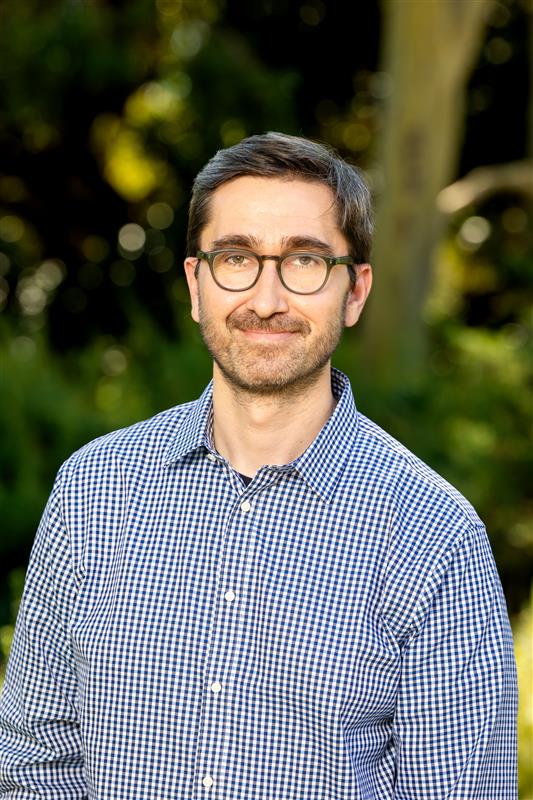
Mirko is a medically trained research-focused academic with a background in developmental psychology, psychometrics, and big data science. His research takes a life-span perspective and is driven by the urgent need to improve outcomes for people on the autism spectrum and with other neurodevelopmental and neuropsy

Senior Research Fellow