
Search

DiabHQ Project Manager; Data Theme Lead

Co-director of Children’s Diabetes Centre

Researchers will work with Aboriginal & Torres Strait Islander women in SA to devise better ways to care for women at risk of pregnancy complications caused by diabetes and cardiovascular disease.
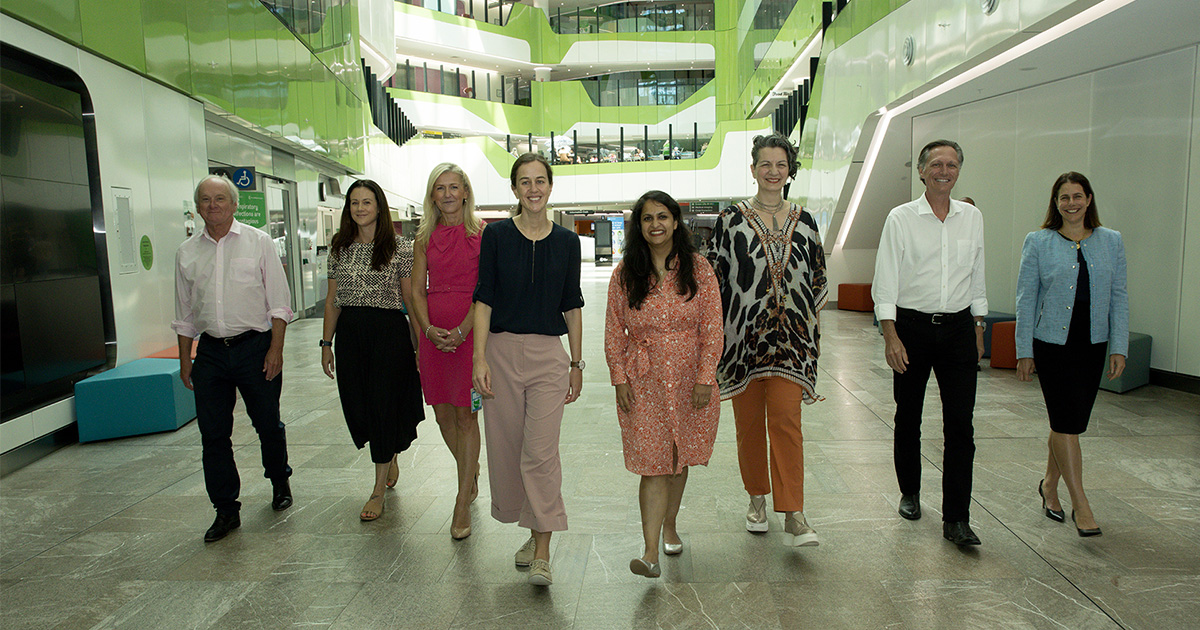
Two outstanding Perth Children’s Hospital clinicians will be supported to pursue a career in medical research, paving the way for more clinician-scientists in Western Australia.

Professor Liz Davis reveals five things you might not know about type 1 diabetes.

"This system definitely helped with my diabetes management, especially overnight, and helped to keep my blood sugars as stable as possible which was fantastic,"
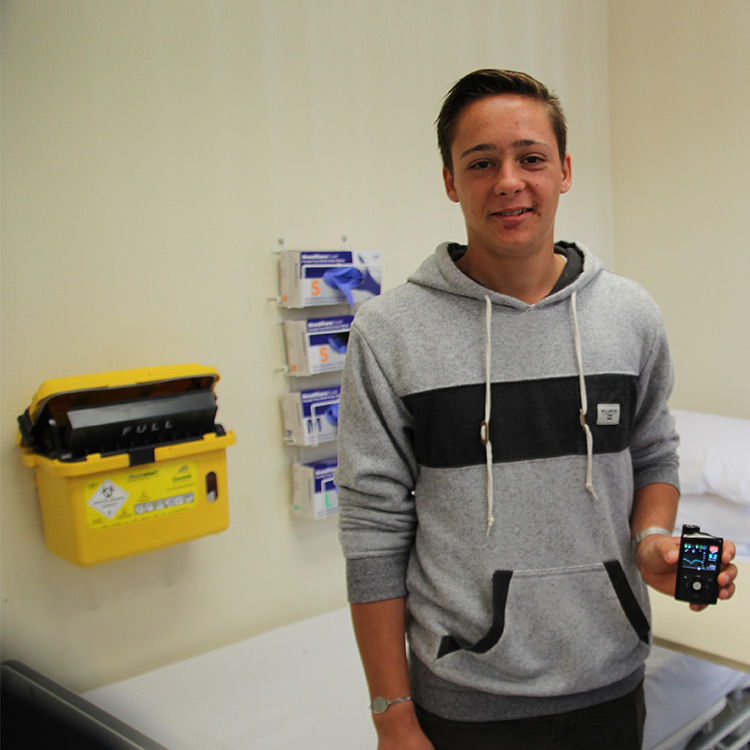
The Children’s Diabetes Centre at The Kids Research Institute Australia is leading the longest and largest at-home trial of a hybrid closed-loop insulin pump system.
There are limited methods to assess how dietary patterns adhere to a healthy and sustainable diet. The aim of this study was to develop a theoretically derived Healthy and Sustainable Diet Index.
Hybrid closed-loop (HCL) therapy is an efficacious management strategy for young people with type 1 diabetes. However, high costs prevent equitable access. We thus sought to evaluate the cost-effectiveness of HCL therapy compared with current care among young people with type 1 diabetes in Australia.
We determined whether metabolic syndrome (MetS) and the increasing number of its components influenced the resting energy expenditure (REE).