
Search
Early in the coronavirus disease 2019 (COVID-19) pandemic, evidence emerged that individuals with chronic and immunocompromising conditions faced increased risk of severe infection, including death. The Australian Government and public health authorities prioritised these citizens' access to vaccines, including them in phase 1b of the rollout from 22 March 2021.
Bacille Calmette-Guérin (BCG) vaccine has immunomodulatory effects that may provide protection against unrelated infectious diseases. We aimed to determine whether BCG vaccination protects adults against COVID-19.
The Australian and New Zealand Paediatric Infectious Diseases (ANZPID) Group of the Australasian Society for Infectious Diseases (ASID) calls for urgent consideration of the needs and voices of children in response to the COVID-19 pandemic, and in planning for future pandemics.
Following reduction of public health and social measures concurrent with SARS-CoV-2 Omicron emergence in late 2021 in Australia, COVID-19 case notification rates rose rapidly. As rates of direct viral testing and reporting dropped, true infection rates were most likely to be underestimated.
Some individuals have a persistence of symptoms following both COVID-19 (post-acute COVID-19 syndrome; PACS) and other viral infections. This study used prospectively collected data from an international trial to compare symptoms following COVID-19 and non-COVID-19 respiratory illness, to identify factors associated with the risk of PACS, and to explore symptom patterns before and after COVID-19 and non-COVID-19 respiratory illnesses.
Vaccination scholarship focuses on how privilege, individualized choice and ‘intensive’ and ‘natural’ parenthood – often motherhood – lead people to delay or not vaccinate their children. Recently, examining parents’ vaccination responsibilities – and the inequalities in paid employment and unpaid care work underpinning them – has become important to understand COVID-19.
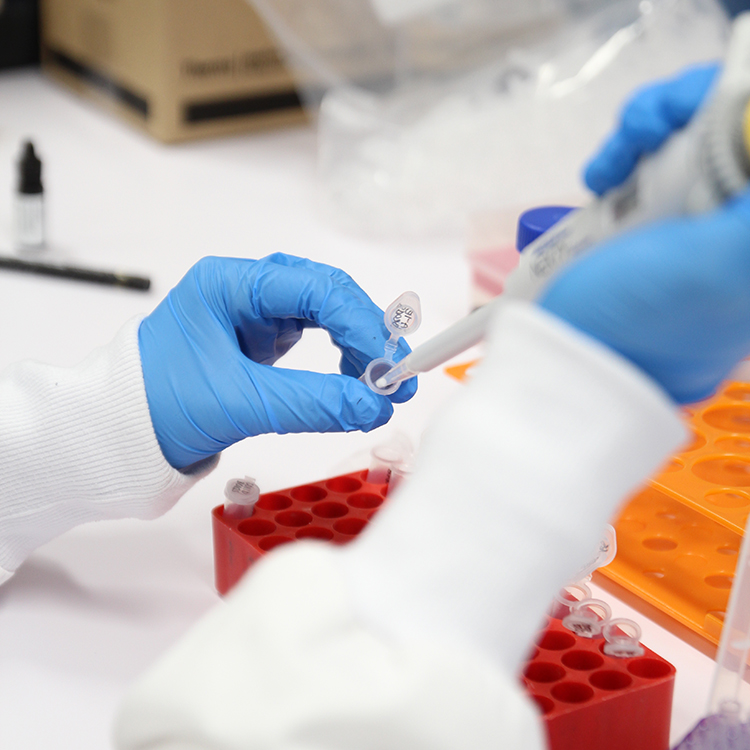
Thanks to 30 years of support from the WA community, The Kids Research Institute Australia is home to some of the world’s best researchers.

Here’s what we know so far about the impact of COVID-19 on children.
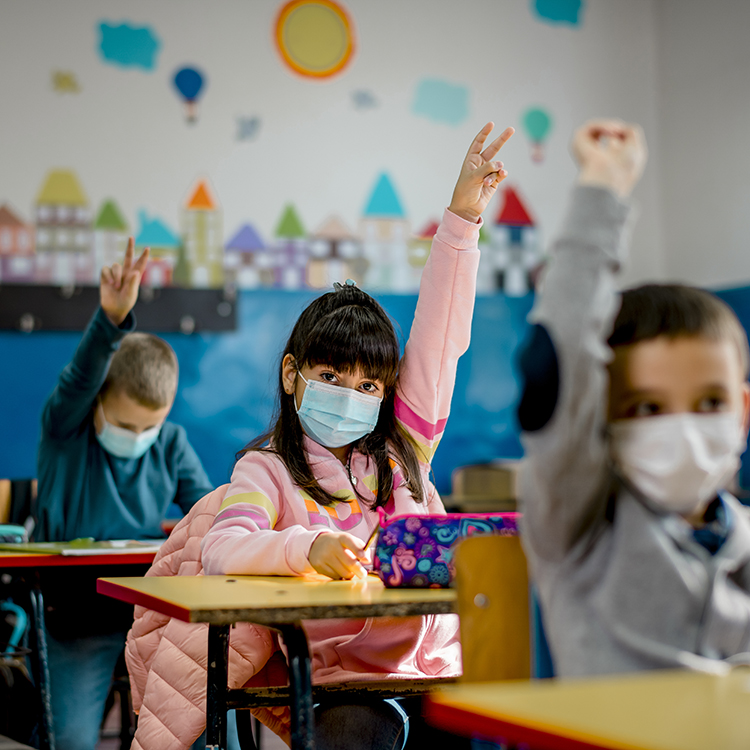
With the number of COVID-19 infections in Western Australia continuing to grow – including confirmed cases in children – The Kids Research Institute Australia understands that our community is growing increasingly worried.
The Kids Research Institute Australia answers all of your questions about vaccines and children