
Search
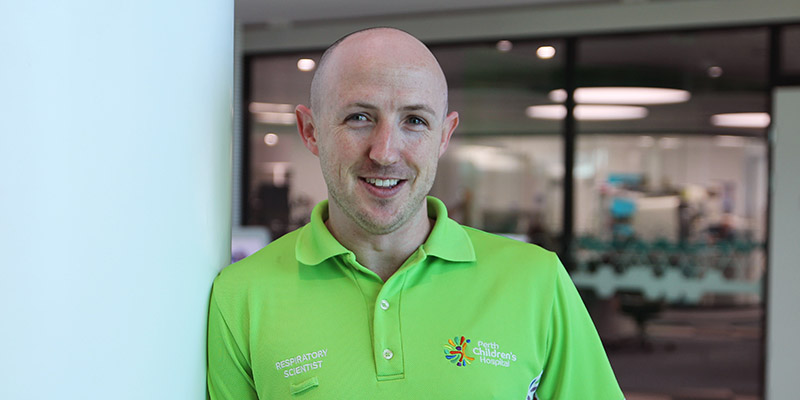
Parents of children born prematurely have expressed concerns about their child’s lung health when they exercise, with symptoms such as breathlessness.
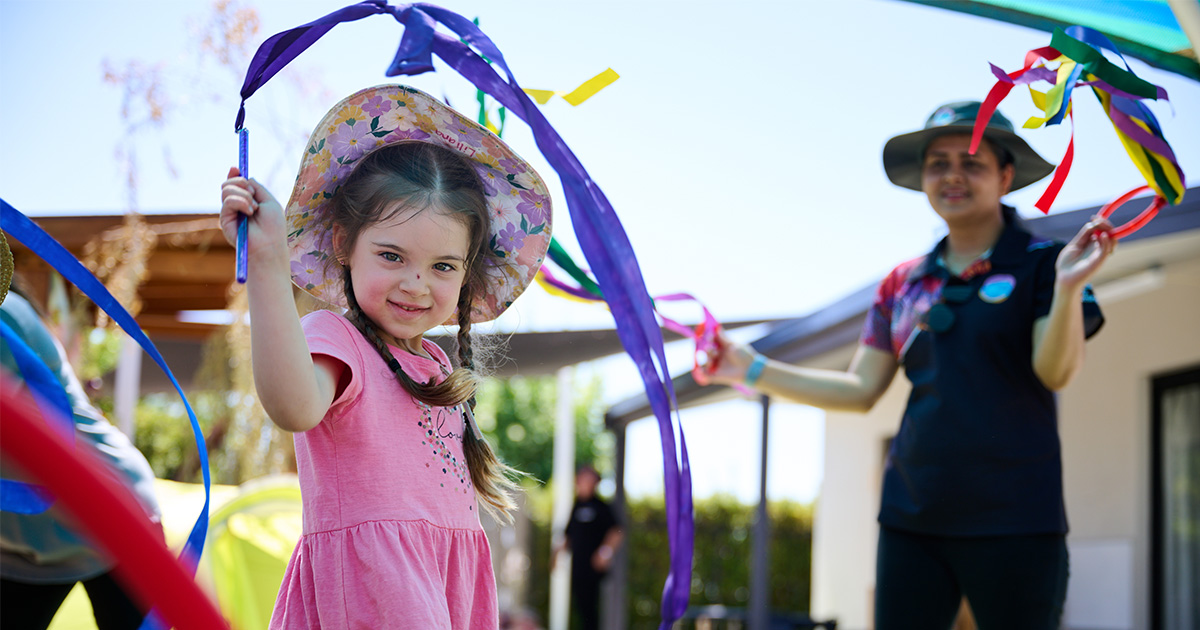
More than 80,000 Australian children are expected to benefit as 700 childcare centres across the country trial a new program aimed at boosting declining physical activity levels.

The Kids Research Institute Australia and The University of Western Australia researchers have been awarded more than $1 million in funding from Healthway, for projects to improve the mental health of LGBTQA+ young people, encourage early physical activity in childcare centres and create healthier local environme
This study adds to the current literature by using a novel device-based method to explore where preschool children are physically active outside of home and childcare settings. This study combined accelerometry with geospatial data to explore the influence of the environment on preschool children's physical activity by objectively identifying the locations where preschool children engage in moderate to vigorous physical activity (MVPA) within and outside of their neighborhood.
Patients with cardiovascular disease benefit from cardiac rehabilitation, which includes structured exercise and physical activity as core components. This position statement provides pragmatic, evidence-based guidance for the assessment and prescription of exercise and physical activity for cardiac rehabilitation clinicians, recognising the latest international guidelines, scientific evidence and the increasing use of technology and virtual delivery methods.
Physical activity is crucial for young children's health and development. Many young children do not meet the recommended 3 hours of daily physical activity, including 60 min of energetic play. Early childhood education and care (ECEC/childcare) is a key setting to intervene to improve children's physical activity. The Play Active programme is a scalable evidence-informed ECEC-specific physical activity policy intervention with implementation support strategies to improve educators' physical activity-related practices.
Promoting healthy eating and physical activity in early childhood education and care is recommended within guidelines and supported by health promotion programs; however, implementation is suboptimal. Evidence suggests implementation within the sector varies over time; however, this has not been empirically examined in relation to implementation barriers.
Mental health concerns present significant challenges for Australian youth. Arts organizations play a key role in promoting preventative mental health strate-gies through enhancing the social and emotional well-being (SEWB) of youth. However, little is known about how the arts promote SEWB and the processes and contexts through which this occurs.
Many young people are exposed to risk factors that increase their risk of mental illness. Physical activity provision is an increasingly popular approach to protect against mental illness in the face of these risk factors. We examined the effectiveness of physical activity interventions for the promotion of mental health outcomes in at-risk children and adolescents.
The objective of this study was to explore Australian children's engagement in physical activity and screen time while being cared for by their grandparents.