
Search
Preemptive pharmacogenomic (PGx) testing in pediatric oncology patients could reduce toxicity and improve efficacy of medications yet remains underutilized. Consumer identified implementation barriers have not been extensively explored nor included adolescent or young adult (AYA) patient perspectives. This study describes Australian pediatric oncology consumer perspectives on PGx testing, elucidating barriers to implementation.
The investigation of ovarian development, dysfunction, and aging is essential for female reproductive health. Despite extensive research on the cellular functions of Brefeldin A (BFA) as an intracellular transport inhibitor, its specific effects and mechanisms on ovarian development/aging remain inadequately understood.
Risk factors for non-communicable diseases (NCDs, cardiovascular diseases, cancers, chronic respiratory diseases, diabetes, and mental disorders) arise in adolescence but are mostly framed as relevant to health in adulthood; little is known about the relationship between co-occurring NCD risks and mental wellbeing in young people.
Mesothelioma is a lethal cancer. Despite promising outcomes associated with immunotherapy, durable responses remain restricted to a minority of patients, highlighting the need for improved strategies that better predict outcome. Here, we described the development of a mesothelioma-specific gene signature that accurately predicts survival.
Aboriginal and Torres Strait Islander (Aboriginal) people in South Australia are overburdened by cardiovascular disease, diabetes and cancer. The South Australian Aboriginal Chronic Disease Consortium (Consortium) was established in June 2017 as a collaborative partnership to lead the implementation of three state-wide chronic disease plans using a strategic approach to identifying key priority areas for action.
DNA-informed prescribing (termed pharmacogenomics, PGx) is the epitome of personalised medicine. Despite international guidelines existing, its implementation in paediatric oncology remains sparse.
This study combines two innovative mouse models in a major gene discovery project to assess the influence of host genetics on asbestos related disease (ARD). Conventional genetics studies provided evidence that some susceptibility to mesothelioma is genetic. However, the identification of host modifier genes, the roles they may play, and whether they contribute to disease susceptibility remain unknown.
Cancer prevention and care efforts have been challenged by the COVID-19 pandemic and armed conflicts, resulting in a decline in the global Human Development Index (HDI), particularly in low- and middle-income countries. These challenges and subsequent shifts in health care priorities underscore the need to continuously monitor cancer outcome disparities and statistics globally to ensure delivery of equitable and optimal cancer prevention and care in uncertain times.
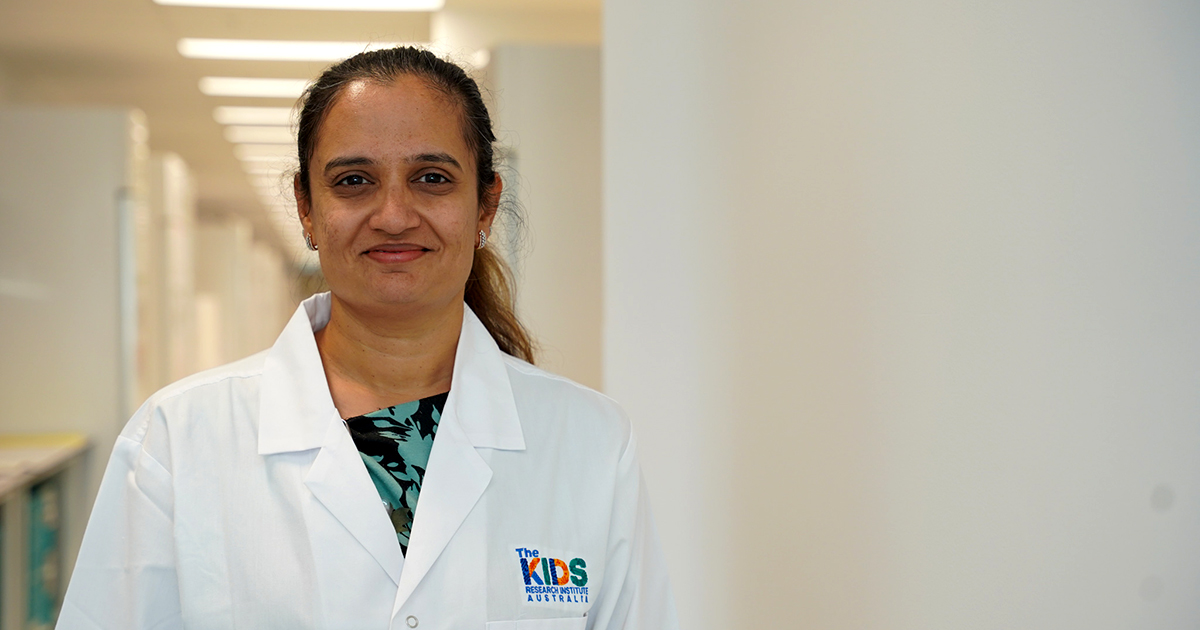
A landmark study led by Dr Hetal Dholaria, The Kids Research Institute Australia researcher and Perth Children’s Hospital Oncologist, has confirmed that a “wait and watch” approach for newborns diagnosed with neuroblastoma is not only safe, but effective over the long term.
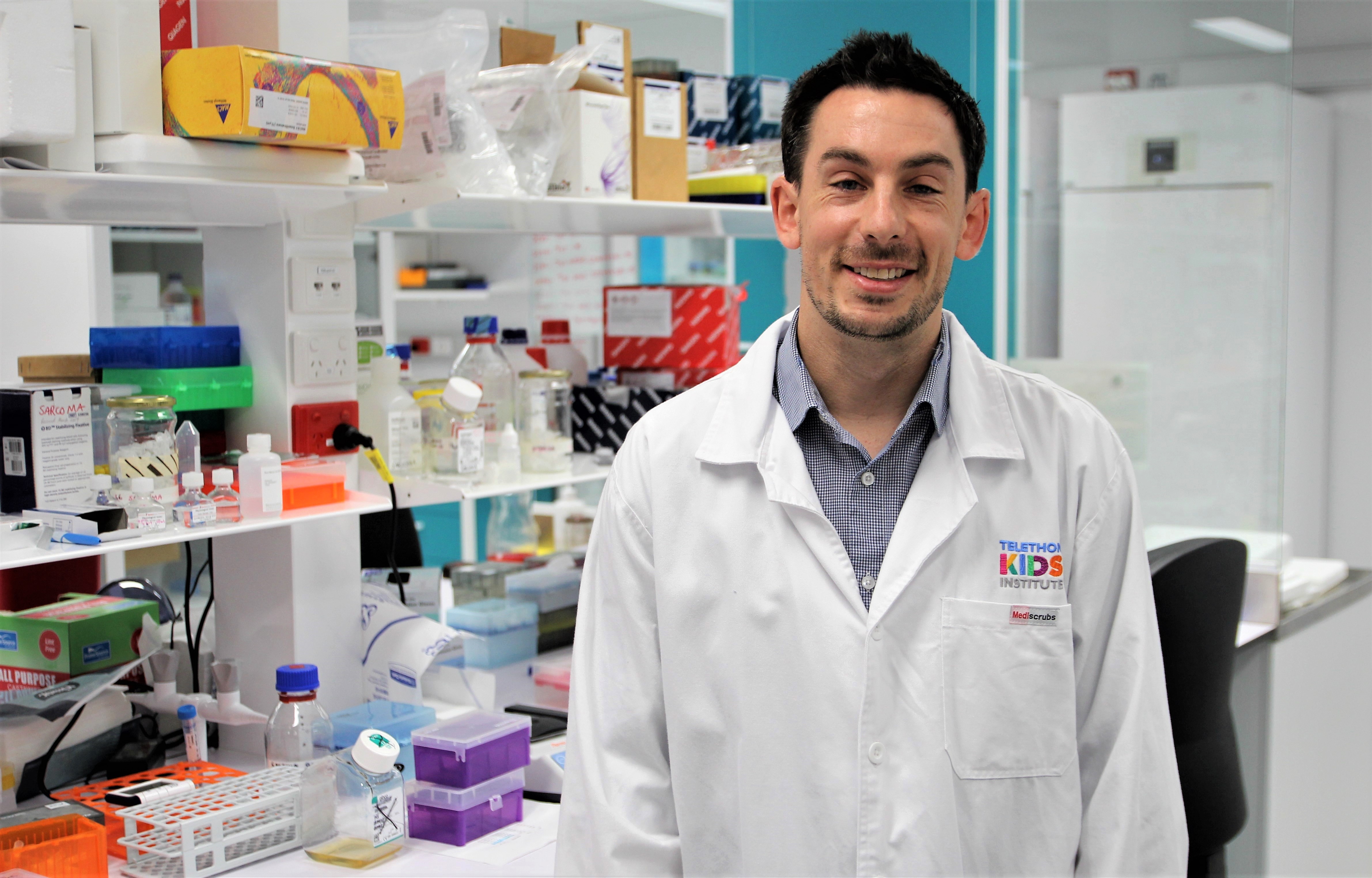
Cure Cancer and The Kids Research Institute Australia researcher Dr Ben Wylie announced new potential treatment in time for Childhood Sarcoma Awareness month.