
Search
Small volume assays are required for large-scale research studies and in particular paediatric trials, where multiple measures are required from a single sample. Fluorescent bead-based technology (Bioplex/Luminex) allows high through-put and simultaneous quantification of multiple analytes in a single test. This technology uses sets of microspheres, each with a unique spectral address that can be coated with a different antigen of interest.
This is a protocol for a Cochrane Review (intervention). The objectives were to assess the efficacy and safety of whole‐cell pertussis (wP) vaccinations in comparison to acellular pertussis (aP) vaccinations in early infancy for the prevention of atopic diseases in children.
Data on systemic and local reactions following receipt of TIV and dTpa during pregnancy support the safety of antenatal vaccination
The recent epidemics of pertussis (whooping cough) in parts of the USA and Australia have led to the largest numbers of annual cases reported in over half a...
Influenza diagnosis codes had high specificity (98.6%) and modest positive predictive value (PPV; 84.1%) and sensitivity (86.1%) for a laboratory-confirmed...
Evidence suggests that children who had received an initial priming dose of whole-cell pertussis (wP) vaccine, rather than acellular pertussis (aP) vaccine, had a lower risk of developing IgE-mediated food allergy, the most common cause of anaphylaxis-related hospital presentations of childhood.
Asthma is among the commonest noncommunicable diseases of childhood and often occurs with other atopic comorbidities. A previous case-control study found evidence that compared to children who received acellular pertussis (aP) vaccines in early infancy, children who received one or more doses of whole-cell pertussis (wP) vaccine had lower risk of developing IgE-mediated food allergy. We hypothesized that wP vaccination in early infancy might protect against atopic asthma in childhood.
Pregnancy and early infancy are increased risk periods for severe adverse effects of respiratory infections. Aboriginal and/or Torres Strait Islander (respectfully referred to as First Nations) women and children in Australia bear a disproportionately higher burden of respiratory diseases compared to non-Indigenous women and infants. Influenza vaccines and whooping cough (pertussis) vaccines are recommended and free in every Australian pregnancy to combat these infections.
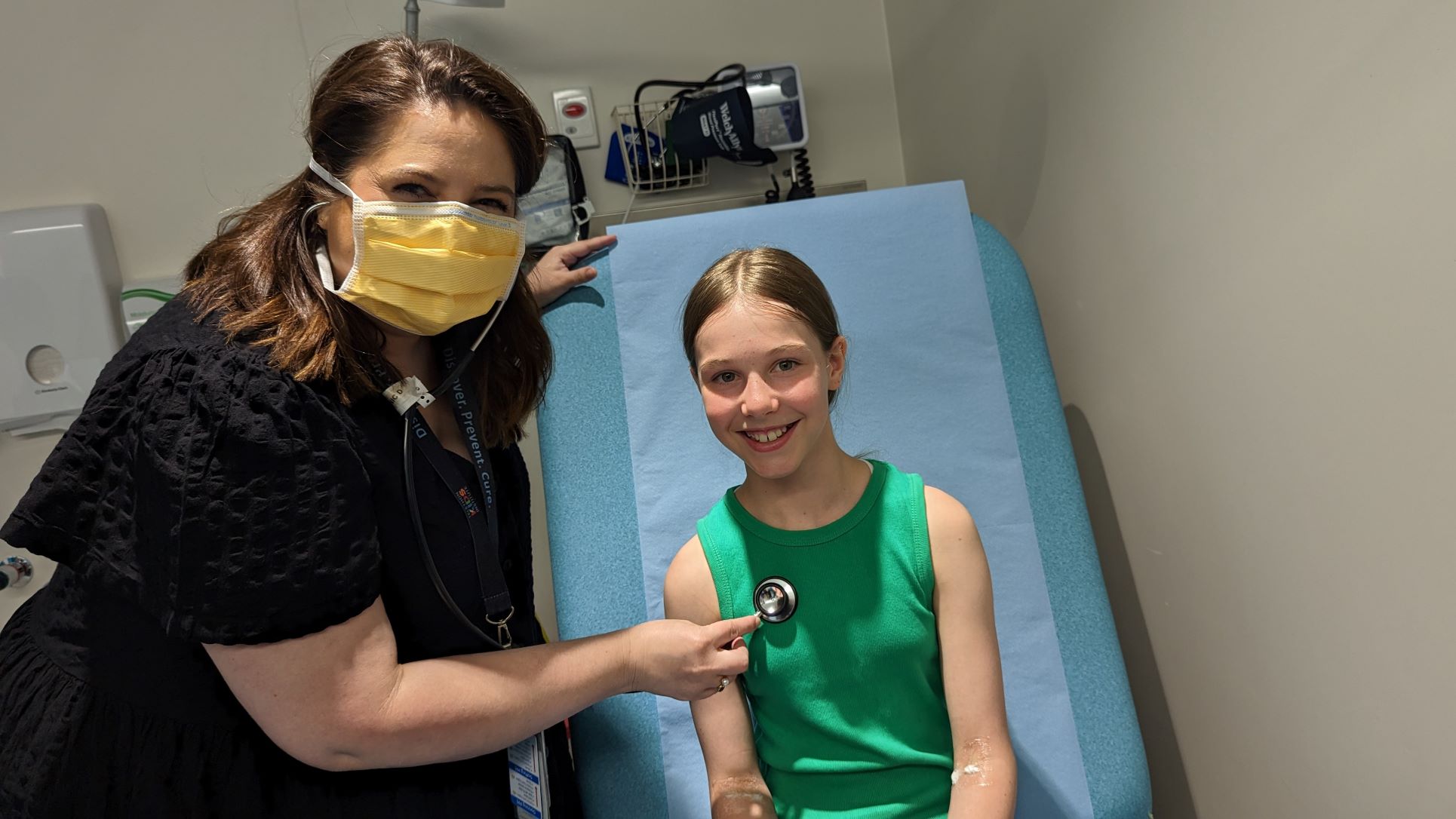
Tiny babies could soon have much-needed protection from community transmission of potentially deadly whooping cough thanks to a world-first nasal spray vaccine being trialed at The Kids Research Institute Australia.
New collaborative research involving almost 600,000 pregnant mothers has demonstrated a dramatic increase in uptake of the whooping cough (pertussis) vaccine after identifying just 22 per cent of WA women had the maternal vaccination between 2012 – 2017.