
Search
Inadequate housing and living conditions underpin significant health and wellbeing inequality in Australia, particularly for Indigenous people. This review aimed to define infectious disease (ID) outcomes used to measure the health impact of inadequate housing in Australia within a research context.
Staphylococcus aureus bacteremia (SAB) is the most common cause of childhood sepsis contributing to pediatric intensive care unit admission. The cost of adult SAB hospitalization is well described globally, but limited costing information is available for children. To bridge this knowledge gap, we investigated the cost of hospitalization in children with SAB in Australia.
Group A Streptococcal (GAS) pharyngitis is an important precursor infection to severe complications including rheumatic fever and invasive GAS. Rapid molecular point of care testing (POCT) for GAS infection has advantages over traditional microbiological culture, especially in settings with limited or absent laboratory infrastructure and where GAS complications predominate.
Asha Brad Glenn Jonathan Marianne Tim Bowen Farrant Pearson Carapetis AM Mullane Barnett BA MBBS DCH FRACP PhD GAICD FAHMS OAM BSc (Hons), PhD BA (
ARC is a global network of collaborators committed to reducing the burden of RHD in our lifetime.
The Koolungar (children) Moorditj (strong) Healthy Skin project is the first ever co-designed research-service Australian study to describe skin health in urban-living Aboriginal koolungar.
Kaal is a proud Noongar boy, he loves playing football, but this season Kaal is about to tackle a new and unexpected challenge… eczema.
In recent years, the interest in molecular diagnostic methods for the detection of many pathogens has grown substantially.
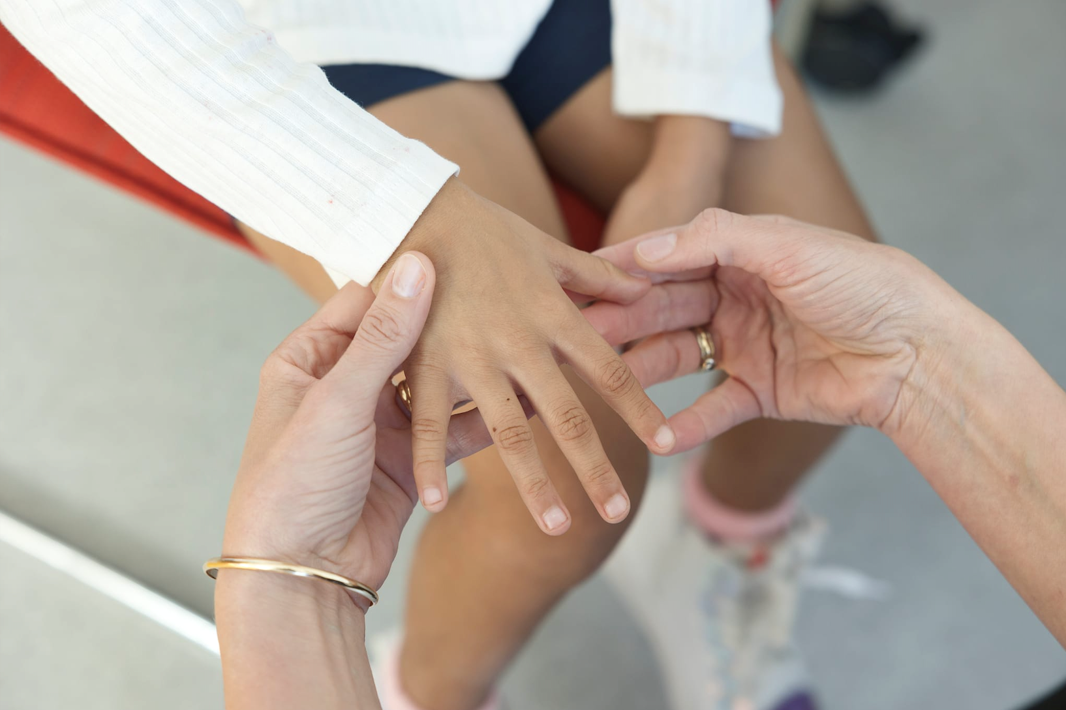
SHARE brings Aboriginal Health Practitioner (AHP)-led dermatology care into Perth Children's Hospital (PCH) for Aboriginal children and young people.
Co-designed and in collaboration with community members, the impacts of this project will directly benefit families by building awareness, empowering decision-making, and improving confidence around the recognition and management of skin conditions for Aboriginal children.