
Search
Mitochondria are hubs of metabolic activity with a major role in ATP conversion by oxidative phosphorylation (OXPHOS). The mammalian mitochondrial genome encodes 11 mRNAs encoding 13 OXPHOS proteins along with 2 rRNAs and 22 tRNAs, that facilitate their translation on mitoribosomes.
Mitophagy preserves overall mitochondrial fitness by selectively targeting damaged mitochondria for degradation. The regulatory mechanisms that prevent PTEN-induced putative kinase 1 (PINK1) and E3 ubiquitin ligase Parkin (PINK1/Parkin)-dependent mitophagy and other selective autophagy pathways from overreacting while ensuring swift progression once initiated are largely elusive.
Platelets are anucleate blood cells that contain mitochondria and regulate blood clotting in response to injury. Mitochondria contain their own gene expression machinery that relies on nuclear-encoded factors for the biogenesis of the oxidative phosphorylation system to produce energy required for thrombosis.
The genetic code that specifies the identity of amino acids incorporated into proteins during protein synthesis is almost universally conserved. Mitochondrial genomes feature deviations from the standard genetic code, including the reassignment of two arginine codons to stop codons.
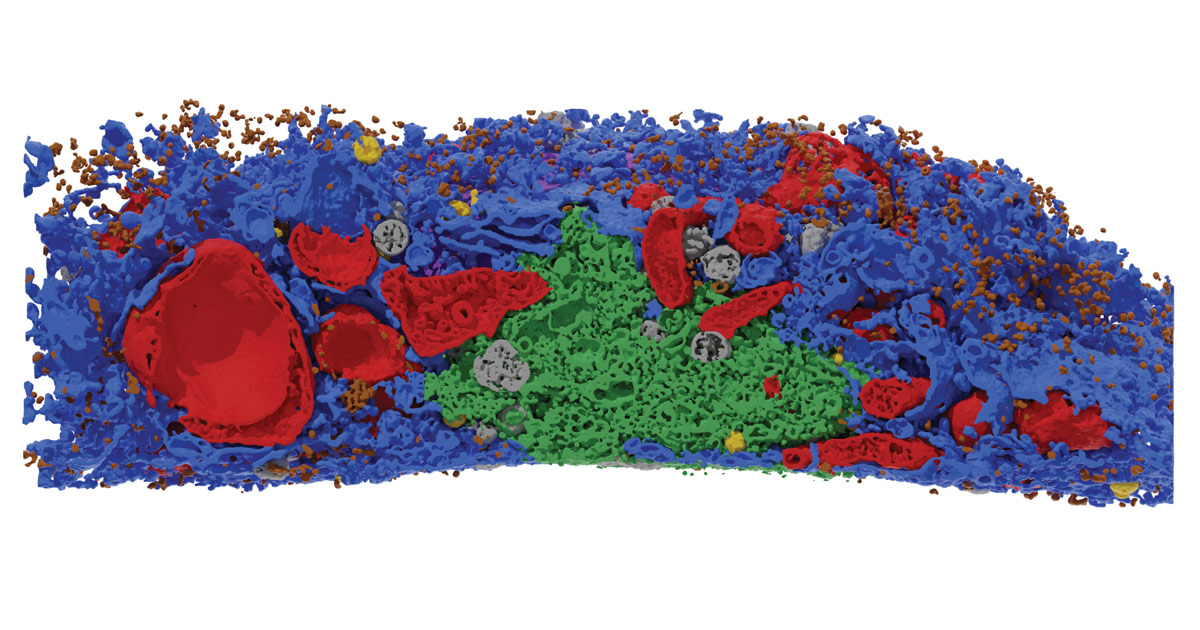
Researchers from The Kids Research Institute Australia and The University of Western Australia have developed a new technique to see inside cells with unprecedented detail, revealing a complicated web of interactions that provides new insights into how cells stay healthy.

The generous support of West Australians through Channel 7’s Telethon Trust will help support vital child health research at The Kids Research Institute Australia in 2023.

Two research teams, led by The Kids Research Institute Australia, have been awarded more than $2 million to fund innovative projects.
The mitochondrial genome encodes core subunits of the respiratory chain that drives oxidative phosphorylation and is, therefore, essential for energy conversion. Advances in high-throughput sequencing technologies and cryoelectron microscopy have shed light on the structure and organization of the mitochondrial genome and revealed unique mechanisms of mitochondrial gene regulation.
Directed evolution emulates the process of natural selection to produce proteins with improved or altered functions. These approaches have proven to be very powerful but are technically challenging and particularly time and resource intensive. To bypass these limitations, we constructed a system to perform the entire process of directed evolution in silico.
We aimed to investigate the molecular basis underlying a novel phenotype including hypopituitarism associated with primary ovarian insufficiency.