
Search
To explore the impact of missing data on the accuracy of continuous glucose monitoring (CGM) metrics collected for a 2-week period in a clinical trial.
A type 1 diabetes (T1D) transition clinic in Sydney, Australia, provides age specific care for young adults (aged 16-25 years) and for adults (aged 21 years and above), and has reported improved clinical outcomes post transition to adult care over a 21-year period. This study investigated the contribution of digital technology to long-term resilient capacity of the clinic.
Humans are commonly exposed to plastic through their dietary intake and food consumption patterns. Plastic-associated chemicals (PAC), such as bisphenols and phthalates, are recognized as endocrine-disrupting and are associated with increased risk of cardiovascular disease and metabolic syndrome. However, accurate methods to assess dietary exposure to plastic products and PAC are inadequate, limiting interrogation of health impacts.
To evaluate real-world glycaemic outcomes in children with type 1 diabetes commencing advanced hybrid closed loop therapy and to explore these outcomes based on the cohort's clinical and socioeconomic characteristics.

Researchers from The Kids Research Institute Australia will share in almost $4 million in grants to continue groundbreaking research to tackle childhood cancer, asthma, respiratory viral infections and more.

An Early-Stage Type 1 Diabetes (T1D) Clinic aims to revolutionise diabetes care and support families navigating the beginning of an early-stage T1D diagnosis.
The generous support of Western Australians through Channel 7’s Telethon is helping to fund life-changing child health research, with two The Kids Research Institute Australia researchers awarded significant grants.
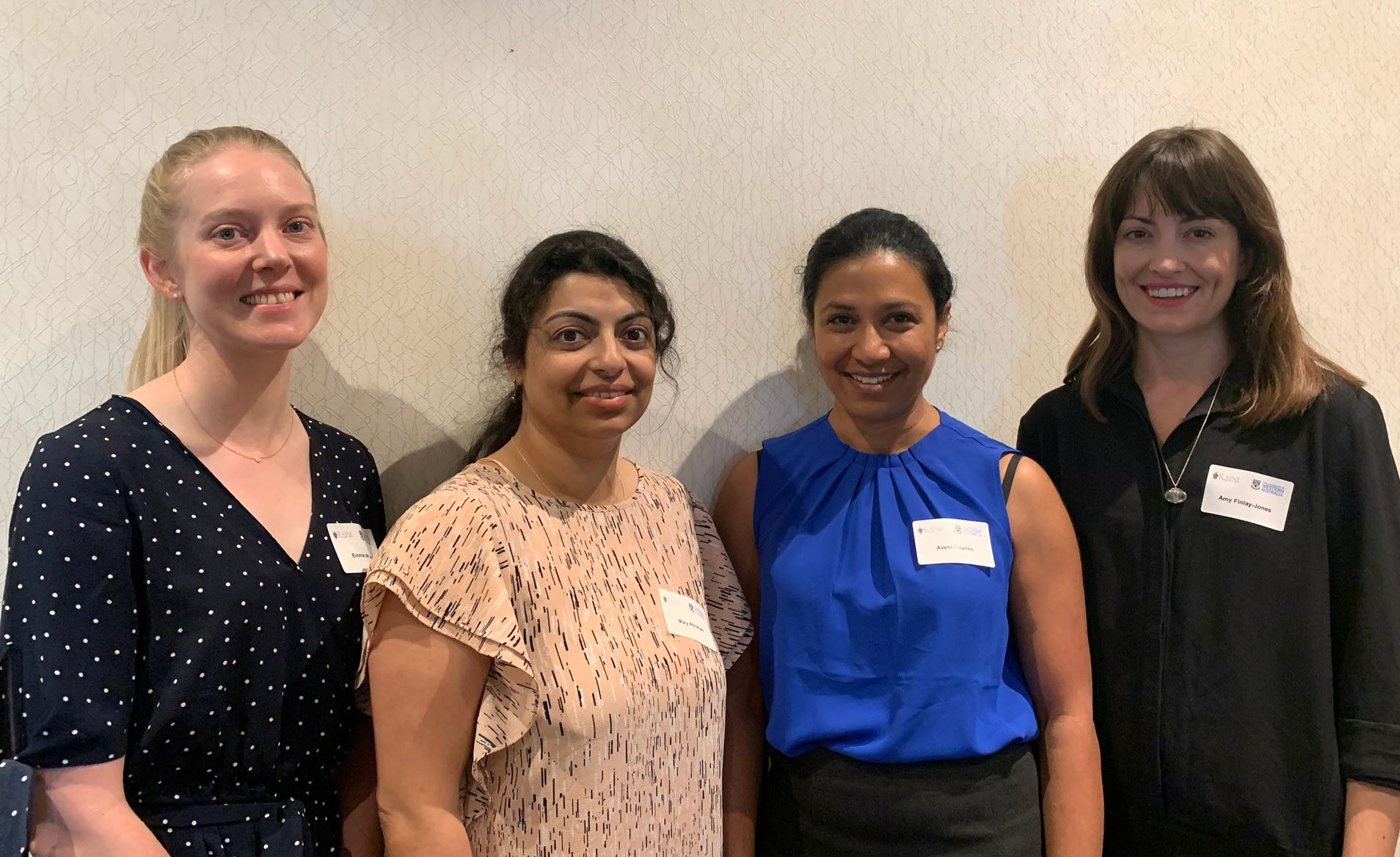
Children’s Diabetes Centre researchers at The Kids Research Institute Australia are among the big winners of prestigious Raine Medical Research Foundation Awards.

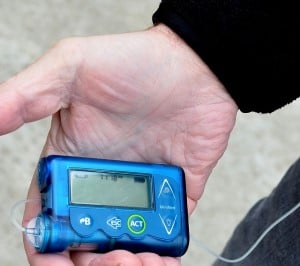
"This system definitely helped with my diabetes management, especially overnight, and helped to keep my blood sugars as stable as possible which was fantastic,"
The study involved screening young people to learn more about the development of long-term kidney, eye and cardiovascular complications in adolescents with T1D.