
Search

Telethon Kids Institute believes that everyone has the right to be treated with equal respect, to feel included and not be subjected to discrimination.
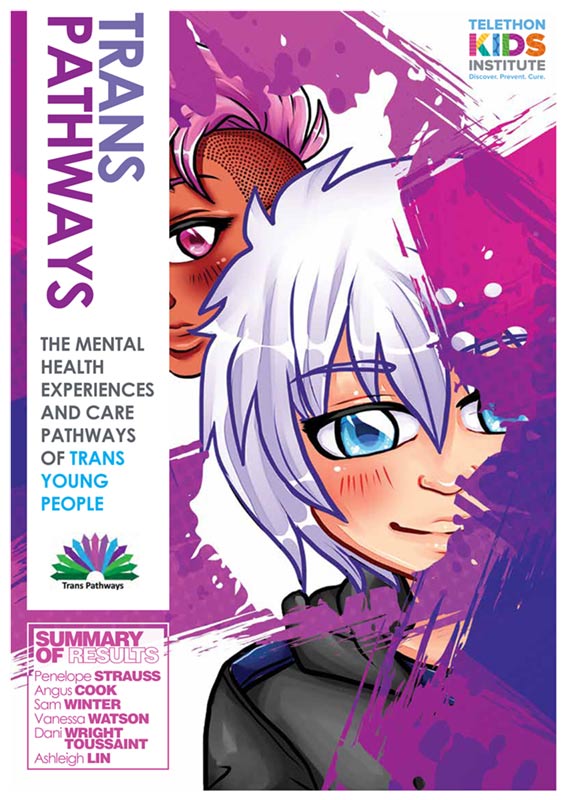
Trans Pathways is the largest ever survey conducted into the mental health of trans young people in Australia.
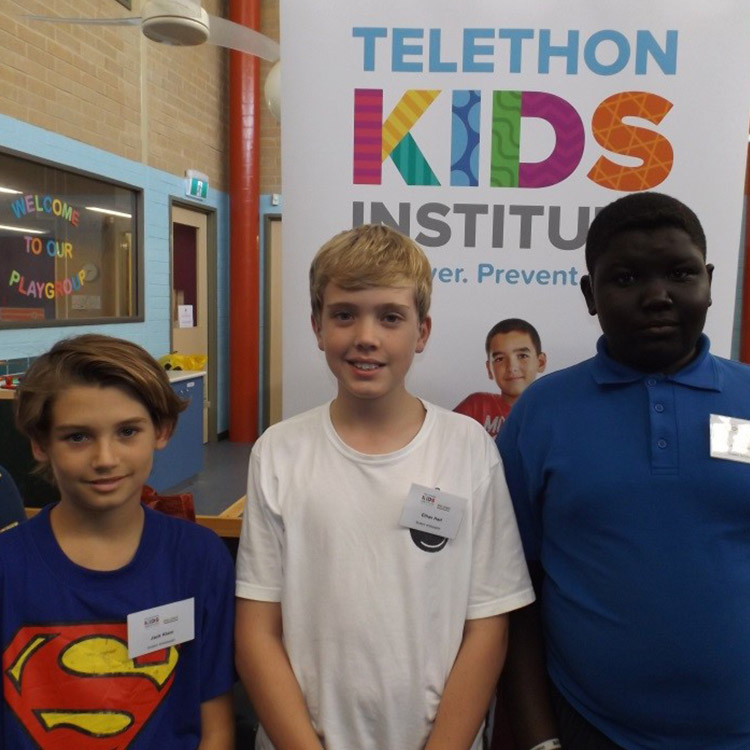
Ethan recently took part in Belong, a study led by The Kids which aims to ensure deaf and hard of hearing kids have a happy & positive school experience
This project explores the mental health and support needs of Australians with complex experiences of gender-affirmation.
Optimise+ is a research project designed to build on the best parts of LGBTQ+ community-controlled mental health and AOD services across Australia, with the aim of further enhancing service options.
Yael Penelope Helen Perry Strauss Morgan BPsych (Hons) MPsych (Clin) PhD BA, MPH, PhD BA (Hons), Doctor of Psychology Head, Youth Mental Health
Amy Penelope Yael Finlay-Jones Strauss Perry BPsych(Hons), MPsych(Clinical), MHealthEcon, PhD (Clin Psych) BA, MPH, PhD BPsych (Hons) MPsych (Clin)
Rainbow Knowledge: Broome & Kununurra is a First Nations led research project that aims to explore the perspectives, social emotional wellbeing (SEWB) and mental health experiences of Aboriginal & Torres Strait Islander Lesbian, Gay, Bisexual, Transgender, Queer or Questioning, Asexual (LGBTQA+) or other sexually
Penelope Yael Jacinta Strauss Perry Freeman BA, MPH, PhD BPsych (Hons) MPsych (Clin) PhD BScs, MPH Research Fellow in Youth Suicide Prevention Head,
Some studies indicate siblings of transgender (trans) and gender diverse young people often experience negative mental health impacts such as anxiety and depression due to complicated familial, individual and social factors associated with having a trans sibling.