Skip to content

Search

Automated Insulin Delivery Is Associated with Reduced Hospital Admissions and Costs for Acute Diabetes Complications in Children with Type 1 Diabetes

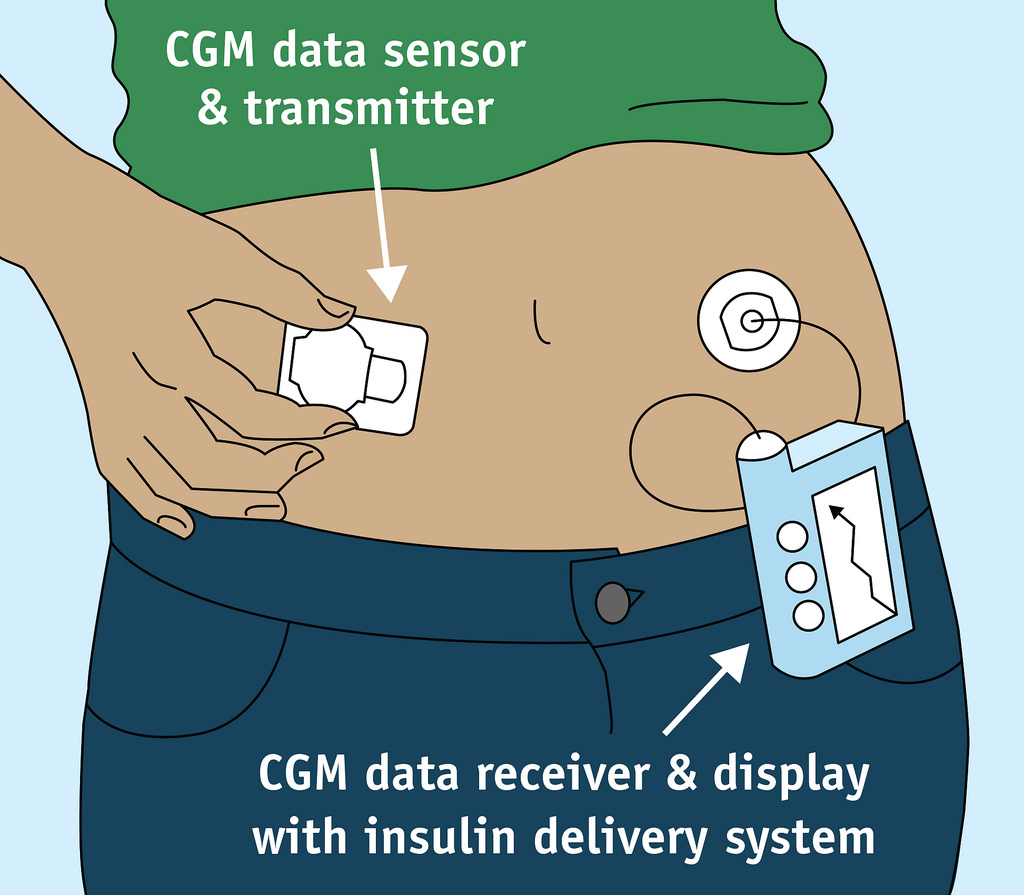
This study evaluated the association between insulin regimen, hospitalization for acute diabetes complications, and related health care costs in children with type 1 diabetes (T1D). Hospital admissions for diabetic ketoacidosis or hypoglycemia between January 5, 2022, and April 30, 2024, were analyzed in Western Australian children with T1D. Admissions due to newly diagnosed T1D were excluded. Incidence rate ratios were calculated using generalized estimating equations, adjusted for age, diabetes duration, and socioeconomic status.

The usability and feasibility of a self-compassion chatbot (COMPASS) for youth living with type 1 diabetes

Although it is well established that youth with type 1 Diabetes (T1D) experience high rates of distress, current clinical care is often under-resourced and unable to provide sufficient or timely psychological support. The current study was designed to evaluate the safety, usability and feasibility of 'COMPASS,' a self-compassion chatbot intervention. 

NMR Spectroscopy-Based Lipoprotein and Glycoprotein Biomarkers Differentiate Acute and Chronic Inflammation in Diverse Healthy and Disease Population Cohorts

Understanding the distribution and variation in NMR-based inflammatory markers is crucial to the evaluation of their clinical utility in disease prognosis and diagnosis. We applied high-resolution 1H NMR spectroscopy of blood plasma and serum to measure the acute phase reactive glycoprotein signals  and the subregions of the lipoprotein-based Supramolecular Phospholipid Composite signals in a large multicohort population study.

Perceived stress in mothers of children with and without islet and coeliac autoimmunity in the ENDIA study

We aimed to assess perceived stress and influencing factors in mothers with children at risk of type 1 diabetes and coeliac disease who did, or did not, develop islet autoantibodies or coeliac autoantibodies by 4 years of age.

Teaching Kitchens: An innovative program for enhancing self-management skills in adolescents living with type 1 diabetes (T1D) – A feasibility study

Adolescents living with type 1 diabetes (T1D) are faced with unique challenges to nutrition management. The current Perth Children's Hospital (PCH) T1D management model includes individualised education at diagnosis and annual reviews. Currently, no group education is provided to develop self-management skills for healthy meal preparation. Teaching Kitchens offers a skills-based program in food literacy and nutrition. This feasibility study explored if a Teaching Kitchens program at PCH engaged adolescents aged between 13 and 17 years, living with T1D.

Cardiometabolic Biomarkers and Prediction of Kidney Disease Progression: The eGFR Cohort Study

Traditional markers modestly predict chronic kidney disease progression in Aboriginal and Torres Strait Islander people. Therefore, we assessed associations of cardiometabolic and inflammatory clinical biomarkers with kidney disease progression among Aboriginal and Torres Strait Islander people with and without diabetes.

Prevalence of type 2 diabetes among global Indigenous adult populations: a systematic review

Despite evidence documenting high prevalence of type 2 diabetes among several Indigenous populations, a comprehensive systematic review of type 2 diabetes among global Indigenous Peoples has not been recently conducted. Our aim was to report region-, time-, age- and sex-specific type 2 diabetes prevalence among Indigenous adult populations globally.

Islet autoimmunity in young First Nations women with prediabetes and type 2 diabetes

Type 1 diabetes in First Nations peoples is low yet type 2 diabetes is at epidemic proportions. This study aimed to determine the prevalence of islet autoimmunity in First Nations women with dysglycaemia and its association with clinical features.

A Long-Term Evaluation of Facebook for Recruitment and Retention in the ENDIA Type 1 Diabetes Pregnancy-Birth Cohort Study

The Environmental Determinants of Islet Autoimmunity (ENDIA) study is an Australia-wide pregnancy-birth cohort study following children who have a first-degree relative with type 1 diabetes (ACTRN1261300794707). A dedicated ENDIA Facebook page was established in 2013 with the aim of enhancing recruitment and supporting participant retention through dissemination of study information.

Mental Health During Late Pregnancy and Postpartum in Mothers With and Without Type 1 Diabetes: The ENDIA Study

Pregnancy and type 1 diabetes are each associated with increased anxiety and depression, but the combined impact on well-being is unresolved. We compared the mental health of women with and without type 1 diabetes during pregnancy and postpartum and examined the relationship between mental health and glycemic control.