
Search
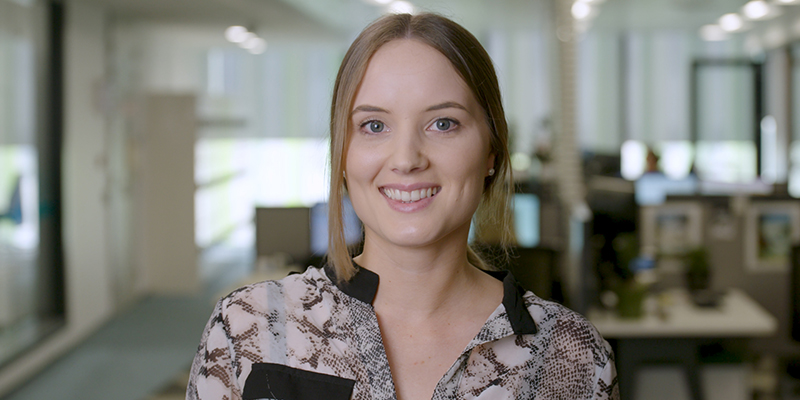
The Kids Research Institute Australia researcher Hayley Passmore will use a prestigious Churchill Fellowship to investigate better ways to support young people in detention who are affected by neurodisability.

Three outstanding The Kids Research Institute Australia researchers have been named finalists in the 2016 Premier's Science Awards

The Kids Research Institute Australia researchers have been awarded more than $10 million in research funding from the National Health and Medical Research Council (NHMRC).
Shared decision-making between patients and primary healthcare professionals positively impacts health outcomes. However, people with intellectual disability face additional barriers and require supported shared decision-making (SSDM) to participate. Little is known about how healthcare professionals use SSDM with this population. This paper explores the facilitators and barriers experienced, and strategies/resources employed by healthcare professionals working with people with intellectual disability.
The most common cause of morbidity and mortality in children with severe cerebral palsy (CP) is respiratory disease. BREATHE-CP (Better REspiratory and Airway Treatment and HEalth in Cerebral Palsy) is a multidisciplinary research team who have conducted research on the risk factors associated with CP respiratory disease, a systematic review on management and a Delphi study on the development of a consensus for the prevention and management of respiratory disease in CP.
Aneuploidies, and in particular, trisomies represent the most common genetic aberrations observed in human genetics today. To explore the presence of trisomies in historic and prehistoric populations we screen nearly 10,000 ancient human individuals for the presence of three copies of any of the target autosomes. We find clear genetic evidence for six cases of trisomy 21 (Down syndrome) and one case of trisomy 18 (Edwards syndrome), and all cases are present in infant or perinatal burials.
Motor features of autism have long been acknowledged by clinicians, researchers, and community stakeholders. Current DSM-5 and ICD-11 guidelines allow clinicians to assign a co-occurring diagnosis of developmental [motor] coordination disorder for autistic individuals with significant motor problems.
Electrical Status epilepticus of sleep (SES) is an EEG pattern where there is significant activation of epileptiform activity in NREM sleep. A spike wave index (SWI) of > 80-85% is often labelled as typical SES. We aimed to explore if sleep during a standard daytime-EEG, as compared an overnight-EEG, was adequate to diagnose ESES.
Rett syndrome (RTT) is a severe neurodevelopmental disorder associated with multiple neurobehavioral abnormalities. The Rett Syndrome Behaviour Questionnaire (RSBQ) was developed for pediatric RTT observational studies. Because its application has expanded to adult and interventional studies, we evaluated the RSBQ's psychometric properties in six pediatric (n = 323) and five adult (n = 309) datasets.
The CDKL5 Clinical Severity Assessment is a comprehensive, content-validated measurement tool capturing the diverse challenges of cyclin-dependent kinase-like 5 deficiency disorder, a genetically caused developmental epileptic encephalopathy. The CCSA is divided into clinician-reported and caregiver-reported assessments. The aim of this study was to evaluate the factor structure of these measures through confirmatory factor analysis and evaluate their validity and reliability.