
Search
The transmission of Group A Streptococcus (Strep A) through respiratory droplets has been considered the dominant mode of transmission to date; however, little is known about the relative contribution of other modes of transmission. This review systematically summarises the contemporary evidence regarding the transmission of Strep A.
Skin concerns are frequent among urban-living Aboriginal children, yet specialist dermatology consultations are limited with studies highlighting the need for improved cultural security. Through newly established paediatric dermatology clinics at two urban Aboriginal Community Controlled Health Organisations (ACCHOs), we aimed to describe clinic and patient data, including disease frequencies and associations, to inform dermatology service provision and advocacy.
Skin health is widely recognised as being important for overall good health and well-being, yet the burden of skin infections in remote Aboriginal communities remains high. This project aimed to explore if virtual support for skin health could be a strategy to reduce community barriers to skin health engagement.
Staphylococcus aureus bloodstream infection is traditionally treated with at least 2 weeks of intravenous antibiotics in adults, 3-7 days in children, and often longer for those with complicated disease. The current practice of treating S. aureus bacteremia with prolonged IV antibiotics (rather than oral antibiotics) is based on historical observational research and expert opinion. Prolonged IV antibiotic therapy has significant disadvantages for patients and healthcare systems, and there is growing interest in whether a switch to oral antibiotics following an initial period of IV therapy is a safe alternative for clinically stable patients.
There is a scarcity of prospective studies investigating the relative roles of skin prick and intradermal testing, serum specific IgE, and extended oral challenges in diagnosing children with reported β-lactam allergies.
Our skin, the body’s largest organ, protects us and maintains overall health. Untreated recurring skin infections like impetigo and scabies severely impact children. The Kids is at the forefront of combatting skin infections, particularly within remote Aboriginal communities experiencing some of the world’s highest rates.
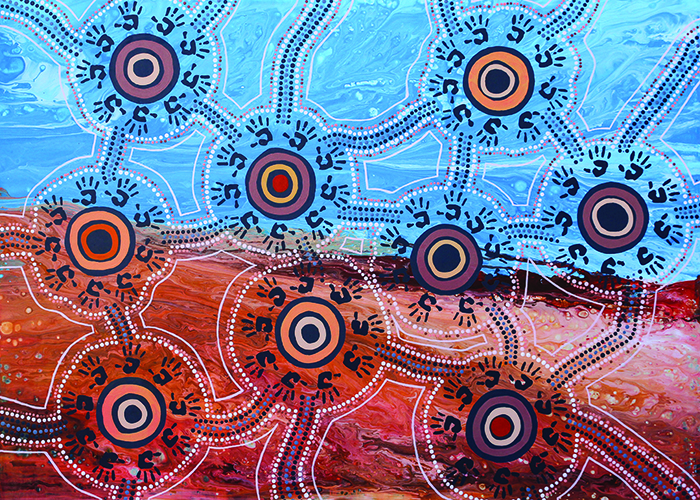
More than 3,000 skin checks have been undertaken as part of a large clinical trial in WA’s Kimberley region aimed at halving the burden of skin sores in school-aged Aboriginal children.
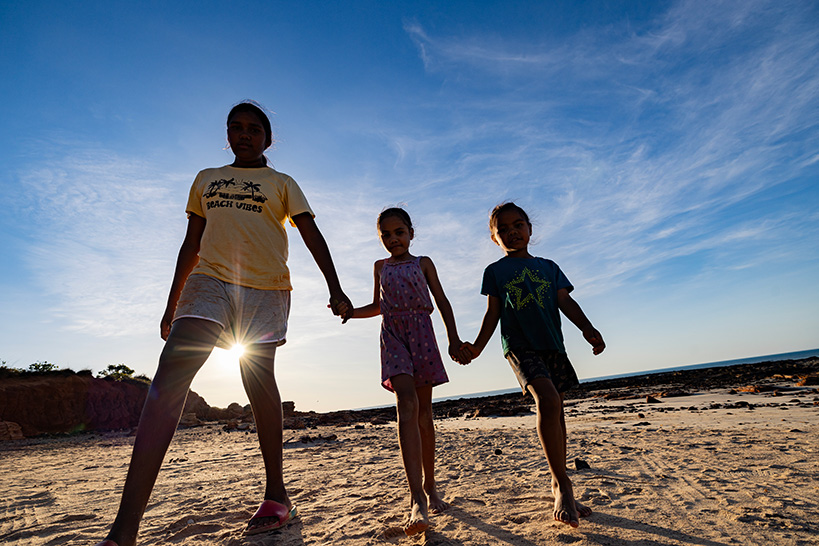
Aboriginal health is everyone's business. The needs of Aboriginal and Torres Strait Islander families and kids is integrated into all relevant areas of our work. Improving the health and wellbeing of Aboriginal and Torres Strait Islander kids and families is an overarching priority for every team at The Kids.
Skin conditions most frequently encountered in paediatric practice include infections, infestations, atopic dermatitis, and acne. Skin of colour refers to skin with increased melanin and darker pigmentation, and reflects global racial and ethnic diversity.
Sepsis, for children and their parents, is a life-altering illness with far-reaching psychosocial and physical impacts. We aimed to explore the needs of such patients and their parents after hospital admission for sepsis to inform the development of a Western Australian postsepsis care service.