
Search
Asha Jonathan Marianne Bowen Carapetis AM Mullane BA MBBS DCH FRACP PhD GAICD FAHMS OAM AM MBBS FRACP FAFPHM PhD FAHMS BSc (OT) Head, Healthy Skin
Healthy skin is important for maintaining overall health and wellbeing. Some skin infections, if untreated, can lead to serious downstream health complications such as heart disease, kidney disease, or sepsis.
The skin is home to an array of bacteria, fungi and viruses, which together make up the skin microbiome. We explore how the skin microbiome can contribute to healthy skin.
Dr Anita Asha Campbell Bowen MBBS, DCH, PG DipPID, FRACP, PhD BA MBBS DCH FRACP PhD GAICD FAHMS OAM Infectious Diseases Physician; Raine Clinician
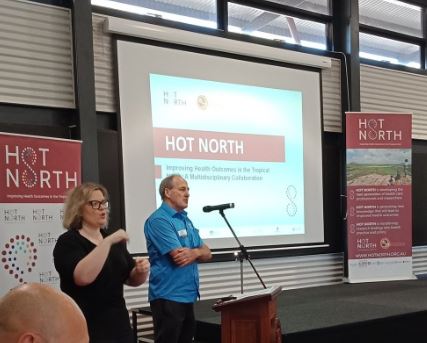
Over 100 researchers and health professionals from around Australia have united in Broome this week to address the major health battles facing people living in the tropical north of the country.

Dr Amgarth-Duff is an early career Post-doctoral Senior Research Offer in the Healthy Skin & ARF prevention team.
Aboriginal children and families contend with higher rates of preventable infectious diseases that can be attributed to their immediate living environment. The environments in which children spend most of their time are their homes and schools. We aimed to understand the opportunities in the school setting to support student skin health and wellbeing through environmental health activities, how these activities were completed, and the barriers to their implementation.
Indigenous children in colonised nations experience high rates of health disparities linked to historical trauma resulting from displacement and dispossession, as well as ongoing systemic racism. Skin infections and their complications are one such health inequity, with the highest global burden described in remote-living Australian Aboriginal and/or Torres Strait Islander (hereafter respectfully referred to as Aboriginal) children. Yet despite increasing urbanisation, little is known about the skin infection burden for urban-living Aboriginal children.
For millennia, Aboriginal people's ways of knowing, doing and being were shared through art, song, and dance. Colonisation silenced these ways, affecting loss of self-determination for Aboriginal people. Over the past decade in Australia, hip-hop projects have become culturally appropriate approaches for health promotion.