
Search
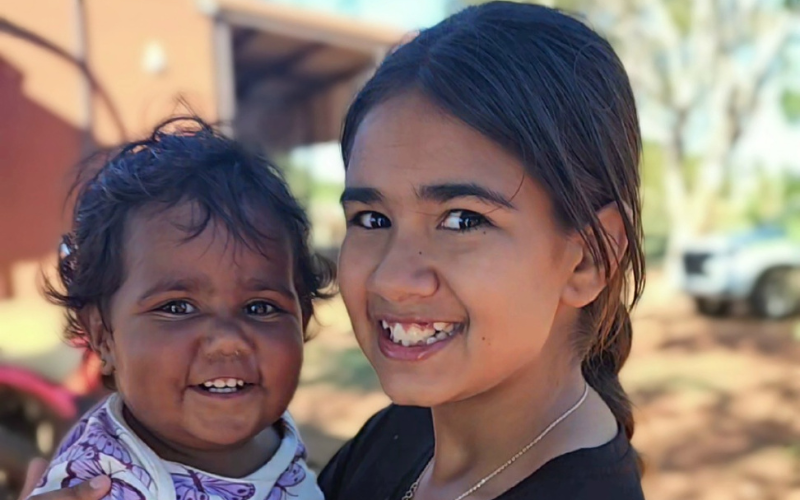
The key to improving the lung health of Aboriginal children lies in establishing strong community connections.
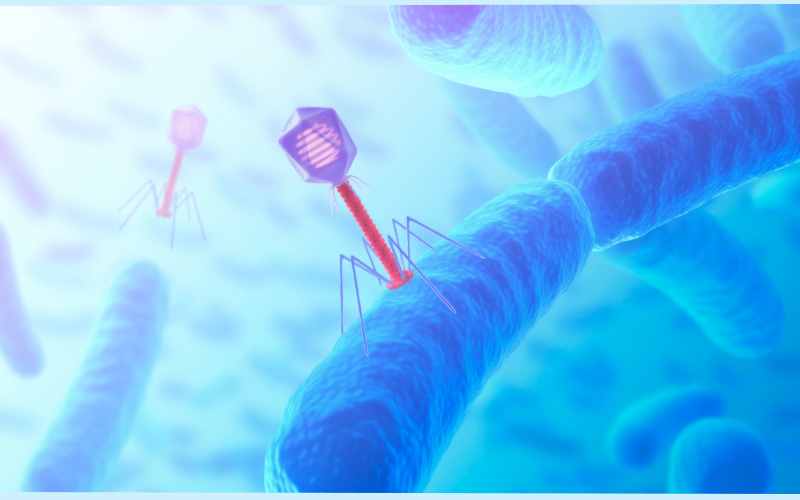
The Wal-yan Respiratory Research Centre is seeking expressions of interest from Western Australians to join an Antimicrobial Resistance (AMR) Community Reference Group, to provide vital community perspectives on the research activities into this global health concern.

Four outstanding researchers from the Wal-yan Centre - Professor André Schultz, Professor Stephen Stick, Rebecca Watson and Michael Beaven - have been presented with prestigious awards in acknowledgement of their research aimed at improving the lives of children with respiratory illness.
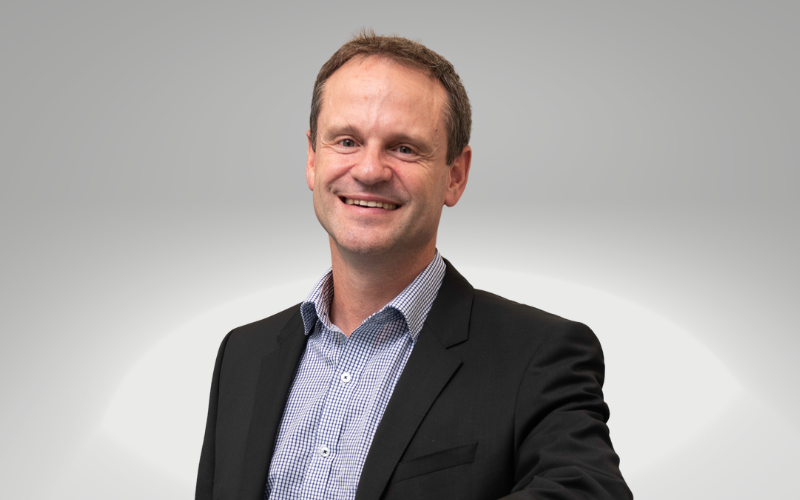
In an exciting development for the Wal-yan Respiratory Research Centre, Professor André Schultz has been appointed as the Centre’s new Head, succeeding Professor Stephen Stick.
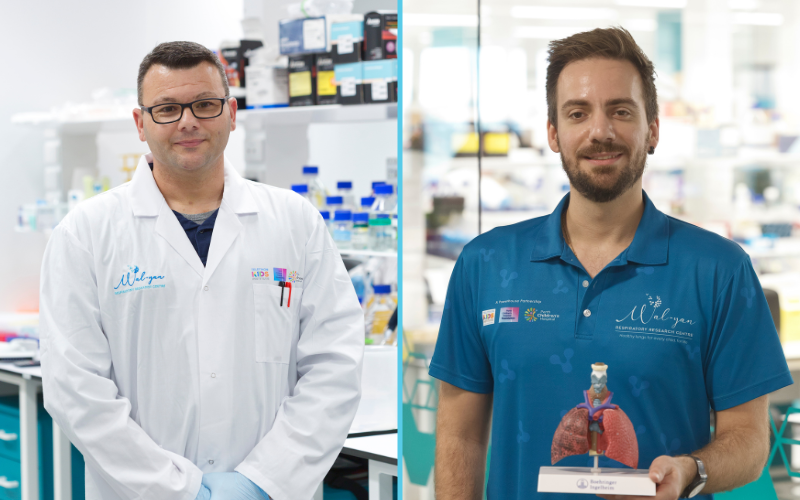
New funding from the Stan Perron Charitable Foundation will support research into innovative treatments for antibiotic-resistant infections and asthma in children, led by Wal-yan Respiratory Research Centre researchers.
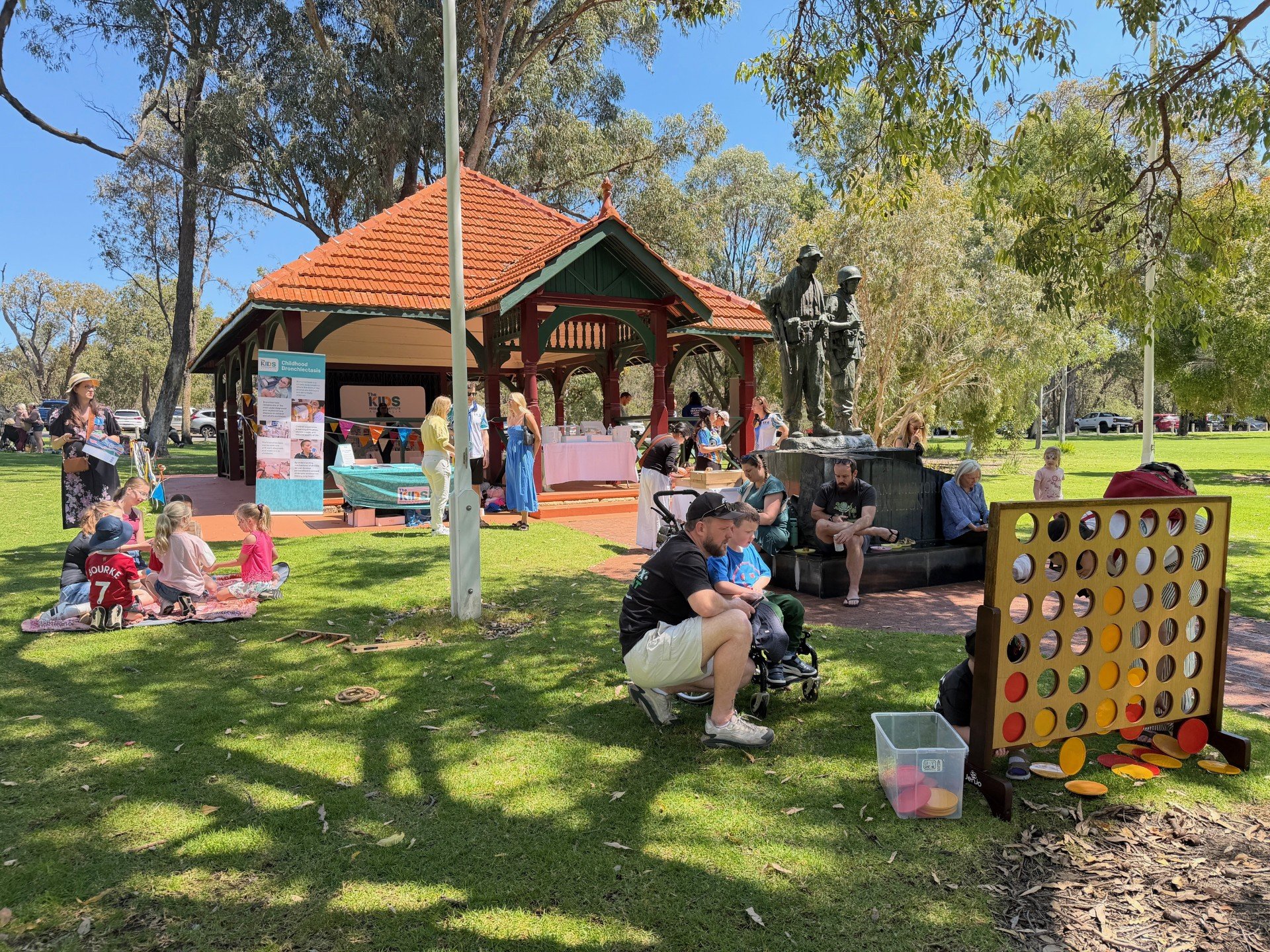
Families affected by bronchiectasis gathered in Kings Park recently for a special event hosted by the BRIGHT Study team, celebrating community, connections, and conversations.
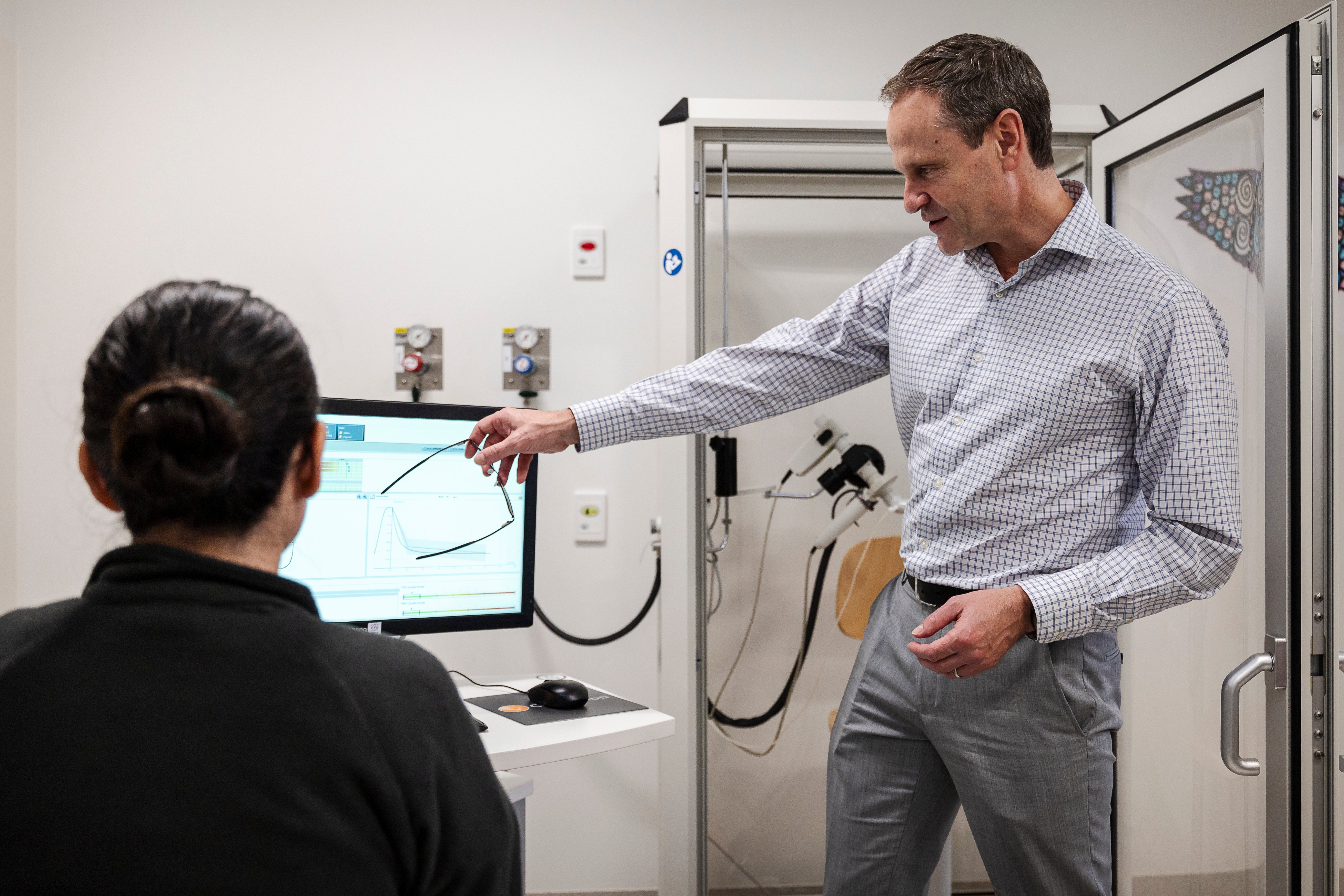
A new paper published in Frontiers in Pediatrics offers clinicians a practical roadmap to improve healthcare outcomes for Indigenous children, starting with respect, communication, and cultural understanding.
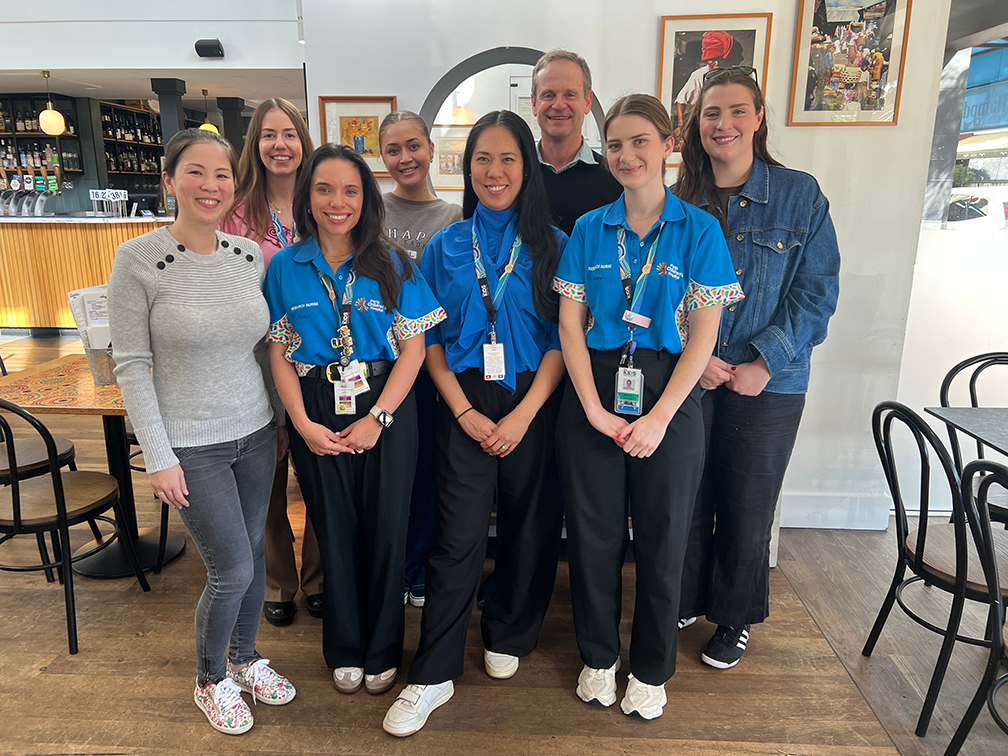
The Metabolomics to Predict Asthma (MAP) study has reached an important turning point. After examining the ‘chemical fingerprints’ of more than 300 children, the team is now taking a new approach, turning to proteins to better understand which young children with recurrent wheeze go on to develop asthma.
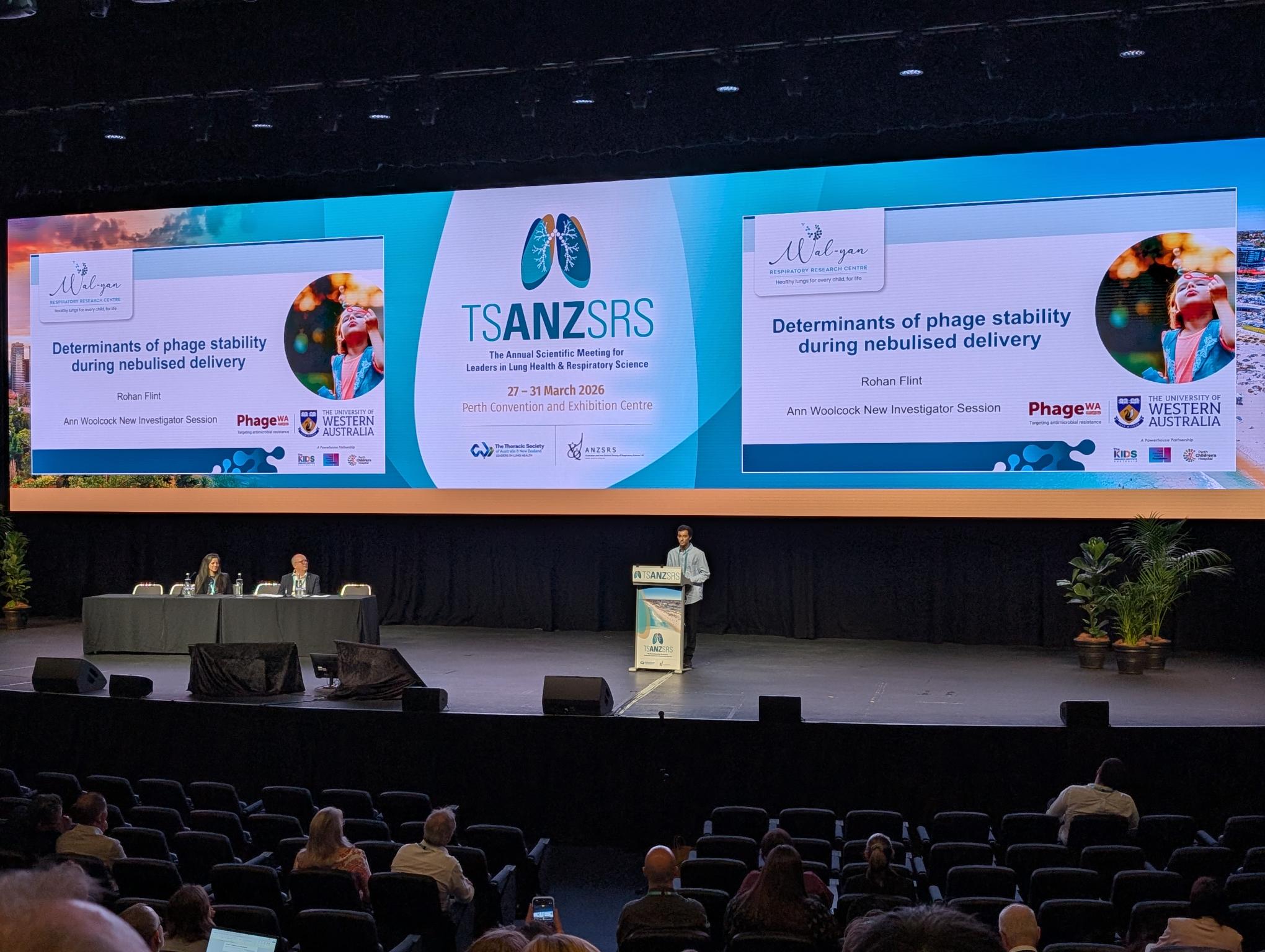
Wal-yan Respiratory Research Centre was well represented at this year's Thoracic Society of Australia and New Zealand and Society of Respiratory Science (TSANZSRS) Annual Scientific Meeting.
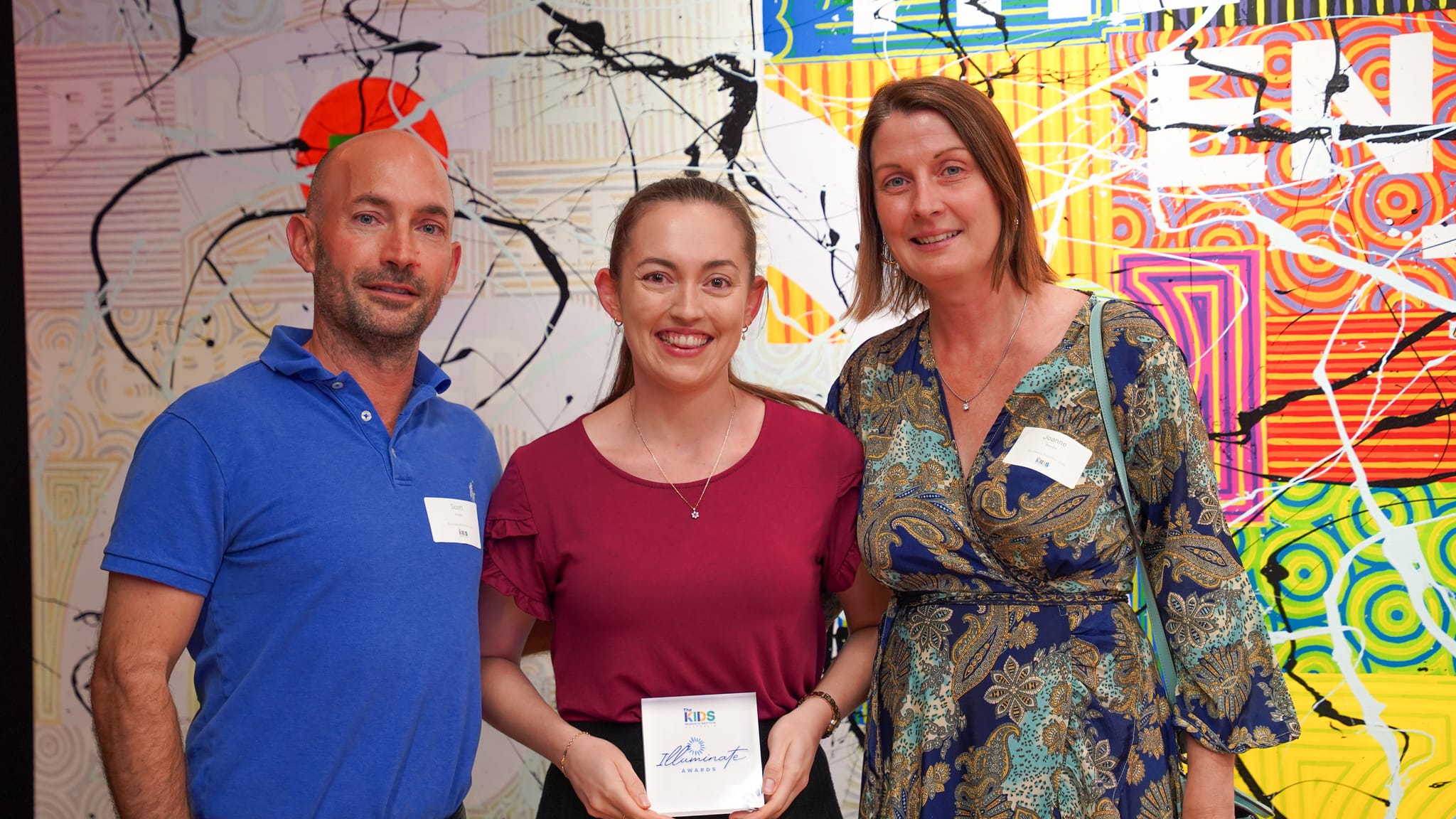
Dr Denby Evans, a Wal-yan Respiratory researcher, has been awarded a $25,000 Illuminate Award for her work to change that. Funding by Helping Little Hands, the award was presented at The Kids Research Institute Australia’s 2026 Illuminate PitchFest.