
Search
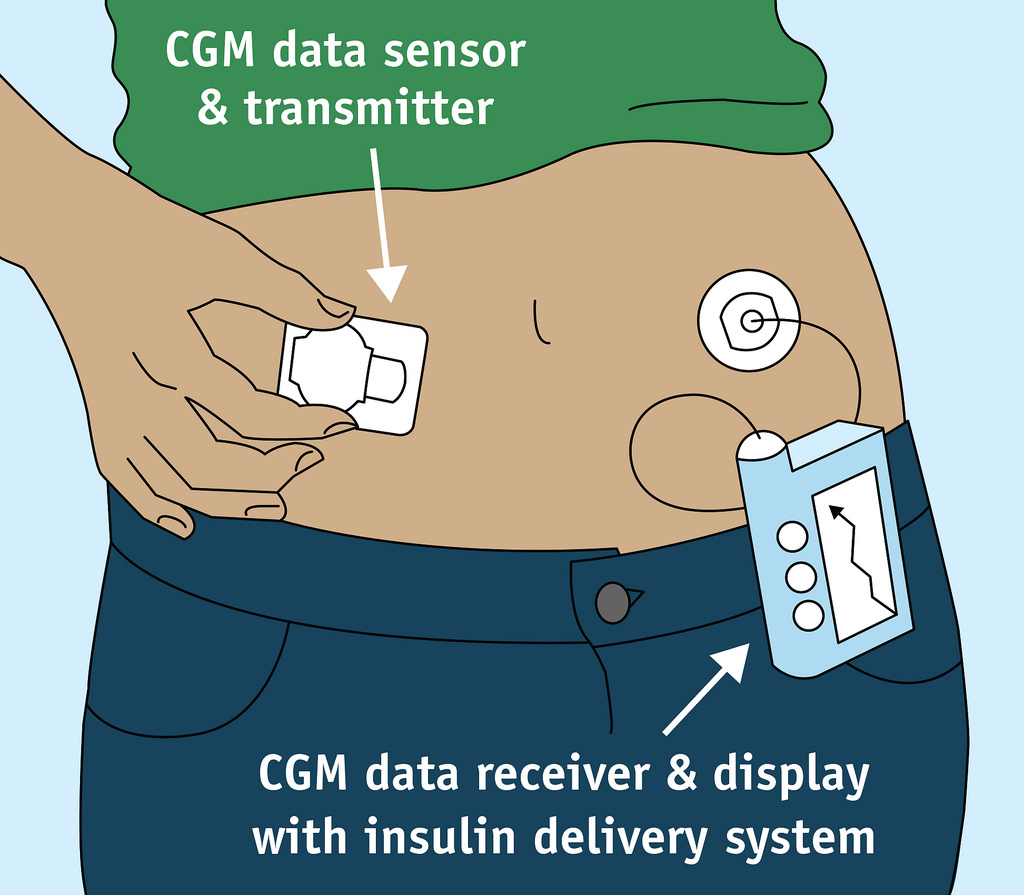
A Closed-Loop System will potentially have a major impact upon acute and chronic complications of diabetes as well as upon their quality of life.
This study will evaluate the effect of two types of aerobic exercise
Determining if hyperglycaemia prior to and during exercise affects the amount of carbohydrate required to maintain stable glucose levels during/after exercise
This study is looking for the causes of type 1 diabetes, so that we can find ways to prevent it.
Investigating the demographic, lifestyle and diabetes management factors associated with the incidence of severe hypoglycemia
The objectives of this study are to study the epidemiology of childhood diabetes in Western Australia from 1985 onwards.
It is unclear whether immersion in cool water, typical of many beaches, increases the concentration of blood glucose in individuals with type 1 diabetes mellitus (T1DM).
Type 1 diabetes (T1D) is a chronic and incurable autoimmune disease, diagnosed in early childhood and managed initially in paediatric healthcare services. In many countries, including Australia, national audit data suggest that management and care of T1D, and consequently glycaemic control, are consistently poor.
Liz Davis MBBS FRACP PhD Co-director of Children’s Diabetes Centre Co-director of Children’s Diabetes Centre Professor Davis is a paediatric
Citation: Libman I, Haynes A, Lyons S, Pradeep P, Rwagasor E, et al. ISPAD Clinical Practice Consensus Guidelines 2022: Definition, epidemiology, and