
Search
Showing results for "rishi kotecha"
Our findings shed light on the mechanisms of leukemia-induced bone loss
We report a term male with congenital acute erythroleukemia who achieved sustained remission with low-dose cytosine arabinoside alone
Asparaginase is a critical component of modern multi-agent chemotherapy regimens for paediatric acute lymphoblastic leukaemia and lymphoblastic lymphoma, with inadequate exposure leading to inferior patient outcomes.
Acute lymphoblastic leukaemia (ALL) is one of the most treatable forms of paediatric cancer; however, there is a substantial burden of treatment-related toxicities (TRTs). In addition, the long-term changes in children's health-related quality of life (HRQoL) due to toxic treatments are not well understood.
Rishi S. Kotecha MB ChB (Hons) MRCPCH FRACP PhD Co-Head, Leukaemia Translational Research rishi.kotecha@health.wa.gov.au Co-Head, Leukaemia
Pediatric acute lymphoblastic leukemia (ALL) therapy is accompanied by treatment-related toxicities (TRTs) and impaired quality of life. In Australia and New Zealand, children with ALL are treated with either Children's Oncology Group (COG) or international Berlin-Frankfurt-Munster (iBFM) Study Group-based therapy.
Rishi S. Kotecha MB ChB (Hons) MRCPCH FRACP PhD Co-Head, Leukaemia Translational Research rishi.kotecha@health.wa.gov.au Co-Head, Leukaemia
KMT2A-rearranged infant acute lymphoblastic leukemia (ALL) represents the most refractory type of childhood leukemia. To uncover the molecular heterogeneity of this disease, we perform RNA sequencing, methylation array analysis, whole exome and targeted deep sequencing on 84 infants with KMT2A-rearranged leukemia.
Acute leukaemia is the most common childhood malignancy. Almost all cases are classified as acute lymphoblastic leukaemia or acute myeloid leukaemia. Acute leukaemia of ambiguous lineage (ALAL) is a rare form of acute leukaemia that cannot be classified by a single lineage. Like other acute leukaemias, ALAL typically presents with nonspecific symptoms such as fatigue, fever, or bleeding.
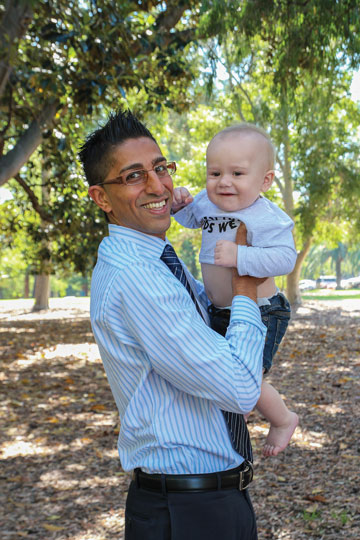
Dr Rishi Kotecha knows too well the devastation of a leukaemia diagnosis in a child, treating children as a consultant at Princess Margaret Hospital.