
Search
Vaccination of young teenage females against human papillomavirus (HPV) with a newly licenced quadrivalent vaccine designed to prevent cervical cancer and...

Senior Research Officer from The Kids Research Institute Australia’s Human Development and Community Wellbeing team, Robyn Johnston, says now is actually a good time to start talking to them about alcohol - before they transition to the teenage years.
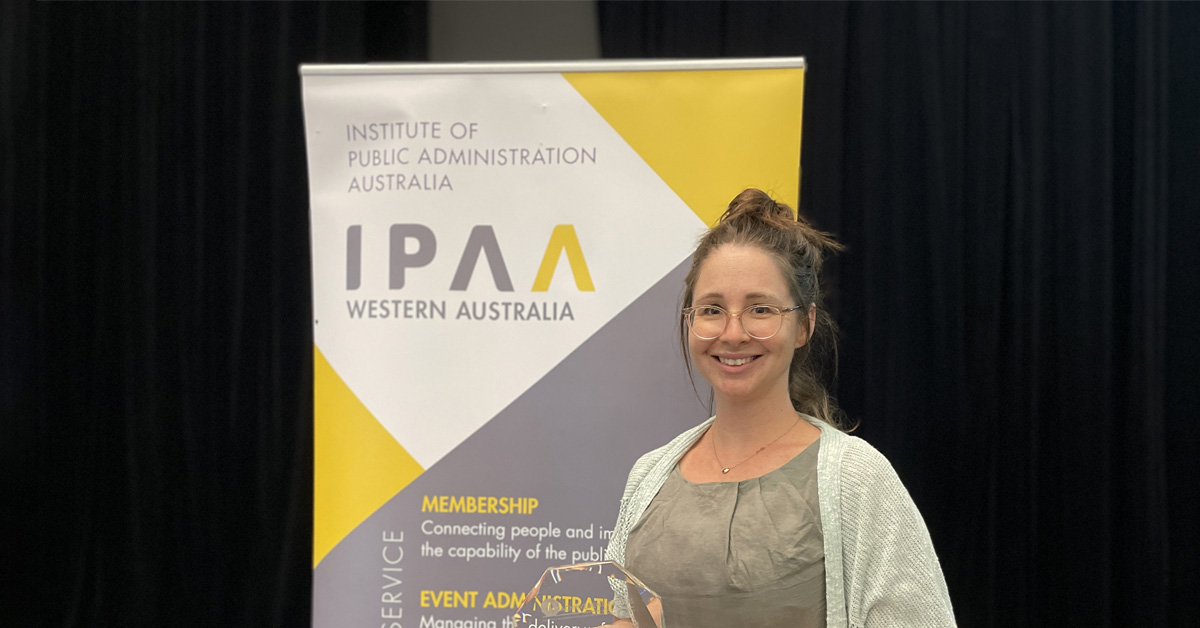
The Kids Research Institute Australia researchers who worked with young people to develop an app designed to help teenagers stay safe in the sun have been named joint winners of a new award for ‘Best Practice in Children’s Consultation’.
Effective social skills are essential for functional social support, help-seeking, and resource access. Digital social skills training plays a key role in empowering individuals to develop social competence, improve access to various support and resources, and enhance locus of control through dynamic media.
Many young people are exposed to risk factors that increase their risk of mental illness. Physical activity provision is an increasingly popular approach to protect against mental illness in the face of these risk factors. We examined the effectiveness of physical activity interventions for the promotion of mental health outcomes in at-risk children and adolescents.
Promoting wellbeing for youth is a global health priority and young people with chronic conditions demonstrate disproportionately low wellbeing compared to their peers. However, wellbeing is variably defined, and little is understood as to what wellbeing means for this population. The aim of this study was to develop a conceptualisation of wellbeing that is rooted in the perspectives of young people with chronic conditions.
Yael Perry BPsych (Hons) MPsych (Clin) PhD Head, Youth Mental Health 08 6319 1298 yael.perry@thekids.org.au Head, Youth Mental Health @yaelperry she/
Minority stress models and trauma-focused approaches have predominated our understanding and responses to health disparities among sexually and gender diverse (SGD) young people for more than 30 years. While the impacts and root causes of adversities are undoubtedly critical for promoting SGD health and well-being, it is important to highlight strengths-based narratives of the lives of SGD youth.
To estimate the prevalence, distribution, and co-occurrence of mental ill-health and substance use among gender and sexuality diverse young people relative to their cisgender and heterosexual peers in Australia using population-level, nationally representative data.
Pete Azzopardi PhD, FRACP, MEpi, MBBS, GDipBiostats, BMedSci Head, Adolescent Health and Wellbeing Head, Adolescent Health and Wellbeing Professor