
Search
Siblings of children with disabilities: challenges and opportunities
Physical and mental health in mothers of children with Down syndrome.
This study uses data from a large international database, InterRett, to examine genotype-phenotype relationships and compares these with previous findings in...
Feeding difficulties in Rett syndrome are complex and multifactorial. In this study, we describe the feeding experiences in Rett syndrome and examine the...
Rett syndrome (RTT) is an X-linked dominant neurodevelopmental disorder that is usually associated with mutations in the MECP2 gene.
Information on presence and age at onset of seizures, perinatal and developmental history, and genetic status was abstracted on 275 cases in the Australian...
Scoliosis is a common clinical manifestation of Rett syndrome, a neurodevelopmental disorder that almost exclusively affects girls.
To examine the prevalence, cumulative incidence, and survival in an Australian cohort with Rett syndrome (RTT).
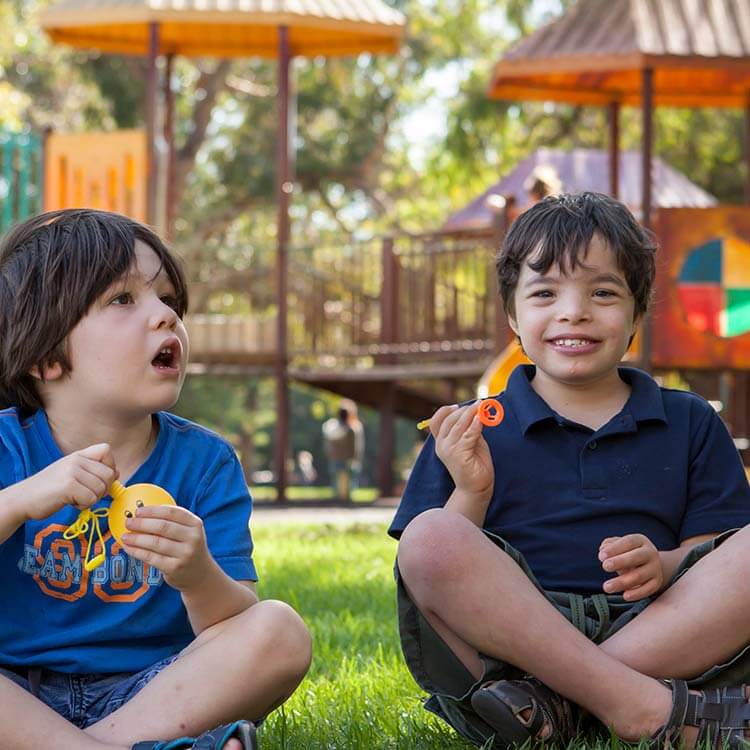
Improving the lives of children with a disability and their families sits at the core of our team.
Since colonisation in Australia, dominant western narratives have continually undermined the identity of Aboriginal and Torres Strait Islander peoples. Through a lens of subaltern theory, this article explores how Aboriginal children, their families, and their communities are spoken for and about as members of subaltern communities by non-Indigenous foster carers.