Skip to content

Search

Exploring the evidence on housing and health among Indigenous peoples in high-income countries: A scoping review protocol

The objective of this scoping review is to understand the nature of the published evidence on housing suitability, affordability, insecurity, and homelessness in relation to physical and mental health, domestic violence, and health service use among Indigenous people in high-income countries.

Berrembi Jarragboo-Boorroo Wajawoorroo Men'Gawoom Gijam (Gija Healthy Skin Story): Two-Way Learning for Healthy Skin

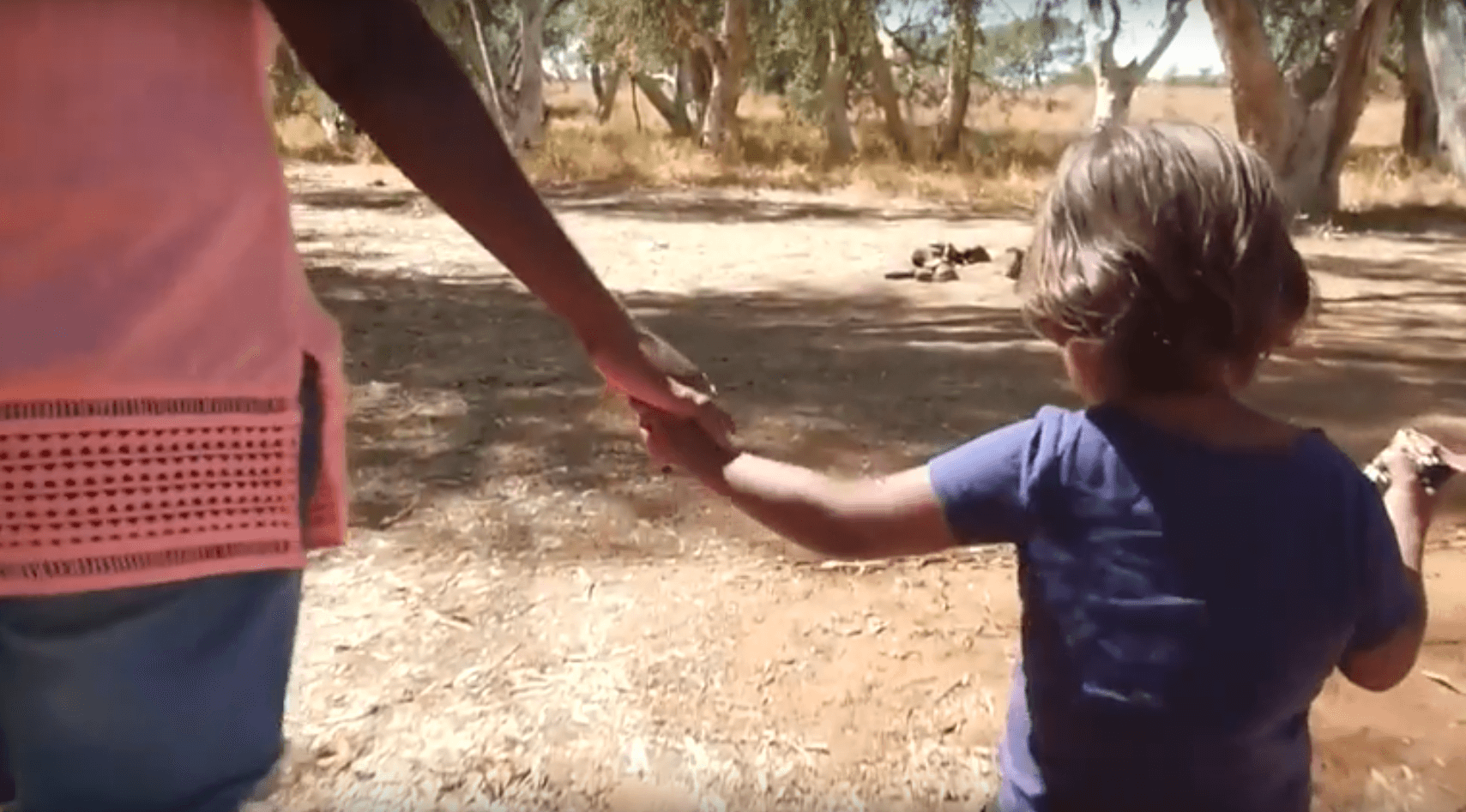
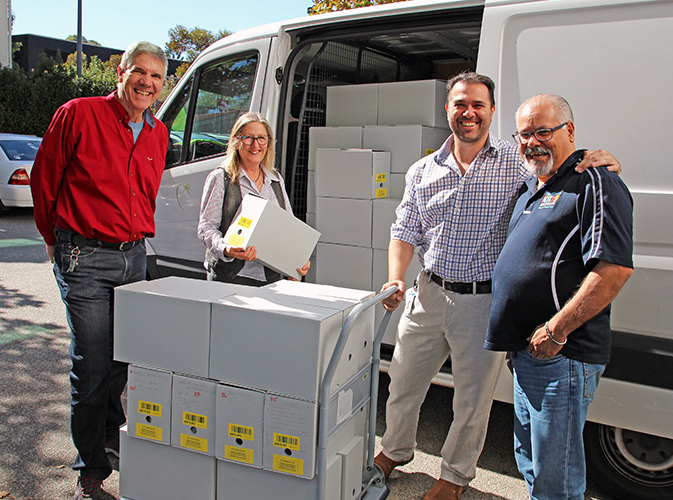
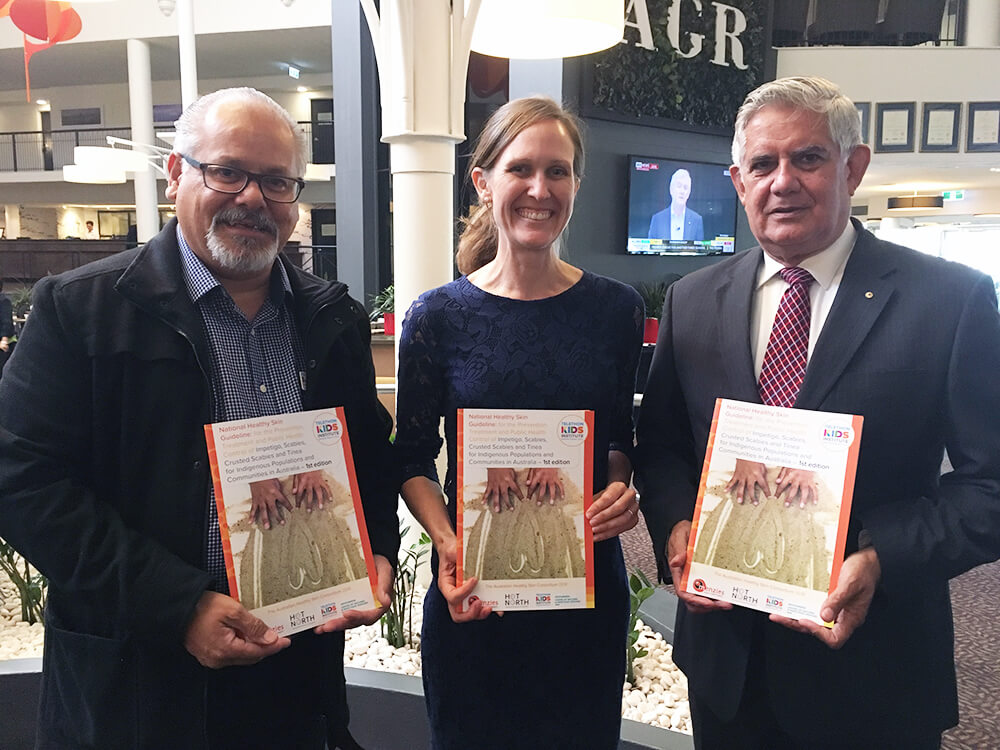
Remote-living Aboriginal children in Australia contend with higher rates of skin infections than non-Indigenous children. This work was embedded within a stepped-wedge, cluster randomised controlled trial aiming to halve the rate of skin infections in remote Kimberley communities. It outlines and reflects upon the co-development of a health promotion resource in partnership with the East Kimberley community of Warmun, whilst understanding community perceptions of its impact.

The impact of genetics and the environment on cancer risk in Indigenous Australians: a narrative review

Aboriginal and Torres Strait Islander (hereafter respectfully named Indigenous) Australians are diagnosed with some cancers substantially more frequently than non-Indigenous Australians implying a different risk factor landscape. Additionally, poorer outcomes for certain cancers are exacerbated by lower cancer screening rates and later diagnoses compared to non-Indigenous Australians.

Vitamin D content of wild-caught traditional foods collected on Nyoongar Country in Western Australia

Low vitamin D status and intake are prevalent among the Australian population, including Aboriginal and Torres Strait Islander peoples. We hypothesised that some traditional foods could contain vitamin D, and measured vitamin D in foods from Nyoongar Country, Western Australia. Samples of kangaroo, emu, squid/calamari and lobster/crayfish were collected and prepared by Aboriginal people using traditional and contemporary methods.

Current gaps in knowledge and future research directions for Aboriginal and Torres Strait Islander children with cancer

Paediatric cancer is the leading cause of disease-related death in Australian children. Limited research focuses on cancer in Aboriginal and Torres Strait Islander children. Although there appears to be a lower incidence of cancer overall in Aboriginal and Torres Strait Islander children compared with non-Indigenous children, a high proportion of Aboriginal and Torres Strait Islander children are diagnosed with acute myeloid leukaemia.

Cardiometabolic Biomarkers and Prediction of Kidney Disease Progression: The eGFR Cohort Study

Traditional markers modestly predict chronic kidney disease progression in Aboriginal and Torres Strait Islander people. Therefore, we assessed associations of cardiometabolic and inflammatory clinical biomarkers with kidney disease progression among Aboriginal and Torres Strait Islander people with and without diabetes.

Indigenous infants in remote Australia retain an ancestral gut microbiome despite encroaching Westernization

Studies of traditional Indigenous compared to 'Western' gut microbiomes are underrepresented, and lacking in young children, limiting knowledge of early-life microbiomes in different cultural contexts. Here we analyze the gut metagenomes of 50 Indigenous Australian infants (median age <one year) living remotely with variable access to Western foods, compared to age- and sex-matched non-Indigenous infants living in urban Australia.

Prevalence of type 2 diabetes among global Indigenous adult populations: a systematic review

Despite evidence documenting high prevalence of type 2 diabetes among several Indigenous populations, a comprehensive systematic review of type 2 diabetes among global Indigenous Peoples has not been recently conducted. Our aim was to report region-, time-, age- and sex-specific type 2 diabetes prevalence among Indigenous adult populations globally.

Islet autoimmunity in young First Nations women with prediabetes and type 2 diabetes

Type 1 diabetes in First Nations peoples is low yet type 2 diabetes is at epidemic proportions. This study aimed to determine the prevalence of islet autoimmunity in First Nations women with dysglycaemia and its association with clinical features.