
Search
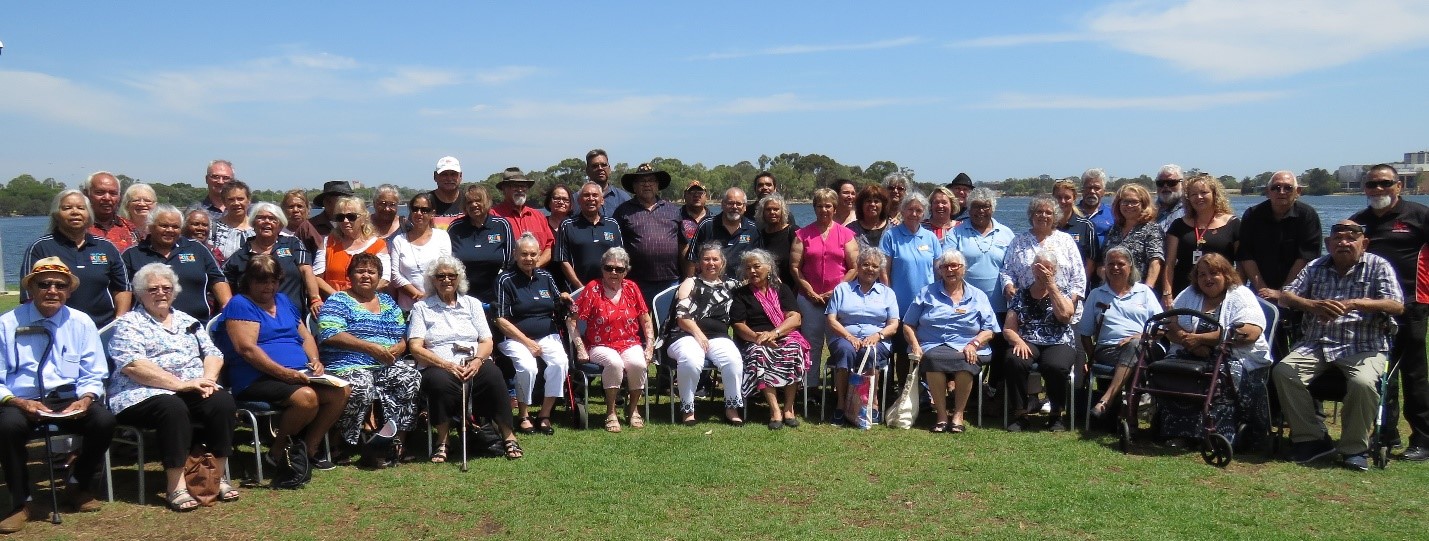
The third Big Elders meeting/gathering was held on the 26th of February 2019 at Burswood on Swan.
Globally, acute respiratory infections (ARIs) are a leading cause of childhood morbidity and mortality. While ARI-related mortality is low in Australia, First Nations infants are hospitalised with ARIs up to nine times more often than their non-First Nations counterparts.
Fetal alcohol spectrum disorder (FASD) is a lifelong disability of varying severity that occurs among individuals prenatally exposed to alcohol. Among Aboriginal and Torres Strait Islander (Indigenous) Australians, the effects of colonisation and ongoing racism could increase the risk of alcohol consumption during pregnancy.
Between 1964 and 1996, the 10-year survival of patients having valve replacement surgery for rheumatic heart disease (RHD) in the Northern Territory, Australia, was 68%. As medical care has evolved since then, this study aimed to determine whether there has been a corresponding improvement in survival.
The research protocol described aims to examine and establish the health outcomes of children and young people living in Out-of-Home Care (OOHC) in Perth, Western Australia from the perspective of the care recipients and service providers. A Study Advisory Panel will be established comprised of Aboriginal Elders (because of the over-representation of Aboriginal children in OOHC), health professionals and other relevant stakeholders to help co-design all phases of the study.
While there are many skin infections, reducing the burden of scabies and impetigo for remote living Aboriginal people, particularly children remains challenging. Aboriginal children living in remote communities have experienced the highest reported rate of impetigo in the world and are 15 times more likely to be admitted to hospital with a skin infection compared to non-Aboriginal children.
Cardiovascular disease (CVD) is the leading cause of death in women around the world. Aboriginal and Torres Strait Islander women (Australian Indigenous women) have a high burden of CVD, occurring on average 10-20 years earlier than non-Indigenous women.
Substance use disorders (SUDs) cause significant harm to regional Australians, who are more likely to misuse alcohol and other drugs (AODs) and encounter difficulty in accessing treatment services. The primary aims of this study were to describe the demographics of patients aeromedically retrieved from regional locations and compare hospital outcomes with a metropolitan-based cohort.
To generate contemporary age-specific mortality rates for Indigenous and non-Indigenous Australians aged <65 years who died from rheumatic heart disease between 2013 and 2017, and to ascertain the underlying causes of death of a prevalent RHD cohort aged <65 years who died during the same period.
In Australia, Aboriginal children experience disproportionate rates of type 2 diabetes (T2D) compared with non-Aboriginal children. The aim of this qualitative study was to explore the experiences of Aboriginal adolescents with T2D and their family members to better understand the influences of T2D on self-management, with findings used to inform an enhanced service model of care.