
Search
In this review, we will highlight infants' immune responses to food, emphasizing the unique aspects of early-life immunity and the critical role of breast milk as a food dedicated to infants. Infants are susceptible to inflammatory responses rather than immune tolerance at the mucosal and skin barriers, necessitating strategies to promote oral tolerance that consider this susceptibility.
Few studies have examined long-term outcomes following oral immunotherapy; none have examined long-term risks and benefits associated with distinct clinical outcomes (desensitization, remission).
Food allergy is a major public health challenge in Australia. Despite widespread uptake of infant feeding and allergy prevention guidelines the incidence of peanut allergy in infants has not fallen, and prevalence of peanut allergy in school-aged children continues to rise. Therefore, effective and accessible treatments for peanut allergy are required.
Nutrition is a modifiable lifestyle factor that may play a role in allergic disease prevention. This article summarizes current evidence on the antenatal diet as a consideration for strategies to prevent child food allergy. As eczema in early infancy substantially increases the risk of food allergy development, the effects of maternal dietary intakes during pregnancy on infant eczema outcomes will also be discussed.
The incidence of anaphylaxis is increasing globally in tandem with changing environmental and lifestyle factors. There is very limited data on very early childhood presentations. We aim to assess changes in rates, characteristics and management of infant anaphylaxis in a paediatric ED over a 15-year period.

As we count down to the end of the long summer holidays, it’s natural for children to feel anxious about what the new school year will bring.
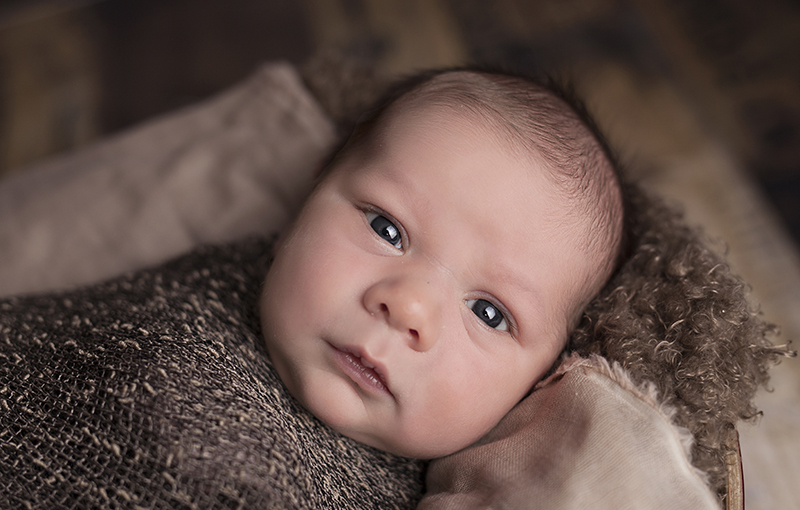
Up to three out of every 100 babies develop cow's milk protein allergy (CMPA) in their first year of life – and this number appears to be on the rise
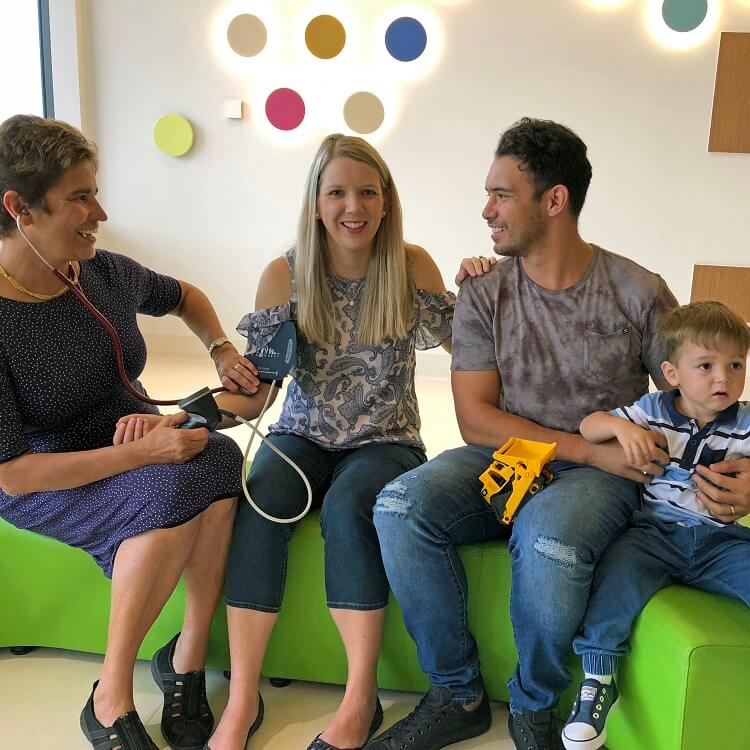
ORIGINS, a collaboration between The Kids and the Joondalup Health Campus, has achieved a major milestone – recruiting its 1000th family.
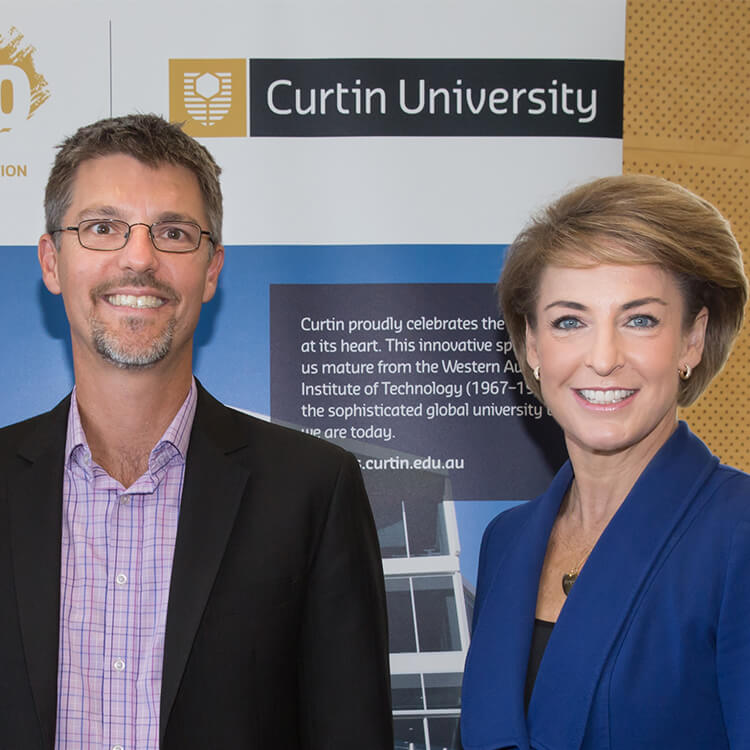
The Kids Research Institute Australia researchers have been awarded more than $8 million in prestigious project grants from the NHMRC.

Eight The Kids Research Institute Australia researchers are among those who have received grant funding from the Telethon-Perth Children’s Hospital Research Fund (TPCHRF).