
Search
Young people (aged 12-25 years) with diverse sexuality, gender, or bodily characteristics, such as those who identify as lesbian, gay, bisexual, transgender, intersex, or queer (LGBTIQ+), are at substantially greater risk of a range of mental, physical, and sexual health difficulties compared with their peers. Digital health interventions have been identified as a potential way to reduce these health disparities.
A significant proportion of trans and gender diverse (TGD) young people report membership of the gaming community and resultant benefits to wellbeing. To date their experiences and needs regarding a key feature of games, the avatar, are largely unexplored, despite increasing interest in the therapeutic role of avatars in the general population. The aim of this study was to better understand the role of the avatar in gaming, its impact on TGD young people's mental health, and their unique needs regarding avatar design.
Trans and gender diverse young people experience mental health difficulties self-harm and suicidality at markedly higher rates than the general population, yet they often feel isolated from mental health services. There is little qualitative research on the experiences of trans and gender diverse young people accessing mental health support in Australia.
Lesbian, gay, bisexual and transgender parents are often reluctant to disclose their sexual orientation to health professionals for fear of discrimination...
The aim of this study was to explore the experiences of lesbian, gay and transgender families accessing health care for their children.
The aim was to assess health professionals' knowledge, attitudes and beliefs regarding lesbian, gay, bisexual and transgender parents accessing healthcare.
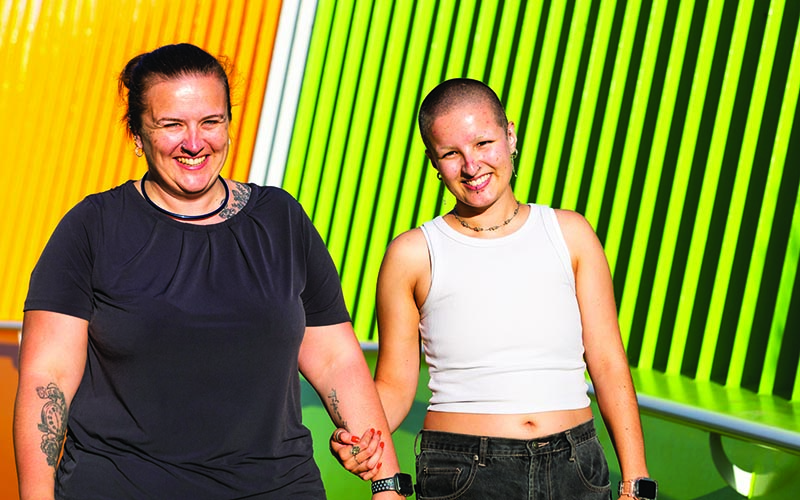
A new website for parents of trans children and young people across Australia is expected to improve family wellbeing and ultimately save lives after launching in May 2023.
Not all children or teenagers identify with the gender they were assigned at birth. As a result, some may choose to change their name, their clothes or their body. With considerably higher rates of depression, anxiety, self-harm and attempted suicide, the need for specialist mental health services has been recognised.
Conversion practices (sometimes referred to as 'conversion therapy') refer to interventions that aim to change a person's sexual orientation or gender identity. While these are often associated with faith-based settings, they can also occur in secular healthcare contexts. The practices are associated with significant psychological harm.
This study aimed to examine the difference in levels of psychological wellbeing outcomes of binary and non-binary transgender and cisgender students aged 8–18 years in South Australia using population-level data.